

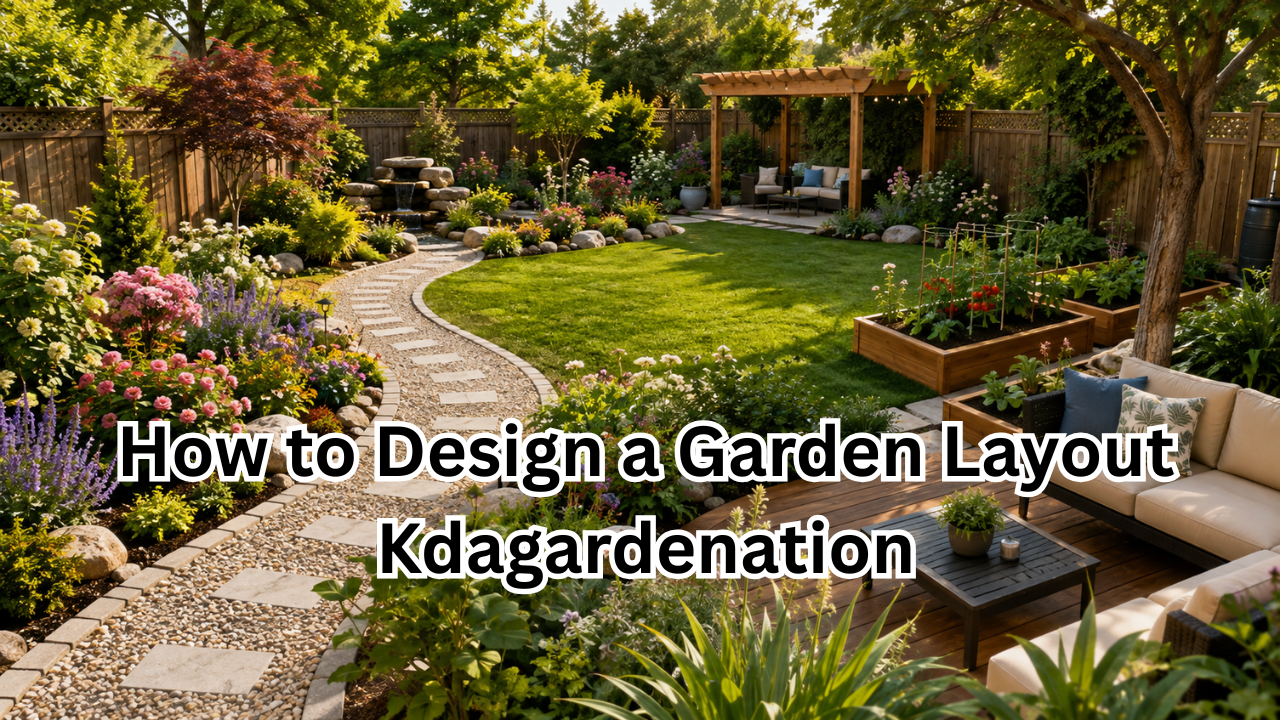
Creating a beautiful garden doesn’t happen by chance. It starts with a well-planned layout that balances beauty, functionality, and sustainability. If you’ve been searching for how to design a garden layout kdagardenation, you’re likely looking for a practical approach that transforms an ordinary outdoor space into a thriving garden.
Whether you have a compact backyard, a spacious landscape, or a small front yard, the right garden layout can maximize every square foot while making maintenance easier. This guide walks you through the complete planning process—from assessing your space to choosing plants, designing pathways, and maintaining your finished garden.
By the end of this article, you’ll have a clear roadmap to create a garden that looks stunning throughout the year.
Why Garden Layout Planning Matters
Many homeowners jump straight into buying plants without creating a layout first. While enthusiasm is great, skipping the planning stage often leads to overcrowding, poor plant health, and expensive redesigns later.
A thoughtful garden layout helps you:
- Maximize available space
- Improve plant growth through proper placement
- Create attractive focal points
- Simplify watering and maintenance
- Increase property value
- Make the garden enjoyable in every season
Planning first saves both time and money while producing much better long-term results.
Step 1: Evaluate Your Garden Space
Before drawing any plans, spend time understanding your outdoor area.
Look for:
- Overall size and shape
- Sunlight throughout the day
- Shade from buildings or trees
- Existing plants
- Drainage conditions
- Soil quality
- Slopes or uneven areas
Take measurements and sketch a rough outline of your yard. Even a simple hand-drawn map works perfectly.

Step 2: Define the Purpose of Your Garden
Every successful garden has a purpose.
Ask yourself what you want your outdoor space to achieve.
Common goals include:
- Relaxation
- Vegetable gardening
- Flower displays
- Wildlife attraction
- Outdoor entertaining
- Children’s play area
- Low-maintenance landscaping
Your objectives will influence every design decision moving forward.
Step 3: Divide Your Garden into Functional Zones
Professional landscape designers rarely treat a garden as one large area.
Instead, they divide it into smaller sections.
Examples include:
| Garden Zone | Primary Purpose | Suggested Features |
|---|---|---|
| Entrance Area | First impression | Decorative flowers, pathway |
| Seating Space | Relaxation | Bench, pergola, shade plants |
| Vegetable Garden | Food production | Raised beds, irrigation |
| Flower Beds | Seasonal color | Perennials and annuals |
| Lawn Area | Open activity space | Grass or ground cover |
| Wildlife Corner | Support pollinators | Native flowers, bird bath |
Breaking your garden into zones makes planning much easier.
Step 4: Consider Sunlight and Shade
One of the biggest mistakes beginners make is ignoring sunlight requirements.
Observe your garden during:
- Early morning
- Midday
- Afternoon
- Evening
Some plants thrive in full sun, while others prefer partial shade.
Full Sun Plants
- Lavender
- Roses
- Tomatoes
- Marigolds
- Sunflowers
Partial Shade Plants
- Hydrangeas
- Hostas
- Ferns
- Begonias
Placing plants according to their lighting needs greatly improves growth and flowering.
Step 5: Plan Your Pathways
Pathways do much more than connect areas.
They also guide visitors through your garden and create visual flow.
Popular pathway materials include:
- Gravel
- Brick
- Natural stone
- Concrete pavers
- Wood chips
Aim for paths that are wide enough for comfortable walking while fitting naturally into the landscape.
Curved paths often create a softer, more natural appearance than perfectly straight ones.
Step 6: Create a Strong Focal Point
Every attractive garden has something that catches the eye.
Possible focal points include:
- Water fountains
- Decorative trees
- Garden sculptures
- Flower arches
- Pergolas
- Outdoor seating
- Raised planters
Avoid placing too many focal points in one area, as this can make the garden feel cluttered.
Step 7: Choose Plants Wisely
Selecting the right plants is one of the most important parts of learning how to design a garden layout kdagardenation.
Instead of choosing plants based only on appearance, consider:
- Climate compatibility
- Mature size
- Water needs
- Bloom season
- Maintenance level
- Pest resistance
Mix different plant types for year-round interest.
Consider combining:
- Trees
- Shrubs
- Perennials
- Annual flowers
- Ornamental grasses
- Ground covers
Layering plants by height creates depth and makes the garden look professionally designed.
Step 8: Think About Color Harmony
Color has a major impact on the mood of your garden.
Popular combinations include:
Warm Colors
- Red
- Orange
- Yellow
These create energy and excitement.
Cool Colors
- Blue
- Purple
- White
These produce a peaceful atmosphere.
Many gardeners use repeating color patterns throughout the landscape to create unity.
Step 9: Include Vertical Elements
Not every feature needs to stay at ground level.
Vertical gardening adds height while saving space.
Examples include:
- Trellises
- Climbing roses
- Clematis
- Vertical planters
- Hanging baskets
- Garden arches
Vertical elements are especially valuable in small gardens.
Step 10: Leave Room for Growth
New gardeners often plant everything too closely together.
Remember that plants continue growing for years.
Always check:
- Mature height
- Mature width
- Root spread
Giving plants enough space improves airflow, reduces disease, and minimizes future transplanting.
Incorporate Sustainable Gardening Practices
Modern garden design focuses on sustainability as well as beauty.
Consider adding:
- Rainwater collection systems
- Compost bins
- Native plants
- Drip irrigation
- Mulch for moisture retention
- Pollinator-friendly flowers
These choices reduce maintenance while benefiting the environment.
Common Garden Layout Mistakes to Avoid
Even experienced gardeners occasionally make design errors.
Avoid these common mistakes:
- Planting without a plan
- Ignoring sunlight patterns
- Choosing invasive species
- Overcrowding flower beds
- Forgetting maintenance access
- Using too many plant varieties
- Neglecting drainage issues
- Creating narrow pathways
A simple, organized layout often performs better than an overly complicated design.
Sample Garden Layout Plan
Here’s an example of a balanced backyard layout.
- Decorative flower border along the fence
- Curved gravel pathway
- Central lawn area
- Raised vegetable beds in the sunny corner
- Small seating patio
- Bird bath near flowering plants
- Shade-loving plants beneath mature trees
- Compost area hidden behind shrubs
This arrangement offers beauty, functionality, and easy maintenance.
Maintenance Tips After Completing Your Garden Layout
Good design is only the beginning.
Maintain your garden by:
- Watering consistently
- Pruning regularly
- Removing weeds
- Refreshing mulch annually
- Fertilizing when necessary
- Monitoring pests
- Replacing seasonal flowers
Routine care keeps the original design looking attractive for years.

Benefits of a Well-Planned Garden Layout
Investing time in proper planning delivers long-term rewards.
Benefits include:
- Healthier plants
- Better organization
- Increased curb appeal
- Easier maintenance
- Higher property value
- Improved outdoor living space
- Enhanced biodiversity
- More enjoyable gardening experience
Even small improvements in layout can dramatically change the appearance of your garden.
Frequently Asked Questions (FAQs)
What is the first step in designing a garden layout?
The first step is assessing your available space. Measure the area, observe sunlight patterns, evaluate soil quality, and identify existing features before making any design decisions.
How do I choose the right plants for my garden?
Choose plants based on your local climate, available sunlight, soil conditions, watering requirements, and mature size. Selecting suitable plants reduces maintenance and improves long-term success.
Can I design a beautiful garden in a small yard?
Absolutely. Small gardens often benefit from vertical gardening, raised beds, compact shrubs, multi-purpose spaces, and carefully planned pathways that maximize every inch of available space.
How often should I update my garden layout?
Most gardens only need major redesigns every few years. However, seasonal adjustments, replacing plants, and adding new features can keep the landscape fresh without requiring a complete overhaul.
Why is zoning important in garden design?
Dividing a garden into functional zones helps organize activities, improves traffic flow, simplifies maintenance, and creates a more visually balanced outdoor space.
Final Thoughts
Learning how to design a garden layout kdagardenation is about more than arranging plants—it’s about creating an outdoor environment that reflects your lifestyle while supporting healthy plant growth. A successful garden begins with careful planning, thoughtful plant selection, and a layout that balances beauty with practicality.
Start by evaluating your space, defining your goals, and dividing the area into functional zones. Add well-placed pathways, choose plants suited to your local conditions, and incorporate sustainable practices wherever possible. With patience and consistent care, your garden can evolve into a welcoming, vibrant space that brings enjoyment throughout the year.
Rather than rushing the process, take the time to plan each element. A well-designed garden not only looks impressive but also becomes easier to maintain, more environmentally friendly, and far more rewarding in the long run.
Also Read: 250+ Raccoon Names: Cute, Funny, Cool, and Unique Ideas for Your Clever Companion










Leave a Reply