

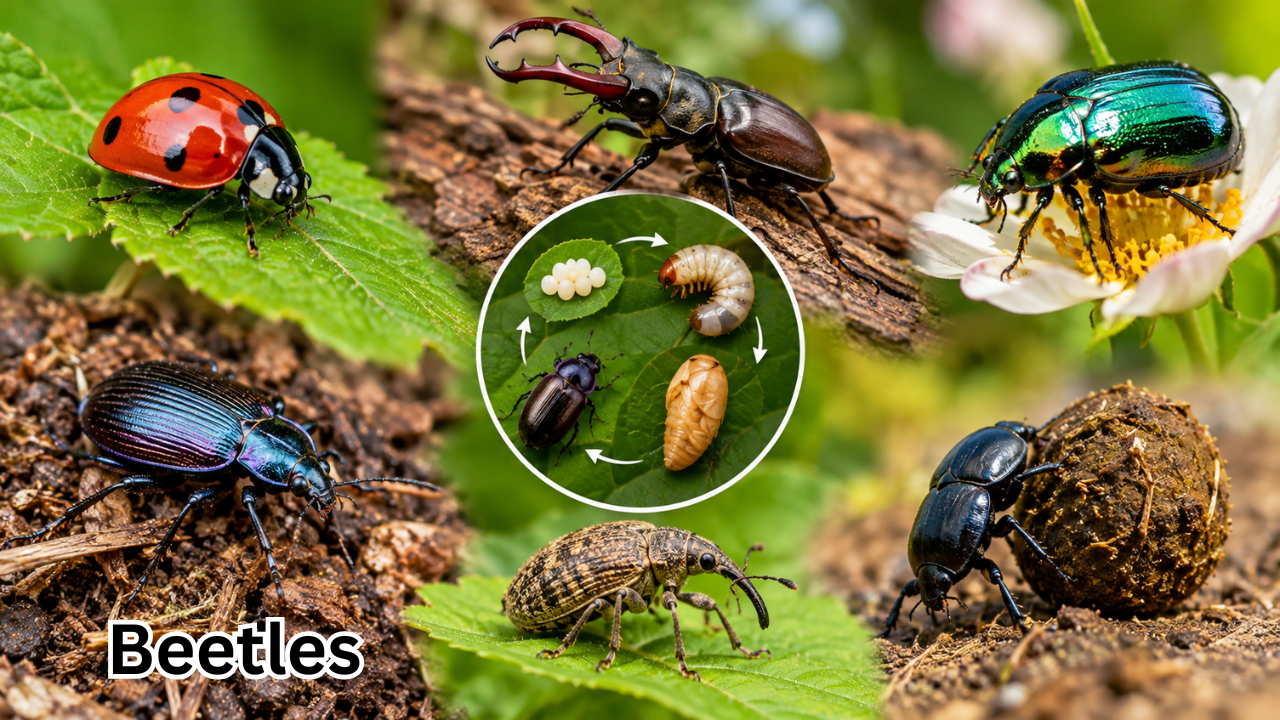
Beetles are among the most fascinating and diverse insects on Earth. They can be found in forests, gardens, grasslands, deserts, freshwater environments, and even inside homes. Some beetles are known for their bright colors and shiny shells, while others are recognized for their ability to break down dead wood, pollinate plants, or protect crops from harmful insects. Although many people think of beetles as ordinary bugs, these small creatures play important roles in ecosystems around the world.
The word beetles refers to insects belonging to the order Coleoptera, which is the largest order of insects. Scientists have described hundreds of thousands of beetle species, and many more may still be waiting to be discovered. Their impressive diversity means that beetles vary greatly in size, color, behavior, habitat, and diet.
Whether you have spotted a ladybug on a leaf, a scarab beetle in the garden, or a small black beetle near your window, understanding these insects can help you appreciate their place in nature. This guide explores the main types of beetles, their life cycle, what they eat, where they live, and why they matter.
What Are Beetles?
Beetles are insects characterized by their hard outer wing covers, known as elytra. These protective covers shield the delicate flying wings and much of the beetle’s back. When a beetle takes flight, the elytra usually open to allow its flight wings to move.
Like other insects, beetles have three main body sections: the head, thorax, and abdomen. They also have six legs, a pair of antennae, and an exoskeleton that provides support and protection.
Not every beetle can fly. Some species have reduced flight wings, while others rarely fly because they spend most of their lives in soil, leaf litter, or underground spaces.
Beetles come in an extraordinary range of appearances. Some are less than a millimeter long, while certain tropical species can grow several inches in length. Their colors include black, brown, green, red, yellow, metallic blue, and combinations of several shades.
Common Types of Beetles
There are thousands of beetle families, each containing species with different characteristics and habits. The following groups are among the best-known examples.
| Type of beetle | Common characteristics | Typical habitat or role |
|---|---|---|
| Lady beetles | Often rounded and brightly colored | Gardens and agricultural fields |
| Ground beetles | Usually dark, fast-moving, and active on the ground | Soil, leaf litter, and gardens |
| Scarab beetles | Strong bodies and distinctive antennae | Soil, dung, flowers, and decaying material |
| Stag beetles | Males of many species have large, antler-like jaws | Woodlands and areas with decaying wood |
| Weevils | Recognizable by their elongated snouts | Plants, stored grains, and other food sources |
| Dung beetles | Specialized in handling animal dung | Grasslands, forests, and farmland |
| Fireflies | Beetles in the family Lampyridae; many species produce light | Moist habitats, grasslands, and woodland edges |
| Carpet beetles | Small beetles whose larvae feed on various natural materials | Homes, storage areas, and outdoor environments |
Lady Beetles
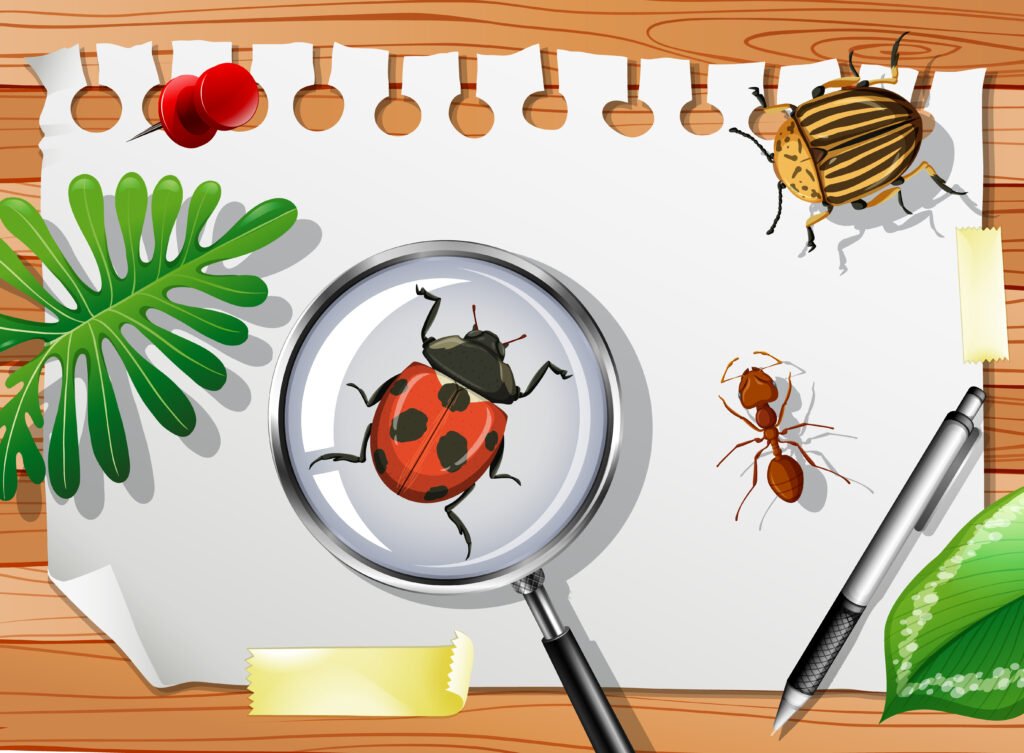
Lady beetles, commonly called ladybugs or ladybirds, are familiar garden insects. Many species feed on aphids and other small plant-feeding insects, making them beneficial for natural pest control.
Their colors and patterns vary by species. Although red shells with black spots are well known, some lady beetles are yellow, orange, black, or patterned differently.
Ground Beetles
Ground beetles are often found beneath stones, fallen leaves, logs, and garden debris. Many are active predators that feed on caterpillars, slugs, insect eggs, and other small animals.
They can be useful in gardens because they help limit populations of certain pests. Most are harmless to people and prefer to escape when disturbed.
Scarab Beetles
Scarab beetles include rhinoceros beetles, many dung beetles, and other recognizable insects. Some species have horns or thick, powerful bodies, while others are smaller and less noticeable.
Different scarab species feed on different materials. Some consume decaying organic matter, some visit flowers, and others feed on roots or plant tissues.
Stag Beetles
Stag beetles are famous for the large jaws found on males of many species. These jaws resemble the antlers of a deer and are often used in contests with other males.
Their larvae commonly develop in decaying wood, where they feed for an extended period before becoming adults. Because they depend on suitable deadwood habitats, they can be affected by the removal of old trees and fallen logs.
Weevils
Weevils are a large group of beetles, many of which have a noticeable snout. Some species feed on garden plants, while others attack stored grains, nuts, seeds, or other agricultural products.
Not all weevils are harmful. Their impact depends on the species and the plants or materials they use as food.
Where Do Beetles Live?
Beetles inhabit nearly every major terrestrial environment and occur in many freshwater habitats. Their ability to occupy different ecological niches has contributed to their remarkable diversity.
Common beetle habitats include:
- Forests and woodlands: Beetles live under bark, inside decaying logs, among leaves, and in the soil.
- Gardens and farms: Many species feed on plants, hunt other insects, or live around roots.
- Grasslands: Dung beetles, ground beetles, and plant-feeding species find food and shelter in open landscapes.
- Deserts: Certain beetles have adaptations that help them conserve water and survive high temperatures.
- Freshwater environments: Aquatic beetles live in ponds, streams, and other suitable bodies of water.
- Homes and storage areas: Some species enter buildings accidentally, while others develop indoors where food or suitable materials are available.
The habitat of a beetle often determines what it eats, when it becomes active, and how it reproduces. For example, a beetle living beneath tree bark may feed on wood-boring insects or fungi, while a species found in a vegetable garden may feed on leaves or prey on smaller animals.
Beetles may enter homes through open doors, windows, cracks, or items brought indoors. Finding a beetle inside does not automatically mean that a home has an infestation.
What Do Beetles Eat?
Beetles have an incredibly varied diet. Some eat plants, some hunt other insects, and others feed on decaying organic material. A beetle’s diet depends largely on its species and life stage.
Common food sources include:
- Leaves, flowers, stems, roots, and plant sap
- Aphids, caterpillars, insect eggs, and other small animals
- Dead wood, fungi, and decomposing plant material
- Animal dung and other organic waste
- Seeds, grains, nuts, and stored food products
- Nectar and pollen from flowers
Some beetles are highly specialized and depend on particular plants or materials. Others are more flexible and consume whatever suitable food is available.
For instance, many lady beetles prey on aphids, while some leaf beetles feed directly on plant foliage. Dung beetles use animal waste as a food source or as material for raising their young. Carrion-feeding beetles help process the remains of dead animals.
This dietary diversity is one reason beetles are so important to natural ecosystems. They participate in food webs as herbivores, predators, decomposers, and prey for birds, reptiles, amphibians, and other animals.
The Life Cycle of Beetles
Most beetles undergo complete metamorphosis, meaning they pass through four distinct stages: egg, larva, pupa, and adult. Each stage has a different appearance and function.
1. Egg
The life cycle begins when a female beetle lays eggs. Depending on the species, she may place them in soil, beneath bark, inside plant tissues, in stored food, or near another suitable food source.
The eggs hatch when environmental conditions are appropriate. Temperature, moisture, and the species itself influence how long this stage lasts.
2. Larva
After hatching, the beetle enters the larval stage. Beetle larvae can look very different from adults. Some resemble small worms, while others have hard bodies, visible legs, or distinctive curved shapes.
This is often the main feeding and growth stage. Larvae consume food, increase in size, and may shed their outer skin several times.
3. Pupa
When the larva has grown sufficiently, it enters the pupal stage. During this period, its body undergoes major changes as it develops into an adult beetle.
Pupation may take place in soil, wood, plant material, or a protected chamber. The length of this stage varies widely among species.
4. Adult
The adult beetle emerges with its characteristic body shape, legs, antennae, and wing covers. Adults may feed, disperse to new habitats, find mates, and reproduce.
The complete life cycle can take only a few weeks in some species or extend over several years in others. Environmental conditions and food availability can influence its duration.
Why Are Beetles Important to the Environment?
Beetles provide many ecological benefits, even though certain species can damage crops, trees, or stored products.
Decomposition and nutrient recycling: Many beetles feed on dead plants, decaying wood, fungi, or animal remains. Their activity helps break down organic matter and return nutrients to the environment.
Natural pest control: Predatory beetles consume insects and other small organisms that may harm plants. Ground beetles and many lady beetles are valuable examples.
Soil improvement: Dung beetles bury and break down animal waste. This can improve nutrient distribution, support soil processes, and reduce the accumulation of dung in suitable habitats.
Pollination: Some beetles visit flowers to feed on pollen, nectar, or floral tissues. While they are not the primary pollinators for every plant they visit, certain plants depend on beetle pollination.
Food for other animals: Beetles and their larvae are food sources for birds, mammals, reptiles, amphibians, fish, and other invertebrates.
Their environmental roles show why beetles should not all be treated as pests. Many species support healthy ecosystems and provide benefits that may go unnoticed.
Are Beetles Harmful to Humans?
Most beetles do not pose a significant threat to people. Many avoid human contact, and most do not bite or sting. However, some species can cause problems in particular circumstances.
Plant-feeding beetles may damage leaves, flowers, roots, or crops. Wood-boring beetles can harm timber or trees, while certain pantry beetles infest stored grains and other food products. Carpet beetle larvae may damage wool, feathers, and other animal-derived materials.
A few species can cause skin irritation or other localized reactions when handled. For this reason, it is best to avoid touching unfamiliar beetles with bare hands.
If beetles appear repeatedly indoors, identifying the species can help determine the best response. A few outdoor beetles entering through a window may require nothing more than removing them and sealing gaps. Repeated sightings near food or damaged materials may indicate a more specific problem.
How to Prevent Beetles in Your Home
Simple preventive measures can reduce the likelihood of unwanted beetles indoors.
- Store grains, cereals, flour, and dry pet food in tightly sealed containers.
- Clean cupboards and pantry shelves regularly, removing crumbs and spilled food.
- Repair damaged window screens and seal gaps around doors and windows.
- Vacuum carpets, closets, and areas where lint, hair, or dead insects accumulate.
- Inspect dried flowers, secondhand furniture, and stored natural-fiber materials when bringing them indoors.
- Remove dead branches and excess decaying plant material from areas where they create unwanted pest habitat near buildings.
If an infestation continues, identify the beetle before choosing an insecticide or other treatment. Different species require different control methods, and unnecessary pesticide use can harm beneficial insects.
Interesting Facts About Beetles
Beetles are full of surprising characteristics that make them interesting to study.
- They are extraordinarily diverse. Beetles represent the largest insect order, with hundreds of thousands of described species.
- Their wing covers provide protection. The hardened elytra protect the more delicate wings and upper body.
- Not all beetles fly. Some rarely fly, and others have reduced or nonfunctional flight wings.
- Their diets are remarkably varied. Beetles may eat plants, fungi, other insects, dung, carrion, or stored food.
- Some beetles produce light. Fireflies are beetles that use bioluminescence for communication and, in many species, mate attraction.
- Their sizes vary greatly. Some beetles are almost microscopic, while others are several inches long.
- Many beetles use camouflage. Their colors and patterns can help them blend into bark, soil, leaves, or flowers.
- Some species are highly specialized. Certain beetles depend on particular host plants, decaying wood types, or other specific resources.
Studying these insects reveals how evolution has produced different ways of feeding, moving, surviving, and reproducing in a wide variety of environments.
How to Identify a Beetle
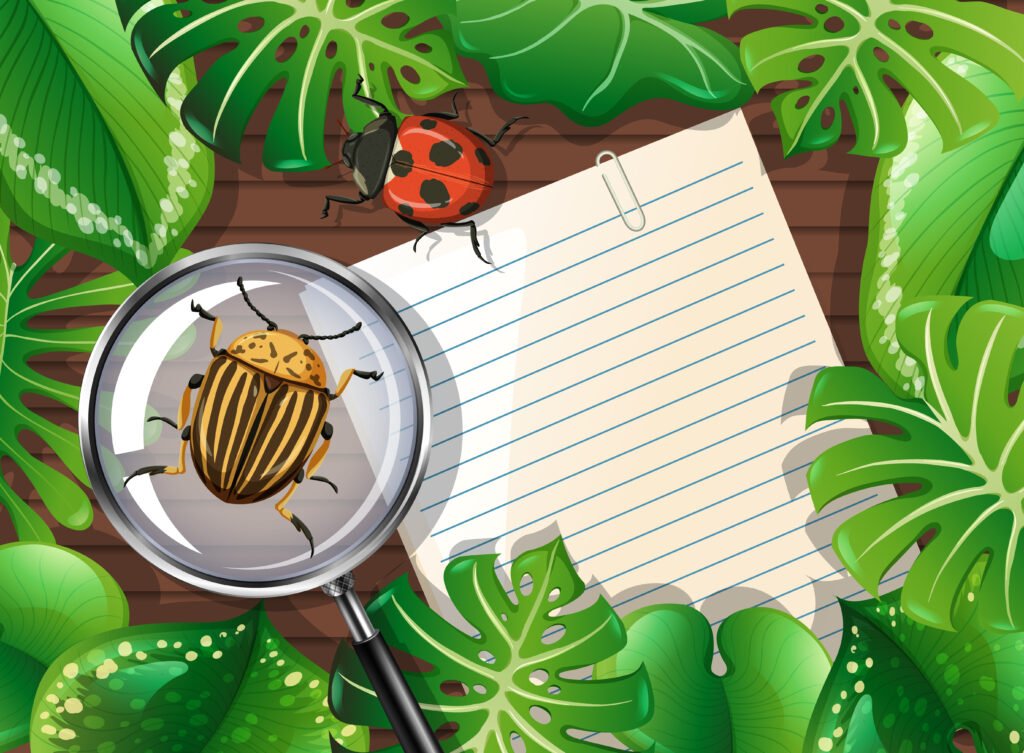
Identifying a beetle can be easier when you observe a few basic characteristics. Although appearance alone may not always be enough to determine the exact species, it can help narrow down the possibilities.
Pay attention to the following features:
- Size and shape: Note whether the beetle is round, elongated, flattened, or unusually large.
- Color and markings: Look for spots, stripes, metallic coloring, or a uniform dark surface.
- Antennae: Antennae may be threadlike, club-shaped, saw-toothed, or fan-shaped.
- Location: Record whether the beetle appeared on a plant, beneath a log, near a window, or inside stored food.
- Behavior: Observe whether it flies, runs quickly, feeds on leaves, or remains hidden.
- Visible damage: If the beetle is associated with a plant or household material, check for feeding marks or other signs of damage.
A clear photograph can help with identification. Capture the insect from above and, if possible, from the side without handling it unnecessarily. Comparing its features with a reliable insect identification guide or consulting a local entomologist can provide a more accurate result.
Remember that two beetle species can look similar but have very different diets and ecological roles. Correct identification is especially useful when deciding whether an insect needs to be controlled.
Frequently Asked Questions About Beetles
1. What are beetles?
Beetles are insects belonging to the order Coleoptera. They are distinguished by hardened forewings called elytra, which protect their bodies and delicate flight wings. Beetles occur in a wide range of habitats and include species with many different sizes, colors, and diets.
2. What do beetles eat?
Beetles eat many types of food, depending on their species. Some consume leaves, roots, seeds, or flowers, while others hunt small insects. Many feed on fungi, decaying wood, dung, carrion, or stored grains.
3. Are beetles dangerous to humans?
Most beetles are harmless to people and prefer to avoid contact. However, certain species can damage crops, stored food, wood, or natural-fiber materials. A small number may cause irritation when handled, so unfamiliar beetles should be observed rather than touched.
4. How long do beetles live?
Beetle lifespans vary considerably. Some species complete their life cycles within weeks or months, while others may take several years to develop. The length of each stage depends on the species, temperature, food availability, and environmental conditions.
5. Why do beetles come into houses?
Beetles may enter homes while seeking shelter, light, food, or suitable places to reproduce. Others arrive accidentally on plants, flowers, furniture, or stored goods. Repeated appearances near pantry items, carpets, or wooden structures may indicate a particular indoor pest.
6. Are beetles beneficial to gardens?
Many beetles benefit gardens by eating pest insects, breaking down organic matter, improving nutrient cycling, and sometimes pollinating flowers. However, some species feed on garden plants and can cause damage. Their effect depends on the species and its feeding habits.
Final Thoughts
Beetles are far more than small insects with hard shells. They form one of the most diverse groups of animals on Earth and perform essential functions in forests, gardens, farms, grasslands, and other habitats. From lady beetles that help control aphids to dung beetles that recycle nutrients, these insects contribute to the natural processes that keep ecosystems functioning.
Understanding the different types of beetles, their life cycles, food sources, and habitats can help you recognize which species are beneficial and which may need attention. It can also make everyday encounters with insects more interesting, whether you find a shiny beetle in your garden or discover a tiny visitor near your window.
The next time you see a beetle, take a moment to observe its appearance and behavior. That small encounter may reveal something remarkable about the complexity of the natural world.
Also Read : Ko-fi: What It Is, How It Works, and How Creators Can Make Money











Leave a Reply