

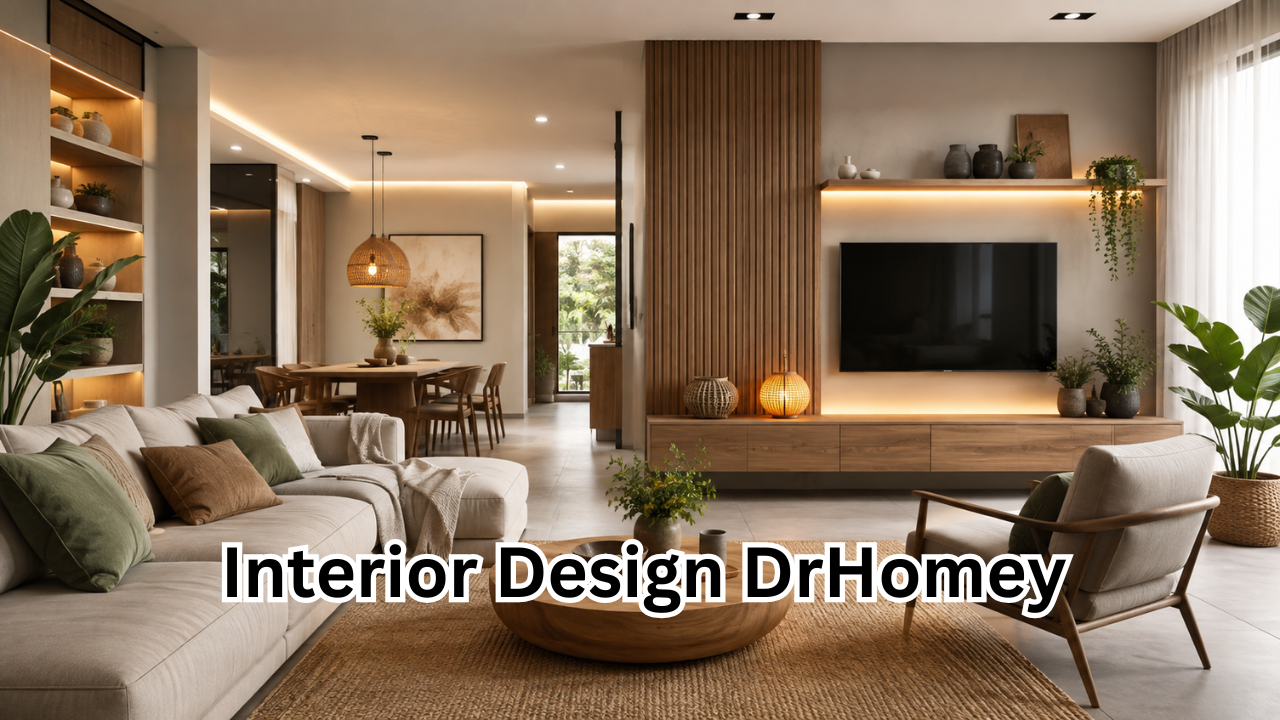
Interior design is more than choosing attractive furniture or painting walls with trendy colors. It is about creating spaces that improve comfort, functionality, and lifestyle. If you’ve been searching for interior design DrHomey, you’re likely looking for practical ideas, modern inspiration, and smart ways to transform your home without unnecessary complexity.
Whether you’re decorating a new apartment, renovating your family home, or simply refreshing a single room, understanding the principles behind good interior design can help you make better decisions. This guide explores the core concepts associated with interior design DrHomey, offering practical tips, room-by-room inspiration, and expert advice to help you create a home you’ll love.
What Is Interior Design DrHomey?
The term interior design DrHomey generally refers to a practical, modern approach to home interiors that emphasizes comfort, functionality, simplicity, and personalized aesthetics.
Rather than following expensive trends, this design philosophy focuses on creating spaces that:
- Feel welcoming and comfortable
- Maximize available space
- Reflect the homeowner’s personality
- Balance beauty with everyday practicality
- Use thoughtful color combinations
- Improve organization and efficiency
The goal isn’t perfection—it’s designing a home that works beautifully for the people living in it.
Why Good Interior Design Matters
A well-designed home influences more than appearance. It affects your mood, productivity, relaxation, and even your daily routines.
Some key benefits include:
- Better use of available space
- Improved comfort
- Increased property value
- Reduced clutter
- Easier maintenance
- Enhanced natural lighting
- Better organization
- More enjoyable living environment
When every room serves its purpose efficiently, everyday life becomes noticeably easier.
Core Principles of Interior Design DrHomey
Understanding these design principles helps you make smarter decorating decisions.
Balance
Balance creates visual stability.
Common types include:
- Symmetrical balance
- Asymmetrical balance
- Radial balance
A balanced room feels organized without appearing rigid.
Harmony
Harmony means all elements work together.
This includes:
- Colors
- Furniture
- Lighting
- Textures
- Decorative accessories
Each item should contribute to a unified look.
Functionality
Every room should serve its intended purpose.
For example:
- Living rooms encourage relaxation.
- Home offices improve productivity.
- Kitchens support efficient cooking.
- Bedrooms promote restful sleep.
Beautiful spaces should also be practical.
Scale and Proportion
Furniture should match the size of the room.
Oversized sofas overwhelm small apartments, while tiny furniture can make spacious rooms feel empty.
Keeping proper proportions creates a comfortable visual balance.
Choosing the Right Color Palette
Color plays one of the biggest roles in interior design.
Here’s a simple guide.
| Color | Best For | Creates |
|---|---|---|
| White | Small rooms | Spacious feeling |
| Beige | Living rooms | Warmth |
| Gray | Modern interiors | Sophisticated look |
| Blue | Bedrooms | Calm atmosphere |
| Green | Offices | Fresh, relaxing mood |
| Earth tones | Family spaces | Cozy environment |
Neutral colors remain popular because they allow furniture and décor to stand out without overwhelming the room.
Furniture Selection Tips
Furniture should match both your lifestyle and room dimensions.
Consider these guidelines:
- Measure your room before shopping.
- Leave enough walking space.
- Choose multifunctional furniture.
- Prioritize comfort over appearance.
- Invest in quality for frequently used pieces.
Popular multifunctional options include:
- Storage ottomans
- Sofa beds
- Extendable dining tables
- Wall-mounted desks
- Modular shelving
These choices maximize usability while keeping rooms organized.
Lighting: The Secret Ingredient
Many homeowners underestimate lighting.
Good lighting transforms ordinary spaces into inviting environments.
Natural Lighting
Maximize daylight by:
- Using sheer curtains
- Keeping windows unobstructed
- Adding mirrors
- Choosing lighter wall colors
Ambient Lighting
Provides overall room illumination.
Examples include:
- Ceiling fixtures
- Recessed lighting
- Pendant lights
Task Lighting
Used for specific activities.
Examples:
- Reading lamps
- Kitchen under-cabinet lights
- Desk lamps
Accent Lighting
Highlights decorative features.
Examples:
- Wall sconces
- Picture lights
- LED strips
- Display cabinet lighting
Layering different lighting types creates depth and flexibility.
Living Room Design Ideas
The living room often serves as the home’s centerpiece.
Interior design DrHomey encourages:
- Comfortable seating
- Open layouts
- Neutral foundations
- Natural materials
- Minimal clutter
- Statement artwork
- Indoor plants
Arrange seating to encourage conversation rather than focusing solely on the television.
Bedroom Design for Better Relaxation
Bedrooms should promote rest and tranquility.
Helpful ideas include:
- Soft color palettes
- Comfortable bedding
- Warm lighting
- Blackout curtains
- Minimal electronics
- Organized storage
A clutter-free bedroom contributes to better sleep quality.
Kitchen Interior Design Tips
Modern kitchens combine efficiency with style.
Popular features include:
- Open shelving
- Quartz countertops
- Smart storage
- Under-cabinet lighting
- Neutral cabinetry
- Durable flooring
Keep countertops as clear as possible to create a clean, spacious appearance.
Bathroom Design Essentials
Bathrooms don’t need to be large to feel luxurious.
Simple upgrades include:
- Large mirrors
- Floating vanities
- Frameless glass showers
- Neutral tile
- Good ventilation
- Soft lighting
Even small bathrooms benefit from thoughtful organization.
Small Space Decorating Ideas
Limited square footage doesn’t have to limit style.
Try these techniques:
- Use mirrors to create depth.
- Choose furniture with built-in storage.
- Mount shelves vertically.
- Use lighter paint colors.
- Avoid oversized furniture.
- Keep decorations intentional.
Every inch should serve a purpose.
Popular Interior Design Styles
Choosing a design style makes decorating easier.
Modern
Characteristics:
- Clean lines
- Neutral colors
- Open layouts
- Minimal decoration
Scandinavian
Features include:
- White walls
- Wood accents
- Cozy textiles
- Functional furniture
Minimalist
Focuses on:
- Simplicity
- Empty space
- Limited color palette
- High functionality
Contemporary
Continuously evolves with current design trends while maintaining clean aesthetics.
Rustic
Includes:
- Natural wood
- Stone
- Warm colors
- Comfortable furnishings
Decorating Without Overspending
Beautiful interiors don’t require enormous budgets.
Affordable improvements include:
- Rearranging furniture
- Painting walls
- Adding houseplants
- Updating throw pillows
- Installing new lighting
- Replacing cabinet hardware
- Hanging artwork
- Using decorative baskets
Small upgrades often produce surprisingly dramatic results.
Common Interior Design Mistakes
Avoid these frequent decorating errors:
- Buying furniture before measuring
- Ignoring lighting
- Using too many colors
- Hanging artwork too high
- Blocking natural light
- Choosing style over comfort
- Overdecorating
- Following every trend
Successful interiors balance timeless choices with personal style.
Interior Design Trends Worth Watching
While timeless design always wins, several current trends continue gaining popularity:
- Sustainable materials
- Natural wood finishes
- Curved furniture
- Earth-tone palettes
- Textured walls
- Mixed materials
- Smart home integration
- Indoor greenery
Instead of chasing every trend, incorporate only those that suit your lifestyle.
Frequently Asked Questions
What does interior design DrHomey focus on?
Interior design DrHomey emphasizes creating attractive, practical, and comfortable living spaces that balance aesthetics with everyday functionality.
Can I improve my home’s interior on a limited budget?
Yes. Painting walls, improving lighting, adding plants, updating accessories, and reorganizing furniture can significantly enhance your home’s appearance without major expenses.
Which colors work best for most homes?
Neutral shades like white, beige, gray, and soft earth tones remain versatile choices because they complement many furniture styles and create timeless interiors.
How important is lighting in interior design?
Lighting is one of the most important design elements. Combining natural, ambient, task, and accent lighting improves both functionality and visual appeal.
What is the biggest mistake people make when decorating?
One of the most common mistakes is purchasing furniture without measuring the room first, resulting in poor proportions and limited movement.
How often should I update my home’s interior?
There’s no fixed timeline. Small seasonal updates and occasional refreshes every few years can keep your home looking current without requiring complete renovations.
Final Thoughts
Interior design DrHomey represents a thoughtful approach to creating homes that are both stylish and functional. Instead of chasing short-lived trends, it encourages homeowners to prioritize comfort, organization, and personal expression while making smart use of available space.
Whether you’re redesigning a single room or planning a complete home makeover, focusing on balance, lighting, color, furniture selection, and practical layouts will help you create an environment that supports your daily life while remaining visually appealing. With careful planning and a clear vision, even modest updates can transform your living space into a home that feels welcoming, efficient, and uniquely yours.
Also Read : How to Design a Garden Layout Kdagardenation: A Complete Step-by-Step Guide











Leave a Reply