

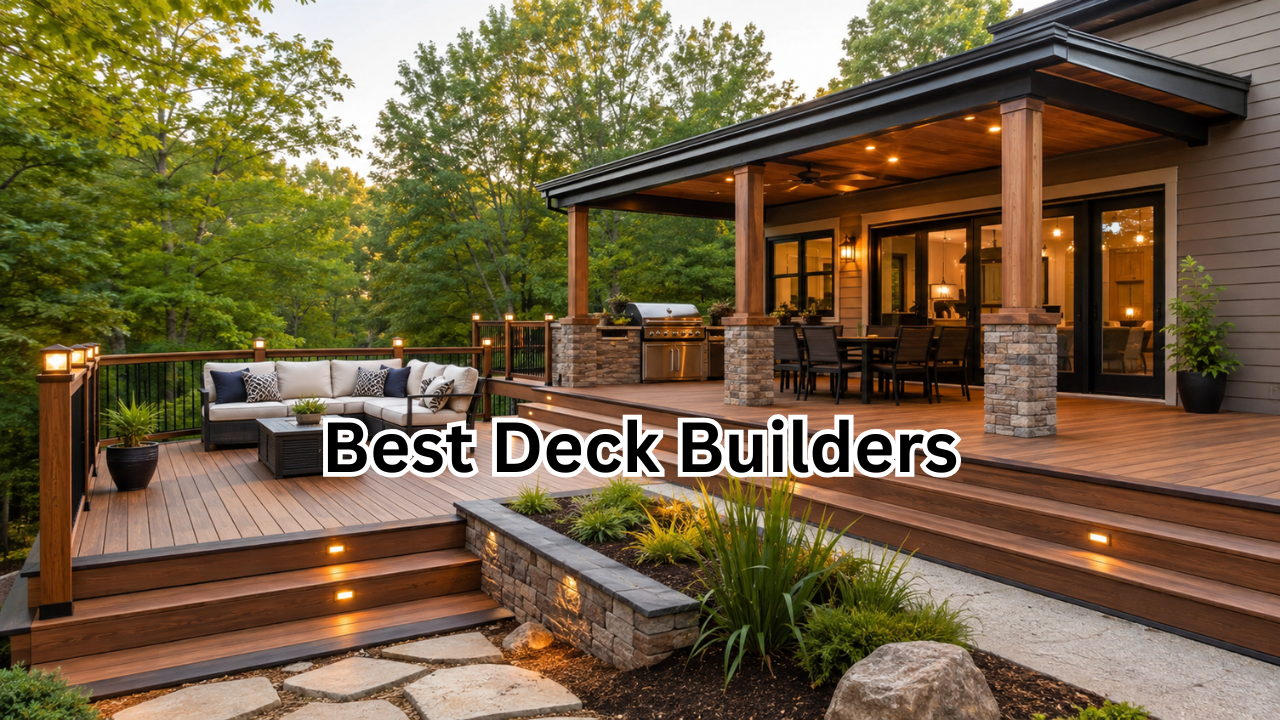
A well-designed deck can completely change the way you use your outdoor space. It can provide a comfortable area for relaxing, entertaining guests, enjoying meals, or simply spending more time outside. However, the quality of the finished project depends heavily on the person or company building it. Choosing among the best deck builders is therefore one of the most important decisions you will make before construction begins.
A deck is more than a collection of boards attached to your home. Proper design, structural support, material selection, drainage, safety features, and local building requirements all play a role in creating a durable outdoor living area. An experienced deck builder understands how these elements work together and can help turn your ideas into a practical design.
With so many contractors offering deck installation and remodeling services, comparing them can feel overwhelming. This guide explains what to look for, which questions to ask, how to compare estimates, and how to avoid common mistakes when hiring a professional deck builder.
Why Choosing the Right Deck Builder Matters
A deck may look straightforward, but construction involves considerably more than installing decking boards. The underlying frame must be properly designed and secured, while stairs, railings, footings, and connections need to meet appropriate safety standards.
An experienced builder can help you avoid expensive problems later. Poor workmanship can result in loose railings, uneven surfaces, water-related damage, premature deterioration, or structural issues.
The best deck builders typically bring several advantages:
- Professional design and planning
- Knowledge of appropriate construction techniques
- Familiarity with local permit requirements
- Proper material recommendations
- Attention to drainage and moisture management
- Safer stair and railing installation
- More accurate project estimates
- Better long-term durability
- Professional communication throughout the project
Hiring based solely on the lowest price can be tempting, but the cheapest estimate is not always the best value. A slightly higher initial investment may provide better materials, workmanship, and longevity.
What to Look for in the Best Deck Builders
Before signing a contract, evaluate potential builders from several different angles. A contractor who looks impressive online may not necessarily be the right fit for your specific project.
Experience and Relevant Projects
Start by looking at how long the builder has been working on decks and outdoor structures. General construction experience is useful, but experience specifically related to decks can be particularly valuable.
Ask whether the company has completed projects similar to yours. For example, building a simple ground-level deck is different from constructing a multi-level deck with stairs, integrated lighting, or complicated connections to an existing home.
A strong portfolio should demonstrate variety, attention to detail, and consistent workmanship.
Licensing, Insurance, and Credentials
Depending on where you live, contractors may need specific licenses or registrations. Requirements vary by location, so check the rules that apply in your area.
Insurance is equally important. Ask whether the contractor carries appropriate liability coverage and worker-related insurance where applicable.
Do not be uncomfortable asking for documentation. A reputable professional should understand why homeowners want to verify these details before construction begins.
Reviews and References
Online reviews can provide useful clues about customer experiences, but they should not be the only source of information.
Look for patterns in reviews rather than focusing on one exceptionally positive or negative comment. Pay attention to feedback about:
- Communication
- Punctuality
- Workmanship
- Cleanliness
- Project management
- Final costs
- Handling of unexpected problems
- Warranty or follow-up service
You can also ask prospective builders for references from recent customers. Speaking directly with previous clients may give you a more realistic understanding of what it is like to work with the contractor.

Compare Deck Builders Before Making a Decision
It is usually wise to contact several qualified contractors rather than accepting the first estimate you receive. Comparing multiple proposals can reveal differences in materials, labor, timelines, design approaches, and pricing.
A useful comparison might look like this:
| Factor | What to Compare | Why It Matters |
|---|---|---|
| Experience | Years and types of deck projects | Shows relevant expertise |
| Materials | Wood, composite, PVC, hardware | Affects appearance and durability |
| Estimate | Labor, materials, permits, extras | Helps prevent unexpected costs |
| Timeline | Start date and expected completion | Sets realistic expectations |
| Warranty | Workmanship and material coverage | Provides additional protection |
| Reviews | Recent customer experiences | Reveals service quality |
| Communication | Responsiveness and clarity | Makes the project easier to manage |
| Contract | Scope, payment terms, changes | Protects both parties |
A detailed written proposal is generally more useful than a vague quote. You should be able to understand what the contractor intends to build and what is included in the price.
Understand the Deck Materials Available
One of the biggest decisions you’ll make is choosing the decking material. Different materials have different maintenance requirements, appearances, lifespans, and price points.
Pressure-Treated Wood
Pressure-treated lumber remains a popular choice because it is widely available and can be relatively affordable. It can be stained or painted to achieve different looks.
However, wood requires regular maintenance. Cleaning, staining, and sealing may be necessary to protect it from weather and moisture.
Cedar and Other Natural Woods
Cedar and similar naturally attractive woods can create a warm, traditional appearance. They may also be appealing to homeowners who prefer natural materials.
The downside is that natural wood still requires maintenance and can weather over time if it is not properly cared for.
Composite Decking
Composite decking is made using a combination of materials and is designed to reduce many of the maintenance demands associated with traditional wood.
It is available in numerous colors and textures, and modern products can closely resemble natural wood. However, composite decking often has a higher initial cost than basic pressure-treated lumber.
PVC Decking
PVC decking is another low-maintenance option. It is designed to resist moisture and can work particularly well for homeowners who want to minimize ongoing maintenance.
The right choice depends on your budget, climate, preferred appearance, maintenance expectations, and how you plan to use the deck.
Ask the Right Questions Before Hiring
A conversation with a contractor can reveal a lot about their professionalism. Prepare questions before requesting an estimate.
Consider asking:
- How many years have you been building decks?
- Can you provide examples of similar projects?
- Are you licensed or registered where required?
- Do you carry appropriate insurance?
- Who will actually perform the construction?
- Will permits be required for my project?
- What materials do you recommend and why?
- What is included in the estimate?
- How long should construction take?
- What happens if the project encounters unexpected conditions?
- Do you provide a workmanship warranty?
- What payment schedule do you require?
The answers matter, but so does the way the contractor responds. Clear and straightforward communication is usually a positive sign.
Be Careful With Extremely Low Estimates
Price is important, but an unusually low estimate deserves closer examination.
A contractor may quote less because they have lower overhead, but a dramatically cheaper proposal could also leave out important components. For example, one estimate may include permits, quality hardware, site preparation, and cleanup while another may not.
Before comparing prices, make sure you are comparing similar scopes of work.
Ask contractors to explain:
- Exact deck dimensions
- Foundation or footing work
- Framing materials
- Decking material and grade
- Fasteners and hardware
- Railings and stairs
- Lighting or electrical work
- Demolition or removal
- Permit costs
- Cleanup
- Taxes or additional fees
A detailed proposal makes it easier to identify the actual value behind each price.
Look Closely at the Contract
Never rely entirely on verbal agreements for a major home improvement project. A written contract should clearly explain the scope of work and financial arrangements.
Important details may include:
- Contractor and homeowner information
- Project description
- Materials and specifications
- Total project price
- Payment schedule
- Estimated start and completion dates
- Permit responsibilities
- Change-order procedures
- Warranty information
- Cleanup responsibilities
Read the agreement carefully before signing. If something you discussed with the contractor is missing, ask for it to be included.
Consider Design and Function, Not Just Appearance
A beautiful deck should also be practical. Think about how you expect to use the space before construction starts.
If you frequently entertain guests, you may want enough room for outdoor furniture and movement. If you enjoy dining outside, consider where a table and grill will go. Families may need open areas for children, while homeowners who prioritize relaxation might prefer space for lounge chairs or a shaded seating area.
Also consider the relationship between the deck and your existing home. The design should complement the architecture rather than looking like an unrelated addition.
Features such as stairs, privacy screens, built-in seating, planters, lighting, and shade structures can make a deck more functional, but they can also affect the budget.
Think About Maintenance Before Choosing a Builder
The construction phase is only part of owning a deck. Every material has ongoing care requirements.
Wood generally needs more routine maintenance, while composite and PVC products can reduce some upkeep. Your contractor should explain how the materials are expected to perform and what maintenance they recommend.
A good builder should not simply push the most expensive product. Instead, they should help you select an option that fits your lifestyle and budget.
Warning Signs of a Problematic Deck Contractor
Knowing what to avoid can be just as useful as knowing what to look for.
Be cautious if a contractor:
- Refuses to provide a written estimate
- Pressures you to make an immediate decision
- Requests an unusually large upfront payment
- Cannot explain the scope of work clearly
- Avoids questions about insurance or credentials
- Has consistently poor or suspicious reviews
- Offers a price dramatically below other qualified contractors
- Changes the price repeatedly without explanation
- Does not provide a clear contract
- Makes unrealistic promises about timing or costs
One warning sign does not automatically mean a contractor is unreliable, but several together should encourage you to look elsewhere.
How to Get the Best Value From Your Deck Project
Getting good value does not necessarily mean spending the least amount of money. Instead, focus on balancing upfront cost, durability, appearance, maintenance, and expected lifespan.
Start by establishing a realistic budget. Then decide which features matter most.
For example, you might prioritize:
- High-quality structural framing
- Durable decking
- Safe stairs and railings
- Professional waterproofing and drainage
- Low-maintenance materials
- Attractive lighting
- A functional layout
You can reduce costs by simplifying decorative features without compromising structural quality or safety.

A Simple Process for Hiring a Deck Builder
The hiring process becomes easier when you approach it systematically.
Step 1: Define Your Project
Determine the approximate size, location, purpose, and desired features of your deck.
Step 2: Research Qualified Builders
Create a shortlist of contractors with relevant experience and positive customer feedback.
Step 3: Request Multiple Estimates
Ask several builders to provide detailed written proposals based on the same basic requirements.
Step 4: Compare More Than Price
Review materials, warranties, timelines, experience, communication, and contract terms.
Step 5: Verify Important Credentials
Check licenses, registrations, insurance, references, and any other requirements applicable to your area.
Step 6: Review the Contract
Make sure the final agreement accurately reflects what you discussed.
Step 7: Stay Involved
Maintain communication during construction and address questions before small issues become larger problems.
Frequently Asked Questions
How much does it cost to hire a deck builder?
The cost varies significantly depending on deck size, materials, design complexity, labor rates, site conditions, stairs, railings, permits, and additional features. Rather than relying on a generic price, request detailed estimates based on your specific project.
How many deck builders should I contact?
Getting estimates from several qualified contractors is a practical approach. Three or more proposals can give you a useful understanding of local pricing and help you identify differences in materials and project scope.
Is composite decking better than wood?
Neither is automatically better for every homeowner. Wood can offer a traditional appearance and lower initial material costs, while composite decking generally requires less routine maintenance. Your budget, desired appearance, climate, and maintenance preferences should guide the decision.
Should I choose the cheapest deck builder?
Not necessarily. A low price may be attractive, but you should first confirm that the estimate includes comparable materials, structural work, permits, labor, cleanup, and other important services. The best choice is usually the contractor offering a strong combination of quality, reliability, transparency, and value.
Do deck builders handle permits?
Some contractors handle permits as part of their service, while others expect homeowners to manage them. Ask about permit responsibilities before signing a contract and verify local requirements independently when necessary.
What is the most important thing to check before hiring a deck builder?
Look for evidence that the contractor can successfully complete your specific type of project. Relevant experience, positive references, appropriate insurance, a detailed written estimate, clear communication, and a professional contract are all important indicators.
Final Thoughts
Choosing among the best deck builders is about more than finding someone who can construct a deck. You are selecting a professional who will influence the safety, appearance, durability, and long-term value of an important part of your home.
Take time to research contractors, compare detailed proposals, inspect previous work, ask questions, and understand exactly what your contract includes. Do not let an unusually low price make the decision for you.
The right builder should be willing to explain your options, communicate clearly, recommend suitable materials, and provide a realistic plan for completing the work. When you combine careful research with thoughtful design and quality construction, your new deck can become a comfortable outdoor space that you enjoy for years to come.
Also Read : Best Architecture Schools in the US: Top Programs for Aspiring Architects in 2026











Leave a Reply