
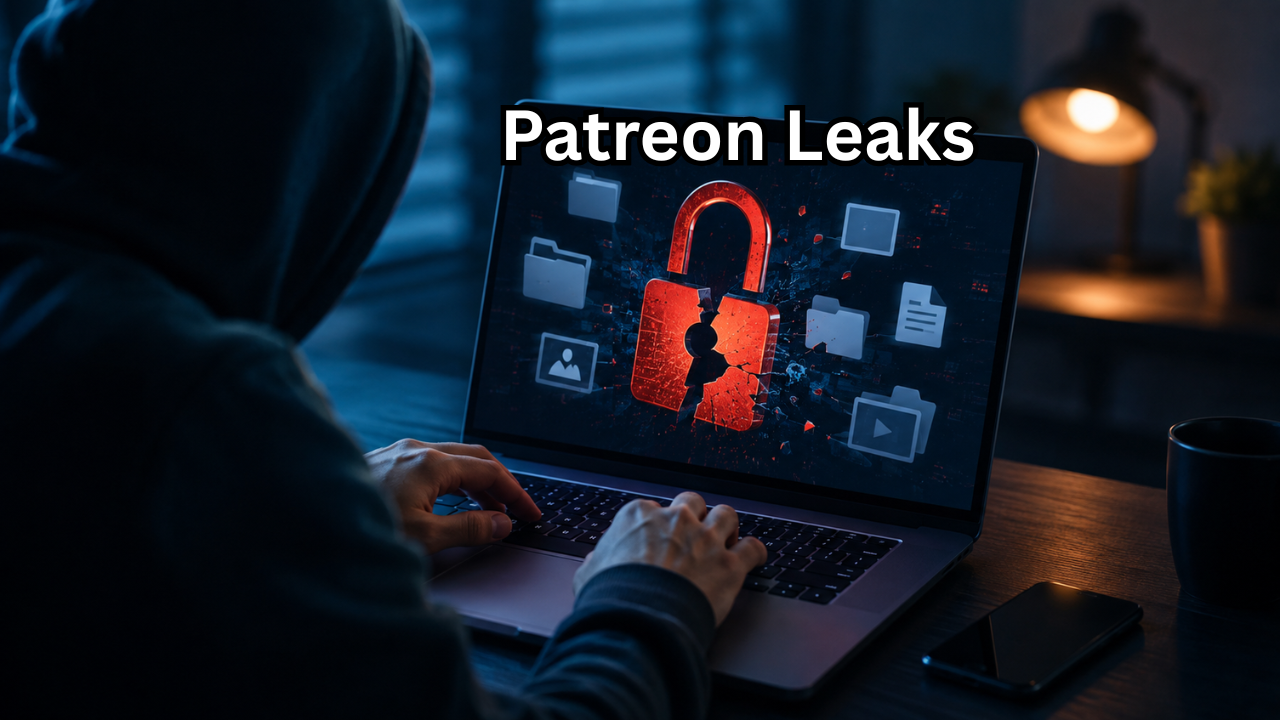
The phrase “Patreon leaks” is increasingly used online to describe creator content that was originally shared with paying members but later copied and distributed without the creator’s permission. The term can refer to many types of material, including photos, videos, artwork, posts, tutorials, behind-the-scenes content, digital downloads, and other subscription-only benefits.
For creators, a leak can mean lost income, copyright problems, privacy concerns, and significant emotional stress. For fans and subscribers, searching for leaked material can also lead to scams, malicious websites, stolen accounts, or unauthorized copies of someone’s work.
It is important to understand that Patreon is designed around a creator-member relationship in which creators offer exclusive content to supporters. Patreon’s current Terms of Use state that creators retain ownership of their creations and that members may not share creator material with people who have not purchased the relevant offering or subscription.
This guide explains what Patreon leaks are, why they happen, the risks involved, and what creators and users can do to respond responsibly.
What Are Patreon Leaks?
A Patreon leak generally occurs when content intended for a restricted audience is copied and made available somewhere else without authorization.
A creator may publish a post exclusively for a particular membership tier. Someone with legitimate access can potentially download, screenshot, record, or otherwise copy that material. The person may then redistribute it through websites, social media, messaging groups, file-sharing services, or other online channels.
The important distinction is between access and redistribution.
A paying member may have permission to view content as part of their membership. That does not automatically give them permission to redistribute the content to other people.
Patreon explicitly states that members may not use creator creations in ways that the creator has not authorized, including sharing them with people who did not purchase the applicable offering or subscription.
Common Types of Leaked Content
Patreon content can take many forms, so leaks are not limited to one particular category.
They may involve:
- Exclusive photographs
- Videos and livestream recordings
- Digital artwork
- Written posts
- Tutorials and educational material
- Downloadable files
- Music or audio
- Behind-the-scenes material
- Early-access releases
- Private community content
- Screenshots of member-only posts
Some searches for “Patreon leaks” are also associated with adult creator content. In those situations, privacy and consent concerns can become especially serious. Sharing intimate material without authorization can cause significant personal and professional harm.
Why Do Patreon Leaks Happen?
There is no single reason why subscription content gets leaked. Digital content can be copied relatively easily, and once an unauthorized copy exists, it can be difficult to control where it goes.
One common source is a subscriber who deliberately redistributes material. Another possibility is an account compromise, where someone obtains access to a legitimate member or creator account.
Other situations can include:
- Screen recording or screenshots
- Downloaded files being re-uploaded
- Password or account theft
- Unauthorized sharing between private groups
- Malicious third-party websites obtaining copies
- Former members redistributing material they previously accessed
- People reposting material without understanding the creator’s rights
Patreon itself acknowledges that digital creative work can be pirated and provides guidance for creators whose work has been stolen.

Are Patreon Leaks Legal?
Whether a particular leak violates the law depends on the circumstances, the material involved, applicable copyright rules, privacy laws, contracts, and the jurisdictions involved.
However, the fact that someone can technically copy something does not mean they have the legal right to redistribute it.
Copyright is particularly relevant when the leaked material is an original creative work. Patreon’s copyright policy addresses claims involving material hosted on its platform, while its Terms of Use prohibit users from making creations or posts that infringe intellectual-property rights.
For creators, unauthorized redistribution can therefore raise several issues at once:
| Issue | What it can mean |
|---|---|
| Copyright infringement | A protected creative work may have been reproduced or distributed without permission |
| Lost revenue | Potential subscribers may access unauthorized copies instead of supporting the creator |
| Privacy violation | Private or sensitive material may be exposed |
| Reputation damage | Content may appear in places or contexts the creator never intended |
| Account security | A compromised account can expose private information |
| Emotional harm | Unauthorized distribution can create serious personal stress |
The safest approach is not to assume that material found through a “leak” website is legitimate or authorized.
Why Searching for Leaked Content Can Be Risky
People searching for Patreon leaks may assume they are simply looking for copies of online content. In reality, search results can lead to websites with very different intentions.
Some pages may use the term “leak” as clickbait. Others may request personal information, ask visitors to install software, or redirect them through suspicious advertising networks.
Potential risks include:
- Malware and malicious downloads
- Phishing pages
- Fake login forms
- Stolen account credentials
- Aggressive pop-ups and redirects
- Scam subscription offers
- Tracking and unwanted data collection
- Unauthorized exposure of personal information
This is especially important when a website claims to offer private or intimate material. Such pages can combine privacy violations with scams and security threats.
A safer rule is simple: do not download unknown files or enter Patreon credentials on websites claiming to provide leaked content.
How Patreon Protects Creator and Member Information
Privacy is an important part of the Patreon ecosystem. Patreon’s Creator Privacy Promise requires creators to protect member data and use it for appropriate membership-related purposes. The agreement includes information such as usernames, email addresses, purchase information, and shipping details.
Patreon also provides privacy controls for members. According to Patreon’s current help documentation, members can use an alias and a non-descriptive email address in certain circumstances to reduce the amount of personally identifying information visible to other users.
In addition, Patreon has introduced settings that allow members to manage whether their email address is shared with creators they subscribe to.
These tools cannot prevent every form of content copying, but they can help users make more informed privacy decisions.
What Creators Can Do If Their Content Is Leaked
Discovering unauthorized copies can be frustrating, but creators have several practical steps available.
1. Document the Unauthorized Copy
Save relevant information about where the material appears. Depending on the situation, this can include:
- Page URLs
- Screenshots
- Dates and times
- The specific work involved
- Evidence showing original ownership
- Information about how the material was originally distributed
Keeping organized records can make later reporting easier.
2. Contact the Website or Platform
Some websites have copyright-reporting systems. If the unauthorized copy appears on a platform that accepts infringement complaints, the rights holder can review its reporting process.
Patreon also provides information about copyright complaints and infringement procedures.
3. Report the Material
If the content is hosted on another platform, use that platform’s official reporting process instead of communicating with suspicious individuals offering to remove the material.
This is particularly important when a website asks for money to remove allegedly leaked content.
4. Protect the Creator Account
If a creator believes an account may have been compromised, account security should become an immediate priority.
Useful precautions include:
- Change the account password
- Use a unique password
- Secure the associated email account
- Review connected applications
- Check for unusual account activity
- Avoid sharing login information
- Be cautious with unexpected messages and links
Patreon allows users to connect third-party applications and services, so creators should understand what permissions they have granted and revoke access when appropriate.
What Subscribers Should Do
Subscribers also have a role in preventing unauthorized distribution.
The easiest approach is to treat paid creator content like any other copyrighted or private material: do not redistribute it without permission.
If you encounter an alleged Patreon leak, avoid downloading or sharing it. If the material appears to involve someone’s private or intimate content, the responsible choice is especially clear: do not save it, repost it, or send it to others.
Subscribers should also be careful about websites promising huge collections of “exclusive leaks.” A tempting headline is not evidence that a site is legitimate.
If you have an active Patreon membership, use Patreon itself to access content rather than third-party archives claiming to host unauthorized copies.
How Creators Can Reduce the Risk of Future Leaks
No digital platform can guarantee that content will never be copied. However, creators can make unauthorized redistribution more difficult.
Some useful practices include:
- Use clear membership terms.
- Avoid unnecessarily sharing sensitive personal information.
- Consider watermarking visual content.
- Keep valuable source files securely backed up.
- Use strong, unique passwords.
- Enable available account-security features.
- Review third-party application permissions.
- Monitor public search results for unauthorized copies.
- Keep evidence of original publication dates.
- Explain to members that redistribution is not permitted.
Watermarks will not stop every leak, but they can discourage casual reposting and make ownership easier to establish.
Creators should also think carefully about what information is included in downloadable files. Metadata, personal contact details, or other identifying information can sometimes reveal more than intended.
Patreon Leaks and the Importance of Consent
The issue becomes particularly sensitive when leaked material contains private, intimate, or personally identifying information.
Content being available to a paying audience does not mean the creator agreed to unlimited redistribution. A membership is not a blanket license to copy someone’s work and distribute it elsewhere.
Patreon prohibits doxxing and describes the sharing of personally identifiable information without consent as a serious form of harassment that can cause real-world harm.
That principle is worth remembering whenever discussions about “leaks” involve real people rather than simply fictional or commercial files.
Frequently Asked Questions About Patreon Leaks
What does “Patreon leaks” mean?
The term generally refers to Patreon-exclusive material that has been copied and distributed without the creator’s authorization. It can include images, videos, posts, downloads, artwork, or other membership content.

Is sharing Patreon content outside Patreon allowed?
Not automatically. Patreon’s Terms of Use state that members may not use creator creations in ways that are unauthorized by the creator, including sharing material with people who did not purchase the relevant subscription or offering.
Can creators report leaked Patreon content?
Yes. Creators can document unauthorized copies and use applicable copyright or platform reporting procedures. Patreon provides copyright policies and guidance for creators dealing with stolen work.
Are websites offering Patreon leaks safe?
There is no reason to assume that such websites are safe. They may contain phishing pages, malicious downloads, deceptive advertisements, scams, or unauthorized material. Avoid entering account credentials or downloading unknown files.
Can Patreon creators protect their content completely?
No. Any digital content that can be viewed can potentially be copied. However, creators can reduce risk through account security, careful membership management, watermarks, monitoring, and prompt reporting.
What should I do if I find someone’s private content online?
Do not download, save, repost, or distribute it. If appropriate, report the material through the website hosting it. If the material appears to involve serious privacy or safety concerns, professional legal advice may also be appropriate.
Final Thoughts
The phrase “Patreon leaks” may look like an ordinary search term, but behind it can be real copyright, privacy, security, and financial issues. Patreon is built around creators offering work to supporters under specific membership arrangements, and unauthorized redistribution undermines that relationship.
For creators, the best defense is a combination of strong account security, sensible content management, monitoring, documentation, and fast reporting when unauthorized copies appear. For subscribers, respecting membership restrictions and avoiding suspicious third-party websites protects both creators and their own accounts.
Most importantly, online accessibility should not be confused with permission. A piece of content being copied or appearing in a search result does not mean that the creator authorized its distribution. Treating creative work and personal information responsibly is one of the simplest ways to make online communities safer for everyone
Also Read : Wayback Machine Alternative: 10 Best Tools to Find and Archive Old Web Pages in 2026







Leave a Reply