

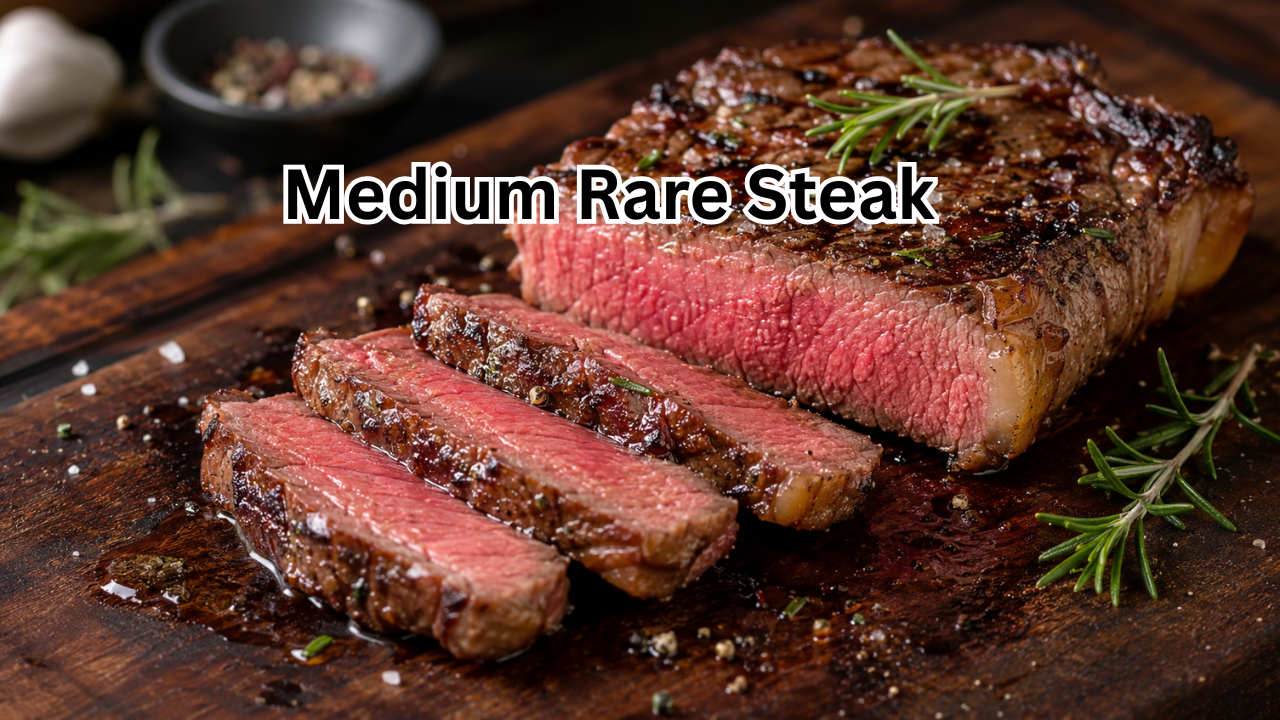
There is something special about cutting into a beautifully cooked steak and seeing a warm, rosy center surrounded by a deeply browned crust. For many steak lovers, medium rare steak offers one of the best combinations of tenderness, juiciness, flavor, and texture.
Cooking steak to medium rare is not difficult, but getting consistent results takes a little attention. The thickness of the steak, cooking method, pan temperature, resting time, and internal temperature can all affect the final result. A few small mistakes can turn a juicy steak into something dry and overcooked.
Whether you are preparing a steak for a special dinner or simply want to improve your home cooking skills, understanding how medium rare works can make a noticeable difference.
This guide explains what medium rare steak looks and feels like, the best temperature to aim for, which cuts work well, how to cook one at home, common mistakes to avoid, and answers to frequently asked questions.
What Is Medium Rare Steak?
Medium rare steak is steak that has been cooked until the outside develops a flavorful browned crust while the inside remains warm and pink to red in the center.
The goal is not to leave the steak raw. Instead, the center should be heated enough to develop a tender, juicy texture while retaining much of the moisture that can be lost through longer cooking.
A properly cooked medium rare steak generally has:
- A dark golden-brown or browned exterior
- A warm pink center
- A juicy interior
- A tender, easy-to-chew texture
- A noticeable contrast between the crust and center
For many popular steak cuts, this level of doneness allows the natural flavor of the beef to remain prominent without producing the firmer texture associated with well-done steak.
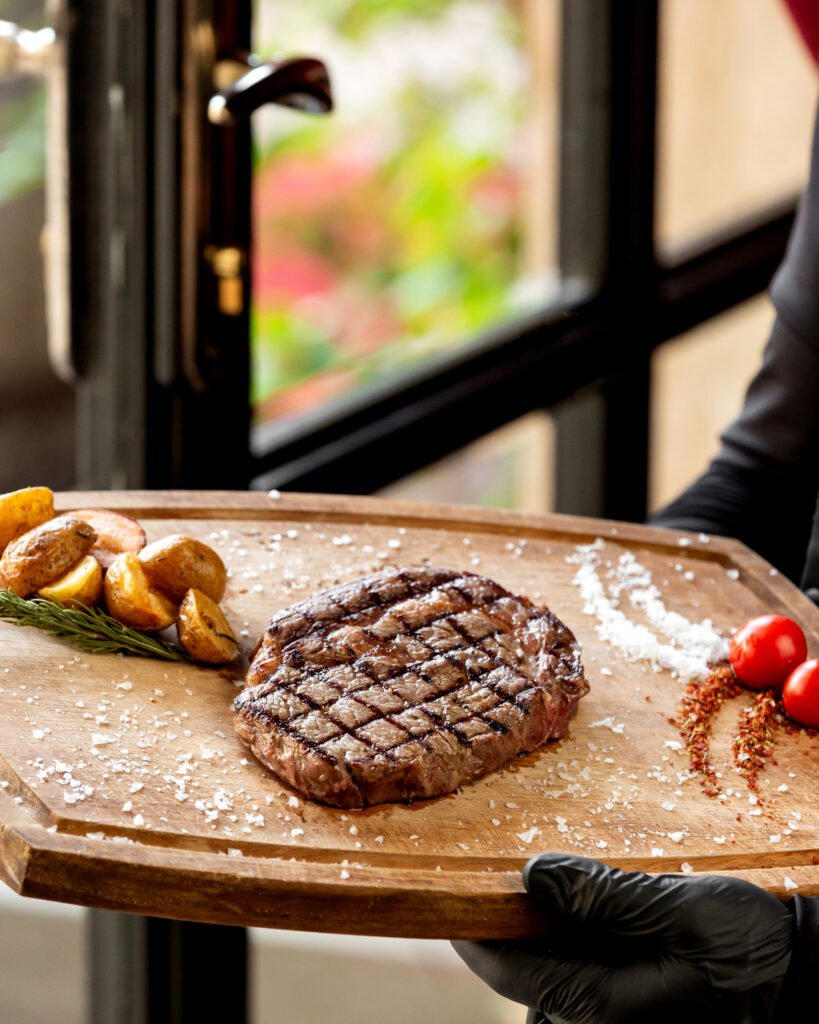
What Temperature Is Medium Rare Steak?
Temperature is one of the most reliable ways to judge steak doneness. Visual appearance can be helpful, but color alone is not always accurate.
A commonly used target for medium rare steak is approximately 130–135°F (54–57°C) after cooking and resting.
Because steak continues cooking from residual heat after being removed from the pan or grill, many cooks remove it slightly before the desired final temperature is reached.
| Steak Doneness | Approximate Final Internal Temperature | Typical Center |
|---|---|---|
| Rare | 120–125°F (49–52°C) | Cool to warm red |
| Medium rare | 130–135°F (54–57°C) | Warm pink/red |
| Medium | 140–145°F (60–63°C) | Pink |
| Medium well | 150–155°F (66–68°C) | Slightly pink |
| Well done | 160°F+ (71°C+) | Little to no pink |
For food safety, temperature recommendations can differ from culinary preferences, and whole cuts of beef have different considerations from ground beef. If you are cooking for someone who is pregnant, elderly, immunocompromised, or otherwise at higher risk from foodborne illness, follow the applicable food-safety guidance rather than relying solely on steakhouse-style doneness.
Why Do People Love Medium Rare Steak?
The popularity of medium rare steak comes down to texture and flavor.
Cooking beef for a shorter period generally helps it retain more moisture. The result can be softer and juicier than a steak cooked for a longer time.
Medium rare also creates an appealing contrast. The outside can develop a rich, savory crust through browning while the center remains tender.
Another advantage is that the natural character of quality beef can remain noticeable. Cuts such as ribeye and strip steak contain enough fat and flavor that they can be excellent when cooked to medium rare.
That said, there is no universally “correct” steak doneness. Some people prefer medium, while others enjoy rare or well-done steak. The best steak is ultimately the one cooked to your preferred texture and temperature.
Best Steak Cuts for Medium Rare
Not every cut needs to be cooked in exactly the same way. Thickness, fat content, and connective tissue all influence the cooking process.
Ribeye
Ribeye is a popular choice because it contains generous marbling. The fat can become flavorful and tender as the steak cooks, making ribeye particularly satisfying when prepared medium rare.
New York Strip
New York strip has a firmer bite than ribeye but offers excellent beef flavor. It is a good option when you want a steak with a balance of tenderness and structure.
Tenderloin
Tenderloin, including filet mignon, is known for its exceptionally soft texture. Because it is naturally lean, careful cooking is important to prevent it from becoming dry.
Sirloin
Sirloin can be an affordable alternative for everyday meals. A well-cooked sirloin can be flavorful and tender, particularly when the steak is not overcooked.
T-Bone and Porterhouse
These cuts combine two different sections of beef, usually including tenderloin and strip steak. Their bone and shape can make cooking slightly more challenging, but they can produce an impressive result when handled properly.
How to Cook a Medium Rare Steak in a Pan
Pan-searing is one of the easiest ways to make a restaurant-style steak at home. A heavy skillet, particularly cast iron or another pan that holds heat well, works nicely.
1. Start With the Right Steak
A steak with even thickness is easier to cook consistently. A steak around 1 to 1½ inches thick is a practical choice for pan-searing.
Take the steak out of the refrigerator and prepare it according to your preferred cooking routine. Pat the surface thoroughly dry with paper towels. Removing excess moisture helps the exterior brown rather than steam.
2. Season Generously
Salt is the foundation of a simple steak seasoning. You can also add freshly ground black pepper and other seasonings if desired.
The key is to season the steak evenly rather than concentrating the seasoning in one area.
3. Heat the Pan
Place the skillet over high or medium-high heat and allow it to become properly hot.
Add a suitable high-heat cooking oil shortly before placing the steak in the pan. You want enough heat to encourage rapid browning without allowing the oil to burn excessively.
4. Sear the Steak
Place the steak in the hot pan and allow the first side to develop a strong crust before turning it.
The exact cooking time varies significantly depending on thickness, starting temperature, pan heat, and the cut of beef. Instead of relying entirely on minutes per side, use an instant-read thermometer to monitor the internal temperature.
5. Add Butter and Aromatics
During the final stage, you can add butter along with ingredients such as garlic, rosemary, or thyme.
Tilt the pan carefully and spoon the foaming butter over the steak. This adds richness and aroma while helping create a flavorful exterior.
6. Check the Temperature
Insert the thermometer into the thickest part of the steak, avoiding the bone if the steak contains one.
For a medium rare result, remove the steak before it reaches your desired final temperature because its internal temperature can continue rising while it rests.
7. Let It Rest
Resting is an important part of the process.
Place the steak on a plate or cutting board and allow it to rest for several minutes before slicing. This gives the heat a chance to settle and helps the steak retain more of its juices.
How to Grill a Medium Rare Steak
Grilling can give steak a wonderful smoky flavor and attractive charred marks.
Start by preheating the grill properly. Clean the grates and lightly oil them if appropriate for your grill.
Place the steak over direct heat and allow the surface to brown. Turn it when the first side has developed a good crust. If the steak is thick, you may need to move it to a cooler part of the grill to finish cooking more gently.
A thermometer remains the best way to judge doneness.
For particularly thick steaks, a two-zone grilling setup can be useful. Sear the steak over high heat first, then move it away from direct heat until the center reaches the desired temperature.
This approach can help prevent the exterior from becoming excessively charred before the middle is ready.
Common Mistakes When Cooking Medium Rare Steak
Even experienced home cooks can make mistakes. Avoiding a few common problems can dramatically improve your results.
Using Only Cooking Time
“Four minutes per side” sounds convenient, but it does not account for steak thickness or pan temperature.
A thin steak and a thick steak can require very different cooking times. Use temperature as your primary guide.
Starting With a Wet Steak
Surface moisture makes browning more difficult. Pat the steak dry before seasoning and cooking.
Using a Cold Pan
A pan that has not heated sufficiently may fail to create the crust you want. Give the pan enough time to become properly hot before adding the steak.
Constantly Moving the Steak
Frequent flipping, pressing, and moving can interfere with browning. Let the surface spend enough time against the hot cooking surface to develop a crust.
Cutting the Steak Immediately
Slicing immediately after cooking can release juices onto the plate. Allowing the steak to rest first generally produces a better eating experience.
Cooking by Color Alone
A pink center does not automatically tell you the exact internal temperature. Lighting, beef variety, and cooking conditions can influence appearance.
A reliable instant-read thermometer provides much more useful information.
How to Slice Medium Rare Steak
Once the steak has rested, slicing it correctly can improve its tenderness.
Look at the direction of the muscle fibers and identify the grain. Then cut across the grain rather than parallel to it.
Shorter muscle fibers are easier to chew, which can make the steak feel more tender even when the cut itself has a relatively firm texture.
Use a sharp knife and make clean slices rather than repeatedly sawing through the meat.
Sauces and Sides That Pair Well With Medium Rare Steak
A beautifully cooked steak does not require a complicated sauce. Simple sides can complement the beef without overpowering it.
Popular options include:
- Garlic mashed potatoes
- Crispy roasted potatoes
- Grilled vegetables
- Creamed spinach
- Green beans
- Roasted mushrooms
- Fresh salad
- Sautéed onions
- Peppercorn sauce
- Garlic herb butter
- Chimichurri
For a rich steak such as ribeye, an acidic or herb-based sauce can provide balance. Chimichurri, for example, adds freshness that can work especially well with a fatty cut.
Medium Rare Steak vs. Medium Steak
The difference between medium rare and medium is mainly the internal temperature and resulting texture.
Medium rare typically has a warmer pink-to-red center and a softer, juicier texture. Medium steak is cooked further, producing a pink center with a firmer bite.
Neither option is inherently better. The choice depends on personal preference, the particular cut, and the eating experience you want.
If you are cooking steak for several people with different preferences, using a thermometer allows you to remove individual steaks at different temperatures.
Frequently Asked Questions About Medium Rare Steak
Is medium rare steak safe to eat?
Food safety depends on factors including the type of beef, handling, storage, and cooking temperature. Whole cuts of beef and ground beef have different safety considerations. If you are preparing steak for someone at higher risk of foodborne illness, use recommended food-safety temperatures rather than choosing doneness solely by preference.
What temperature should medium rare steak be?
A commonly used culinary target for medium rare is around 130–135°F (54–57°C) after resting. Since steak can continue cooking after removal from heat, many cooks take it off the heat somewhat earlier.
How long should I cook a medium rare steak?
There is no single cooking time that works for every steak. Thickness, cooking method, starting temperature, and heat level all matter. A thermometer is more reliable than following a fixed number of minutes.
Should I rest a medium rare steak?
Yes. Resting the steak for several minutes after cooking allows the temperature to stabilize and gives the juices time to redistribute. It is a simple step that can improve the final texture.
What is the best cut for medium rare steak?
Ribeye, New York strip, tenderloin, sirloin, T-bone, and porterhouse can all work well. Ribeye is especially popular because of its marbling, while tenderloin is prized for its softness.
Why is my medium rare steak tough?
A tough steak can result from the cut itself, overcooking, slicing with the grain, or insufficient resting. Choosing a suitable cut, monitoring temperature, allowing the steak to rest, and slicing against the grain can all help.
Final Thoughts
Cooking a great medium rare steak is less about memorizing an exact number of minutes and more about understanding temperature, heat, thickness, and timing.
Start with a good-quality steak, dry the surface thoroughly, season it well, and use a hot cooking surface to create a flavorful crust. Most importantly, use an instant-read thermometer instead of relying entirely on appearance or cooking time.
Once the steak reaches your preferred temperature, let it rest before slicing it against the grain. With these simple habits, you can consistently produce a steak that is flavorful, juicy, and tender.
The best part is that the technique becomes easier with practice. After cooking a few steaks, you will become much more comfortable recognizing how your pan, grill, and favorite cuts behave. From there, creating a delicious steak dinner at home becomes a straightforward skill rather than a guessing game.
Also Read : Apple Split: Complete Guide to Apple Stock Splits, History, and What They Mean for Investors











Leave a Reply