
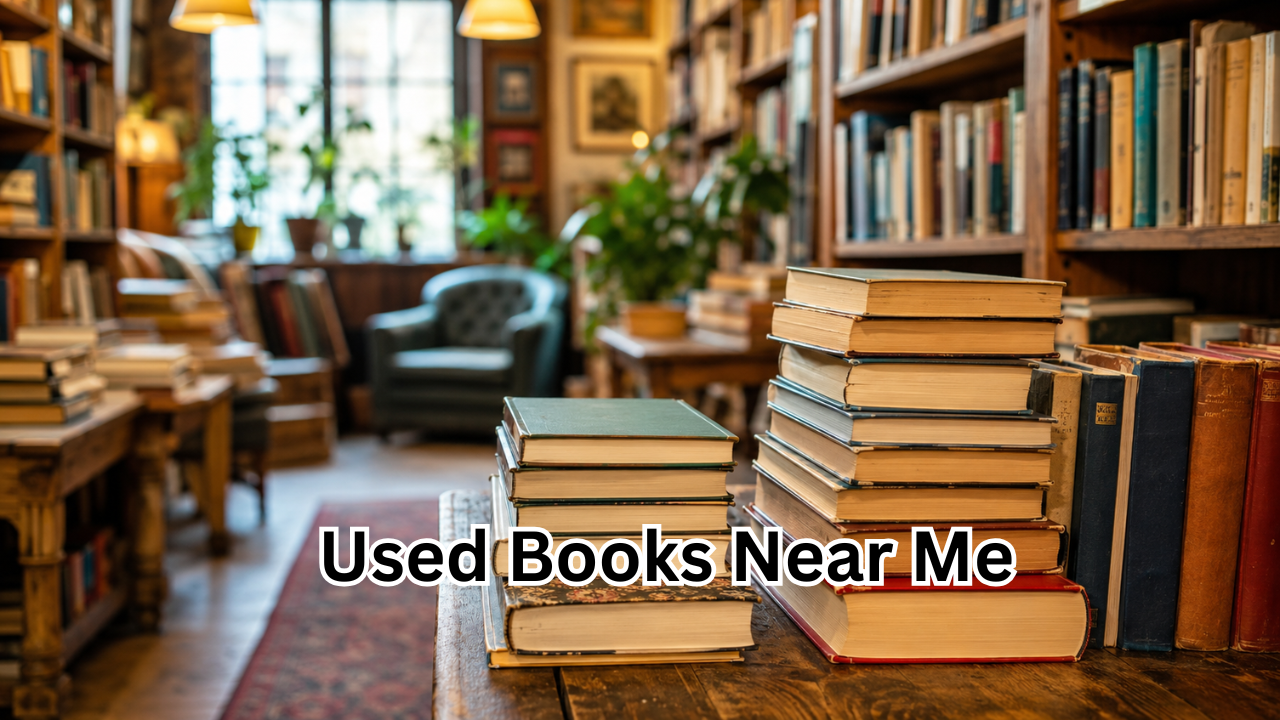
Finding a good book does not always mean buying a brand-new copy. For many readers, the search for used books near me is a smarter way to discover great stories, save money, and even find titles that are difficult to locate in regular bookstores.
Used bookstores can be surprisingly rewarding. You may walk in looking for one particular novel and leave with several unexpected finds. From classic literature and textbooks to rare editions and popular fiction, secondhand bookshops often have something for almost every type of reader.
The best part is that buying used does not necessarily mean sacrificing quality. Many secondhand books are in excellent condition, while others have a unique character that new books simply cannot offer.
Whether you are a student, casual reader, collector, parent, or someone building a personal library, knowing how to find quality used books locally can make the experience easier and more affordable.
Why Buy Used Books?
The biggest reason people look for used books nearby is simple: price.
A secondhand copy can cost considerably less than a new edition. This can make a major difference if you read frequently or need several books for school or work.
But affordability is only one advantage.
Used books can also provide access to older editions, out-of-print titles, discontinued textbooks, and books that are no longer prominently displayed in major retail stores.
There is also something enjoyable about browsing a physical used bookstore. Shelves are often less predictable than those in large chain stores, so discovering an interesting title can feel like a treasure hunt.
Other benefits include:
- Lower prices than many new editions
- Access to older and discontinued books
- Opportunities to find collectible editions
- Less demand for new printing and packaging
- A chance to support independent local businesses
- More variety than you might expect
For readers who enjoy exploring rather than simply purchasing the latest bestseller, secondhand books can be particularly appealing.
How to Find Used Books Near Me
Searching online is usually the fastest starting point. A simple search for used books near me can show nearby bookstores, charity shops, thrift stores, and other places that may sell pre-owned books.
However, search results are only the beginning.
Before visiting a store, check its current opening hours, location, customer reviews, and available categories. Some shops specialize in particular types of books, while others carry a little bit of everything.
You can also ask friends, classmates, teachers, librarians, or local reading groups for recommendations. Word-of-mouth suggestions can lead you to smaller bookstores that may not appear prominently in search results.
Places to Check for Secondhand Books
When looking for affordable books locally, consider several types of stores:
Independent used bookstores:
These are often the best option for readers who want a large and organized selection. Staff may also be able to help you locate specific titles.
Thrift stores:
Thrift shops can have inexpensive books, although the selection tends to change frequently.
Charity shops:
Donated books are often sold at reasonable prices, and purchasing them can support a charitable organization.
Used bookstores specializing in textbooks:
Students may find better deals on academic books through shops that focus specifically on educational materials.
Library book sales:
Libraries sometimes sell withdrawn or donated books. These sales can be excellent places to find inexpensive reading material.
Local markets and community sales:
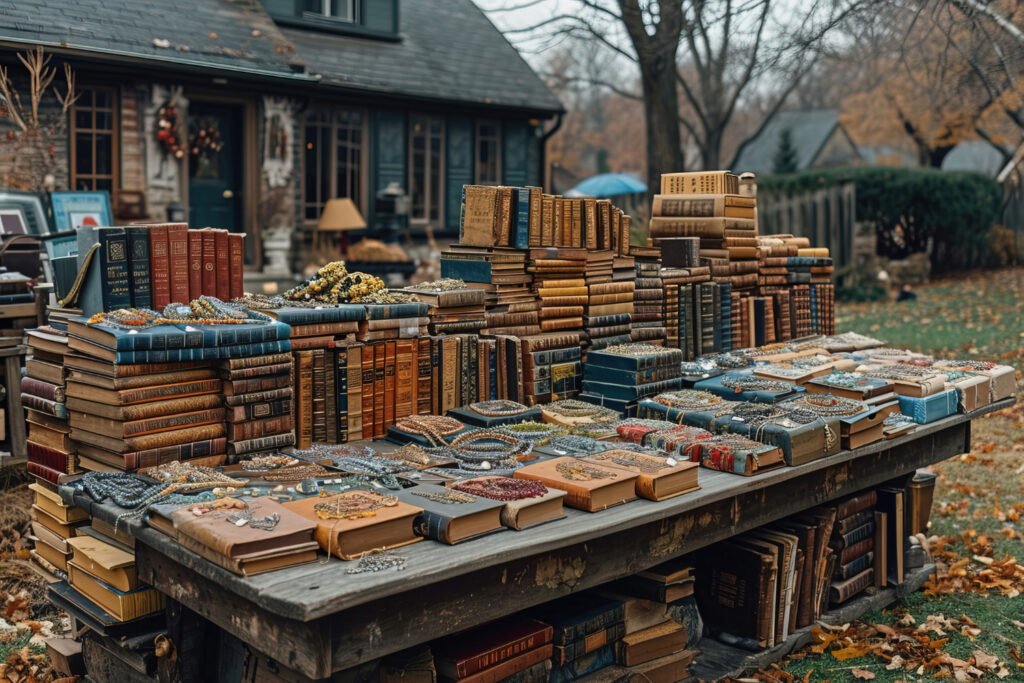
Garage sales, community events, and book fairs can occasionally produce some of the best bargains.
What Types of Used Books Can You Find?
One of the most interesting things about secondhand bookstores is the range of material available.
A typical shop may have shelves dedicated to fiction, history, biographies, science, children’s books, self-help, business, travel, art, religion, education, and many other subjects.
The selection varies from store to store, but you may come across:
| Book Category | What You May Find | Best For |
|---|---|---|
| Fiction | Novels, classics, mysteries, romance | Casual readers |
| Nonfiction | History, science, biographies | Learning and research |
| Textbooks | Older academic editions | Students |
| Children’s books | Storybooks and educational titles | Parents and teachers |
| Collectibles | First editions and unusual printings | Collectors |
| Reference books | Dictionaries, encyclopedias, guides | Research |
| Travel books | Destination guides and cultural books | Travelers |
| Art books | Photography and illustrated books | Creatives |
Because inventory changes constantly, visiting regularly can be more effective than checking just once.
How to Check the Condition of a Used Book
A low price is not always a bargain. Before buying a used book, take a moment to inspect its condition.
Start with the cover. Look for significant tears, water damage, heavy bending, or missing sections. Minor scratches and shelf wear are usually harmless.
Next, flip through several pages. Check for writing, highlighting, stains, torn pages, or pages that may have become loose.
For textbooks, pay particular attention to notes and highlighting. A small amount may be acceptable, but extensive writing can make studying more difficult.
Also check whether the book is complete. Older books can sometimes have missing inserts, maps, illustrations, CDs, or other materials that originally came with the edition.
A quick inspection can help you avoid paying for a book that is technically cheap but difficult to use.
Used Books vs. New Books
Both new and used books have advantages. The better option depends on your priorities.
If you want a pristine copy, the latest edition, or a book as a gift, buying new may make sense.
If price, discovery, and variety matter more, used books can be the better choice.
| Factor | Used Books | New Books |
|---|---|---|
| Price | Usually lower | Usually higher |
| Condition | Varies | Usually excellent |
| Edition | May be older | Usually current |
| Selection | Depends on local inventory | Often predictable |
| Character | Can have unique history | Clean and unused |
| Collecting potential | Sometimes excellent | Depends on edition |
| Immediate availability | Varies | Often easier to order |
There is no universal winner. Many serious readers use both options depending on the book they need.
How to Get the Best Deals on Used Books
Finding a cheap book is easy. Finding an excellent book at a great price takes a little more strategy.
One useful approach is to avoid limiting yourself to a single store. Compare prices between several local sellers when possible.
It is also worth checking different sections of a bookstore. A title that looks expensive in one category may be cheaper elsewhere, particularly when stores reorganize inventory.
Keep an eye out for:
- Clearance shelves
- Bulk-buy discounts
- Storewide sales
- Library book sales
- Seasonal promotions
- Student discounts
- Membership programs
- Community book fairs
If you are buying multiple books, ask whether the seller offers a bundle price. Independent sellers may be more flexible, especially when you are purchasing several inexpensive titles.
Finding Rare and Out-of-Print Books
Used bookstores are particularly valuable when you are searching for something that is no longer widely available.
An older edition may have disappeared from mainstream bookshelves but still appear in a secondhand shop. Collectors often use this approach when looking for unusual printings, older covers, signed copies, or editions with distinctive designs.
However, be careful when buying a supposedly rare book.
Not every old book is valuable. Age alone does not determine collectibility. Factors such as edition, printing, condition, scarcity, author, demand, and provenance can all matter.
If a book appears unusually expensive, research the exact edition before purchasing it.
Tips for Students Looking for Used Textbooks
Students can potentially save a significant amount by considering used textbooks.
Before buying one, however, confirm that you are getting the correct edition. Professors sometimes require a specific version because page numbers, assignments, or chapters may differ between editions.
Check whether the book includes access codes or online materials. A used textbook may not include a code that was originally sold with the new copy.
Before spending money, compare the total cost of several options, including:
- Used physical copies
- New physical copies
- Library copies
- Rental options
- Digital editions
- Older editions approved by your instructor
The cheapest book is not necessarily the most useful one if it lacks required materials.
Why Local Used Bookstores Are Worth Visiting
Online shopping is convenient, but local bookstores offer something that algorithms cannot completely replicate.
You can physically inspect a book before buying it. You can browse without knowing exactly what you want. You may discover authors you have never encountered.
There is also the community aspect.
Independent bookstores often become gathering places for readers, writers, students, and local residents. Some host readings, book clubs, workshops, or other literary events.
Buying locally can also keep money within the community and help smaller businesses continue operating.
For many readers, that makes the experience about more than simply getting a cheaper book.
How to Make Your Search More Efficient
If you regularly search for used books near me, create a simple routine.
First, make a list of titles or authors you are interested in. Then identify several nearby stores that carry secondhand books.
When visiting, ask staff whether they have additional inventory that is not currently on display. Some stores may have new arrivals that have not yet been fully shelved.
You can also keep a wishlist on your phone. Include the author, title, edition, and ISBN when possible. This makes it easier to compare what you find.
For collectors and frequent readers, tracking prices can also help. You will gradually learn which books are commonly available and which ones deserve a closer look when you find them.
What to Bring When Book Hunting
You do not need much equipment to search for secondhand books, but a few simple tools can help.
Consider bringing:
- A phone for checking editions or ISBNs
- A wishlist of books you want
- A small reusable bag
- A budget limit
- A note-taking app for interesting discoveries
Most importantly, bring patience.
The perfect book may not be on the first shelf you check. One of the pleasures of used-book shopping is that the inventory is constantly changing.
Frequently Asked Questions
Where can I find used books near me?
Start by searching online for local secondhand bookstores, thrift shops, charity stores, library sales, and book fairs. Reviews and local reading communities can also help identify stores with good selections.
Are used books worth buying?
Yes. Used books can offer significant savings and provide access to older, rare, or discontinued titles. The key is to check the condition and edition before purchasing.
How can I tell if a used book is in good condition?
Inspect the cover, spine, pages, and binding. Look for water damage, missing pages, excessive writing, and torn sections. For textbooks, check whether required supplemental materials are included.
Can I find rare books at used bookstores?
You can. Secondhand stores sometimes carry collectible or out-of-print books. However, rarity and value depend on factors such as edition, condition, scarcity, and demand.
Are used textbooks a good option for students?
They can be an excellent way to reduce textbook costs. Always confirm the required edition and check whether access codes or other digital materials are necessary for your course.
How often should I visit a used bookstore?
If you are searching for a specific title, visiting regularly can improve your chances. Used inventory changes frequently, so a book that is unavailable today may appear a few weeks later.
Final Thoughts
Searching for used books near me can lead to much more than inexpensive reading material. It can introduce you to forgotten authors, older editions, unexpected subjects, and books that you might never have discovered through a standard online search.
The best approach is to explore several types of local sellers, inspect books carefully, compare prices, and keep an open mind.
Whether you are building a home library, looking for affordable textbooks, hunting for a classic novel, or simply hoping to find your next great read, secondhand bookstores are worth exploring.
Sometimes the best book on the shelf is not the newest one. It is the one waiting quietly for the right reader to discover it.
Also Read : Fansly: A Complete Guide to the Creator Subscription Platform





Leave a Reply