


Have you ever caught yourself imagining that your life is a movie and you are the central character? Maybe you picture everyday events as part of a bigger story, replay conversations in your head, or imagine how a particular moment would look from an outside perspective. On its own, this kind of thinking is usually harmless. In fact, it can sometimes make ordinary life feel more exciting.
The phrase main character syndrome has become increasingly popular on social media as a way to describe a mindset in which someone views themselves as the central figure in their personal story. It is not a formal medical diagnosis or recognized mental health disorder. Instead, it is an informal internet expression that can describe a range of behaviors, from harmless self-confidence and daydreaming to excessive self-focus.
Understanding the difference matters. Enjoying your own life, setting personal goals, and feeling confident are not automatically signs of a problem. Concerns arise when someone consistently ignores other people’s perspectives, expects special treatment, or interprets every situation primarily through their own importance.
This guide explains what main character syndrome means, common signs, possible reasons behind it, and practical ways to develop a healthier balance between self-focus and awareness of others.
What Is Main Character Syndrome?
Main character syndrome is an informal term for a tendency to see yourself as the protagonist of your life, sometimes to the point of treating other people as supporting characters.
The expression became especially common through platforms such as TikTok, Instagram, and other social media communities. People often use it humorously when talking about romanticizing their routines, listening to music while walking through a city, or imagining their lives as scenes from a movie.
There is nothing inherently wrong with enjoying these experiences.
The phrase becomes more meaningful when “being the main character” involves consistently believing that other people’s needs, feelings, or experiences are less important. Someone may become overly focused on how they appear, seek constant attention, or expect life to revolve around them.
It is therefore useful to think of the term as describing a behavioral tendency or mindset, rather than a clinical condition.
Common Signs of Main Character Syndrome
Not everyone who recognizes themselves in one or two of these behaviors has a problem. Many of these experiences are completely normal in moderation.
The bigger question is whether the pattern regularly affects relationships, work, friendships, or everyday decision-making.
1. Seeing Everyday Events as Part of a Personal Story
People sometimes turn ordinary moments into personal narratives. For example, getting coffee, walking home in the rain, or starting a new job may feel like a scene in a larger story.
This can be a fun way to appreciate life. However, constantly interpreting everything according to your own storyline can make it harder to notice what other people are experiencing.
2. Seeking Attention or Validation
Another possible sign is a strong need to be noticed.
This can appear online through:
- Frequently posting for approval
- Monitoring likes, comments, and views
- Feeling ignored when attention shifts elsewhere
- Constantly trying to create an impressive image
- Comparing your life with carefully curated social media posts
Wanting recognition is normal. The concern is when external attention becomes central to self-worth.
3. Expecting Special Treatment
A person with a strong main-character mindset may sometimes assume that ordinary rules should not apply to them.
They might expect friends, coworkers, or partners to rearrange their plans around them. When that does not happen, they may feel unusually disappointed or offended.
4. Difficulty Seeing Other Perspectives
Healthy relationships require perspective-taking.
If someone consistently assumes their interpretation is the only important one, disagreements can become difficult. They may focus heavily on how an event affected them while overlooking how it affected everyone else.
5. Turning Conversations Back to Yourself
Conversation is another area where self-focus can become noticeable.
For example, a friend might share an important experience, only for the conversation to quickly become a story about your own life. This can happen occasionally without meaning anything serious. A repeated pattern, however, can make other people feel unheard.
6. Romanticizing Your Life
Romanticizing everyday life is one of the lighter meanings associated with the phrase.
Someone might deliberately create small rituals that make ordinary days feel special: dressing nicely for errands, taking scenic walks, listening to music, keeping a journal, or enjoying a quiet morning.
This can actually be a positive practice when it encourages gratitude rather than superiority.
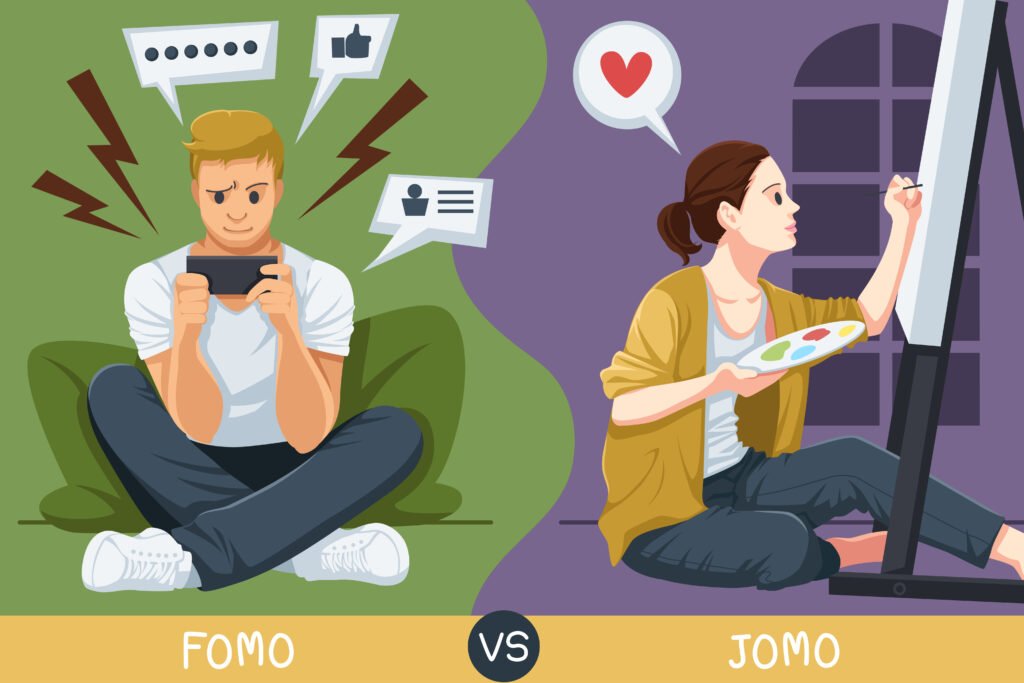
Main Character Syndrome vs. Healthy Confidence
The distinction between confidence and excessive self-focus is important.
A confident person can recognize their strengths while still appreciating other people’s contributions. They can celebrate personal achievements without needing everyone else to feel less important.
A person who consistently adopts a main-character mindset may instead place excessive importance on their own experiences.
| Healthy self-focus | Potentially unhealthy self-focus |
|---|---|
| Sets personal goals | Expects everyone to support personal goals |
| Enjoys attention occasionally | Needs constant validation |
| Celebrates achievements | Feels superior because of achievements |
| Expresses personal opinions | Dismisses opposing perspectives |
| Enjoys romanticizing life | Treats life as a performance for others |
| Has healthy boundaries | Expects special treatment |
| Notices personal emotions | Struggles to notice others’ emotions |
The key issue is balance. Taking yourself seriously does not require treating everyone else as secondary.
Why Does Main Character Syndrome Happen?
There is no single explanation for why someone develops strong self-focused habits.
Several factors can contribute to the way people understand themselves and their social environment.
Social Media and Online Culture
Social media encourages people to construct public versions of themselves. Profiles often highlight achievements, attractive moments, vacations, celebrations, and exciting experiences.
When someone repeatedly consumes this type of content, everyday life can start to feel like something that should be documented or performed.
Algorithms can reinforce this behavior by rewarding content that attracts attention.
The Desire for Recognition
People naturally want to feel valued and noticed.
If someone feels overlooked in their personal or professional life, they may become especially focused on proving their importance. Social media can provide immediate feedback, which may temporarily satisfy that need.
Personal Insecurity
Excessive self-presentation can sometimes be connected to insecurity.
Someone who constantly needs reassurance may focus heavily on how others perceive them. They may spend considerable energy trying to appear successful, attractive, interesting, or important.
This does not mean that self-focused behavior always comes from insecurity. Human behavior is complex, and different people can display similar behaviors for very different reasons.
Imagination and Personality
Some people naturally have vivid imaginations and enjoy storytelling. They may imagine conversations, future scenarios, fictional versions of their lives, or dramatic scenes.
Imagination itself is not unhealthy.
The important distinction is whether the person can move comfortably between imagination and real-life responsibilities.
Is Main Character Syndrome a Mental Health Disorder?
No. Main character syndrome is not an official psychiatric diagnosis.
The phrase is primarily a social-media and popular-culture expression. It should not be used as a substitute for professional assessment.
Some behaviors associated with the phrase may overlap with traits seen in different psychological conditions, but that does not mean someone with those behaviors has a particular disorder.
It is better to focus on the actual behavior and its impact.
For example, asking “Am I paying attention to other people’s needs?” is generally more useful than trying to diagnose yourself based on an internet trend.
If persistent self-focused behavior is causing serious relationship difficulties, emotional distress, or problems at work or school, speaking with a qualified mental health professional can provide more appropriate guidance.
How to Avoid an Unhealthy Main Character Mindset
You do not need to stop feeling confident or enjoying your life. Instead, the goal is to maintain self-awareness while developing stronger awareness of the people around you.
Practice Active Listening
When someone talks to you, resist the urge to immediately compare their experience with your own.
Instead:
- Listen without planning your response
- Ask follow-up questions
- Notice their emotions
- Give them room to finish
- Avoid turning every story into your own story
Being genuinely interested in someone else’s experience can strengthen relationships quickly.
Spend Less Time Comparing Yourself Online
Social media can make other people’s lives appear unusually exciting.
Remember that most platforms show selected moments rather than complete realities.
If you notice yourself constantly comparing your life with online personalities, consider taking regular breaks or changing the accounts you follow.
Celebrate Other People’s Success
A healthy sense of self does not require being the most successful person in the room.
Try celebrating a friend’s promotion, a family member’s achievement, or a coworker’s success without immediately comparing it with your own progress.
Other people’s achievements do not reduce your own value.
Ask for Honest Feedback
Trusted friends can sometimes notice patterns that you overlook.
You could ask someone you trust whether you tend to interrupt, dominate conversations, seek excessive attention, or overlook other people’s perspectives.
Honest feedback can be uncomfortable, but it can also be extremely useful.
Keep a Reality Check
It is perfectly fine to imagine your life as a story. Just remember that everyone around you is living their own story too.
The person sitting next to you on the bus, the coworker answering your email, and the friend who cancels plans may all have complicated experiences you know nothing about.
That perspective can make everyday interactions more compassionate.
Can “Main Character Energy” Be Positive?
Absolutely.
The popular idea of “main character energy” is often used positively. It can describe confidence, independence, personal growth, and the willingness to take ownership of your life.
For example, someone might decide to:
- Start pursuing a long-delayed goal
- Dress in a way that makes them feel confident
- Travel alone
- Develop healthier routines
- Leave an unhealthy situation
- Try a new hobby
- Stop worrying excessively about other people’s opinions
These behaviors can represent healthy self-direction.
The difference is that self-empowerment does not require self-importance.
You can take control of your own story while recognizing that everyone else is the main character in theirs.
Frequently Asked Questions

Is main character syndrome real?
The phrase is real as a popular internet expression, but it is not a recognized medical or psychological diagnosis. It is commonly used to describe excessive self-focus or, in a lighter sense, the habit of viewing life as a personal story.
Is main character syndrome narcissism?
Not necessarily. Main character syndrome is an informal phrase and should not be treated as another name for narcissism. Some behaviors may appear similar, such as excessive attention-seeking or self-importance, but the terms have different meanings and should not be used interchangeably.
Can main character syndrome be a good thing?
In its lighter form, yes. Romanticizing everyday life, pursuing personal goals, building confidence, and taking ownership of your choices can all be positive. Problems may arise when self-focus consistently comes at the expense of empathy or consideration for others.
How do I know if I have main character syndrome?
Look at patterns rather than isolated moments. Ask yourself whether you frequently need attention, dismiss other people’s perspectives, expect special treatment, or turn conversations back toward yourself. Feedback from trusted people can also provide useful perspective.
Does social media cause main character syndrome?
Social media may encourage behaviors associated with the term because platforms reward attention, personal branding, and carefully presented lifestyles. However, social media is only one possible influence, and there is no single cause behind self-focused behavior.
How can I become less self-centered?
Start by practicing active listening, asking questions about other people’s experiences, limiting unhealthy social comparison, and becoming more aware of how your behavior affects people around you. Small changes practiced consistently can improve social awareness.
Final Thoughts
Main character syndrome is best understood as a popular phrase rather than a medical condition. It can describe everything from harmlessly romanticizing everyday life to a more persistent pattern of excessive self-focus.
There is nothing wrong with being confident, pursuing your goals, or making your life feel meaningful. The healthier approach is to combine those qualities with empathy, humility, and genuine interest in other people.
You can be the main character in your own life without treating everyone else like background characters. In fact, recognizing that everyone has their own story may be one of the most valuable ways to build stronger relationships and a more balanced perspective.
Also Read : Morgan Freeman Nashville: His Tennessee Roots, Career Connection, and Nashville Appearances











Leave a Reply