


When money is transferred from one person or account to another, it moves electronically or through financial institutions instead of being exchanged as physical cash. Whether you’re paying bills, sending money to family, purchasing products online, or transferring funds between your own bank accounts, understanding how money transfers work can help you save both time and money.
For beginners, the process may seem confusing because there are multiple transfer methods, different fees, varying speeds, and security considerations. This guide explains everything you need to know about money transfers in simple language, helping you choose the right option for your needs.
What Does “Transferred” Mean in Money Transfer?
In financial terms, transferred means that funds are moved from one account, wallet, or financial institution to another.
The transfer may happen:
- Between two bank accounts
- From one person to another
- From a digital wallet to a bank account
- Between accounts owned by the same person
- Across different countries
Today, most transfers happen electronically, making the process faster, safer, and more convenient than handling cash.
Why People Transfer Money
Money transfers are part of everyday life. People use them for many different purposes.
Common reasons include:
- Paying rent or utility bills
- Sending money to family members
- Paying employees or freelancers
- Shopping online
- Splitting expenses with friends
- Saving money by moving funds between accounts
- International remittances
- Tuition or educational payments
As digital banking grows, electronic transfers have become the preferred payment method for millions of people worldwide.
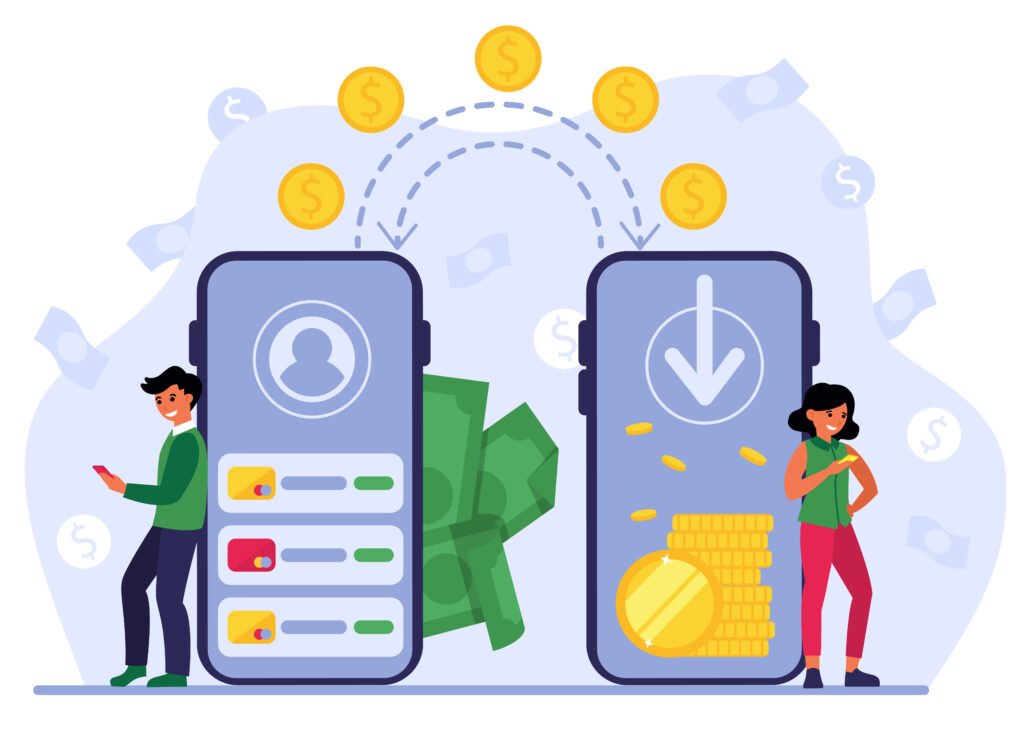
Different Types of Money Transfers
Not every transfer works the same way. The best option depends on how quickly the money needs to arrive, how much you’re sending, and where the recipient is located.
| Transfer Type | Best For | Typical Speed | Typical Cost |
|---|---|---|---|
| Bank Transfer | Everyday payments | Same day to 3 business days | Low or free |
| Wire Transfer | Large or urgent transfers | Minutes to 1 day | Moderate to high |
| Digital Wallet | Quick personal payments | Instant to a few hours | Usually free or low |
| International Transfer | Sending money abroad | 1–5 business days | Varies by provider |
| Internal Bank Transfer | Between your own accounts | Usually instant | Free |
How a Money Transfer Works
Although each financial institution has its own process, most money transfers follow these basic steps:
1. Enter Recipient Information
You’ll need information such as:
- Name
- Bank account details
- Mobile number or email (for some payment apps)
- Bank routing or identification information when required
2. Enter the Amount
Choose how much money you want to transfer.
Some services may have:
- Daily limits
- Monthly limits
- Minimum transfer amounts
3. Review Fees
Before confirming, check:
- Transfer fee
- Exchange rate (for international transfers)
- Any additional service charges
4. Confirm the Transfer
Once approved, the financial institution processes the payment and sends confirmation.
How Long Does a Money Transfer Take?
Transfer speed depends on the payment method.
Typical processing times include:
- Internal bank transfers: Instant
- Digital wallet payments: Seconds to a few hours
- Domestic bank transfers: Same day or 1–3 business days
- Wire transfers: Often within hours
- International transfers: 1–5 business days
Transfers made during weekends or public holidays may take longer to process.
Understanding Money Transfer Fees
One of the biggest mistakes beginners make is ignoring transfer costs.
Fees may include:
- Flat transaction fees
- Percentage-based charges
- Currency conversion fees
- Receiving bank charges
- Intermediary bank fees
Sometimes a service advertises “free transfers,” but the exchange rate includes hidden costs. Always compare the total amount the recipient will receive rather than focusing only on Transferred the transfer fee.
Factors That Affect Transfer Speed
Several things influence how quickly money is transferred.
These include:
- Banking hours
- Weekends and holidays
- Fraud or security verification
- Transfer amount
- Domestic versus international transfers
- Currency conversion requirements
Larger transactions may require additional verification before processing.
Tips to Save Money on Transfer Fees
If you transfer money regularly, small savings can add up over time.
Here are some practical tips:
- Compare different transfer providers.
- Avoid unnecessary expedited services.
- Send larger amounts less frequently if appropriate.
- Double-check exchange rates.
- Use providers with transparent pricing.
- Check whether your bank offers free internal transfers.
Being informed helps reduce unnecessary expenses.
How to Transfer Money Safely
Security should always be a priority when sending money.
Follow these best practices:
- Verify recipient details before sending.
- Enable two-factor authentication.
- Never share verification codes.
- Avoid using public Wi-Fi for financial transactions.
- Monitor your account regularly.
- Keep banking apps updated.
- Only use trusted financial institutions.
Remember that many transfers cannot be reversed after they have been completed.
Common Mistakes Beginners Make
Avoiding these common errors can prevent delays and financial loss.
Sending Money to the Wrong Account
Even one incorrect digit can cause problems.
Always review account information before confirming.
Ignoring Transfer Fees
Low fees don’t always mean better value.
Compare the final amount the recipient receives.
Forgetting Processing Times
Urgent payments should use faster transfer methods.
Don’t assume every transfer is instant.
Not Checking Exchange Rates
For international transfers, exchange rates can significantly affect the final amount delivered.
Domestic vs. International Money Transfers
Understanding the difference helps you choose the right service.
Domestic Transfers
These occur within the same country.
Benefits include:
- Faster processing
- Lower fees
- Fewer verification requirements
International Transfers
These move money between different countries.
They often involve:
- Currency conversion
- Additional compliance checks
- Higher fees
- Longer processing times
When Should You Use a Wire Transfer?
Wire transfers are useful when:
- Large amounts are involved.
- Speed is important.
- Business payments must arrive quickly.
- Real estate transactions require immediate settlement.
However, wire transfers generally cost more than standard electronic transfers.

Signs of a Reliable Money Transfer Service
Before choosing a provider, look for:
- Strong security measures
- Transparent fees
- Good customer support
- Fast processing times
- Positive customer reputation
- Easy-to-use mobile app or website
- Clear transfer tracking
Choosing a trusted provider reduces the risk of delays and fraud.
Frequently Asked Questions
1. What does “transferred” mean in banking?
It means money has been moved electronically from one account or person to another through a financial institution or payment service.
2. Are online money transfers safe?
Yes. Transfers are generally safe when you use reputable financial institutions, verify recipient details, and enable security features such as two-factor authentication.
3. Why do some transfers take longer?
Processing time depends on banking hours, weekends, holidays, security checks, transfer method, and whether the payment is domestic or international.
4. Can I cancel a money transfer?
It depends on the service. Some transfers can be canceled before processing begins, while completed transfers may be irreversible.
5. Which transfer method is usually the cheapest?
Internal bank transfers and many domestic electronic transfers are often free or have very low fees. Costs vary depending on your financial institution and transfer method.
6. What information do I need to send money?
Most transfers require the recipient’s name and account details. Some digital payment services only require an email address or mobile number linked to the recipient’s account.
Final Thoughts
Money being transferred from one account to another has become an essential part of modern financial life. Whether you’re paying bills, helping family members, or managing your own finances, understanding how transfers work makes the process simpler and more secure.
For beginners, the key is to compare fees, understand processing times, verify recipient information carefully, and choose trusted financial providers. By taking these simple steps, you can complete money transfers confidently while minimizing costs and avoiding common mistakes.
As digital payment technology continues to evolve, money transfers are becoming faster, more convenient, and increasingly secure, making them an indispensable tool for everyday financial management.
Also Read: 250+ Raccoon Names: Cute, Funny, Cool, and Unique Ideas for Your Clever Companion











Leave a Reply