

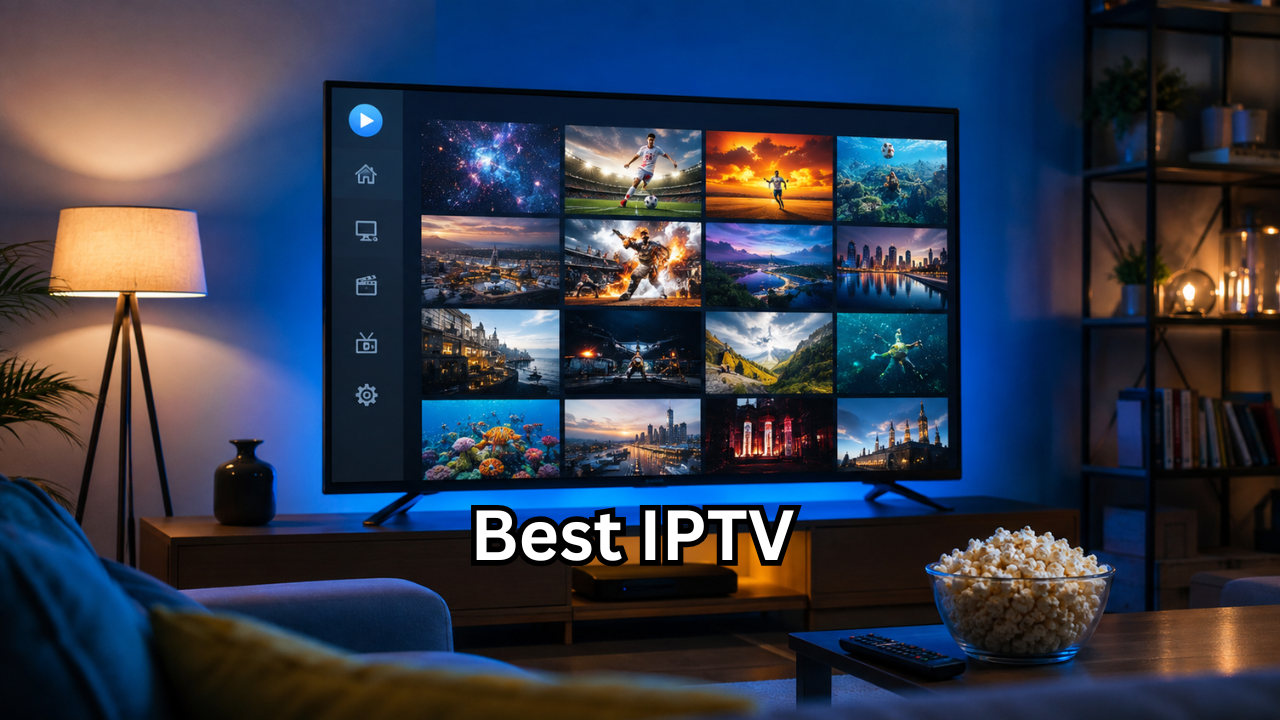
Finding the best IPTV service can be confusing because there are countless providers, packages, apps, and subscription plans competing for attention. Some promise thousands of live channels, premium sports, movies, international content, and affordable pricing. However, not every IPTV service offers the same quality, reliability, security, or legal access to content.
IPTV, short for Internet Protocol Television, delivers television programming through an internet connection instead of relying exclusively on traditional cable, satellite, or terrestrial broadcasting. The technology has become increasingly popular because it gives viewers more flexibility over how and where they watch television.
But choosing a good IPTV option requires more than looking at the number of channels advertised. Streaming quality, device compatibility, customer support, privacy, content rights, and subscription terms can all make a major difference.
This guide explains what to look for when comparing IPTV services and how to choose an option that fits your streaming needs.
What Is IPTV?
IPTV stands for Internet Protocol Television. Instead of receiving television signals through traditional broadcasting infrastructure, IPTV delivers video content over an internet connection.
The technology can support different types of programming, including:
- Live television channels
- Movies and television shows
- Sports programming
- News channels
- International channels
- On-demand content
- Catch-up television
- Recorded programming
IPTV can be accessed through compatible smart TVs, streaming devices, computers, smartphones, tablets, and other supported hardware.
The important distinction is that IPTV describes the delivery technology, not whether a particular service is legal or illegal. A legitimate IPTV provider should have the appropriate rights or licenses for the content it distributes.
Why Are IPTV Services So Popular?
Traditional television often requires viewers to commit to large channel packages. IPTV can provide a more flexible alternative, particularly for people who prefer watching content across multiple devices.
One major advantage is convenience. A compatible IPTV service can allow users to watch television at home or on supported mobile devices, depending on the provider’s terms.
Another benefit is variety. IPTV platforms may combine live channels with on-demand programming, giving users more ways to find something to watch.
People may also consider IPTV because of:
- Flexible viewing options
- Support for multiple devices
- International programming
- On-demand libraries
- Electronic program guides
- Potentially customizable packages
- Internet-based accessibility
However, these advantages depend heavily on the provider. A poorly operated service can suffer from buffering, outages, unreliable applications, or weak customer support.

What Makes the Best IPTV Service?
There is no single IPTV service that is automatically the best choice for everyone. The right option depends on what you watch, which devices you use, your location, and your budget.
When comparing providers, consider the following factors.
1. Legal Content Availability
The first consideration should always be content licensing.
A provider may advertise an enormous number of channels at an unusually low price. That does not necessarily mean the service has legitimate distribution rights.
Before subscribing, check whether the provider clearly explains where its content comes from and whether it is authorized to distribute the channels and programs it offers.
Avoid services that encourage unauthorized access, make suspicious promises, or provide no meaningful information about their content rights.
2. Streaming Quality
Picture quality is another important factor when choosing IPTV.
A service may advertise HD, Full HD, or 4K streams, but advertised resolution does not guarantee a smooth viewing experience. Your internet connection, the provider’s infrastructure, server capacity, and video compression can all affect performance.
A reliable service should provide consistent playback rather than frequent buffering or sudden quality drops.
3. Channel Selection
A large channel list can look impressive, but quantity should not be the only deciding factor.
Think about the channels you actually watch. A smaller package with the channels you need may be more useful than thousands of channels that you never open.
Look for relevant categories such as:
- Local television
- News
- Sports
- Entertainment
- Movies
- Kids’ programming
- Documentary channels
- International programming
4. Device Compatibility
Before purchasing an IPTV subscription, confirm that the service works with your preferred device.
Depending on the provider, IPTV may support platforms such as:
- Smart TVs
- Android TV devices
- Streaming boxes
- Smartphones
- Tablets
- Windows computers
- macOS computers
- Web browsers
Some providers require their own application, while others work through compatible third-party IPTV players.
5. Electronic Program Guide
An Electronic Program Guide, commonly called an EPG, can make live television much easier to navigate.
Instead of scrolling through channel names without context, an EPG can display program schedules and information about upcoming broadcasts.
For viewers who watch a lot of live television, a well-organized guide can significantly improve the experience.
6. Customer Support
Even a good IPTV platform can occasionally experience technical problems. That makes customer support an important consideration.
Look for providers that clearly explain how customers can contact support.
Useful support options may include:
- Email assistance
- Online support tickets
- Help centers
- Setup guides
- Troubleshooting documentation
- Live chat, when available
Be cautious if a provider makes it difficult to find contact information before purchasing.
Best IPTV Features to Compare
When comparing different IPTV options, it helps to evaluate services using the same criteria rather than relying on promotional claims.
| Feature | What to Look For | Why It Matters |
|---|---|---|
| Content rights | Clear licensing information | Helps you choose a legitimate service |
| Video quality | Stable HD or higher where available | Improves viewing experience |
| Reliability | Consistent uptime | Reduces interruptions |
| Device support | Your preferred devices | Makes setup easier |
| EPG | Accurate program schedules | Simplifies channel navigation |
| Customer support | Accessible assistance | Helps resolve technical issues |
| Pricing | Transparent subscription terms | Avoids unexpected costs |
| Privacy | Clear data practices | Protects personal information |
| App experience | Easy-to-use interface | Makes daily viewing simpler |
This type of comparison can help separate genuinely useful services from providers that mainly rely on impressive advertising.
IPTV vs Traditional Cable and Satellite TV
IPTV differs from traditional television mainly in how content is delivered.
Cable television generally relies on cable infrastructure, while satellite television uses satellite transmission. IPTV uses internet connectivity to deliver video content.
This difference can provide IPTV users with greater flexibility, particularly when compatible devices and applications are available.
However, IPTV also depends on a stable internet connection. If your internet service is unreliable, your streaming experience may suffer.
Traditional television services can also offer advantages such as established customer support, bundled services, and predictable infrastructure.
The best choice ultimately depends on your viewing habits and the services available in your region.
How Much Internet Speed Does IPTV Need?
The required internet speed depends on the quality of the video stream and the number of devices using the connection.
A basic stream may require considerably less bandwidth than a high-resolution 4K stream. Other household activities, such as video calls, online gaming, downloads, and cloud backups, can also compete for bandwidth.
For a smoother experience:
- Use a stable broadband connection.
- Connect your streaming device through Ethernet when practical.
- Use a strong Wi-Fi signal if Ethernet is unavailable.
- Avoid unnecessary downloads while streaming.
- Make sure your router is positioned appropriately.
- Consider the needs of other people using the same connection.
Remember that higher advertised internet speed does not automatically guarantee perfect IPTV performance. The streaming provider’s servers and network quality also matter.
How to Choose the Best IPTV for Your Needs
The best approach is to start with your own requirements rather than choosing the provider with the longest channel list.
Ask yourself a few simple questions.
What do I watch most?
If you mainly watch sports, prioritize legitimate access to the sports networks and competitions you follow. If you prefer movies and entertainment, focus on the available content library.
Which devices will I use?
Check compatibility before purchasing. A service that works perfectly on one platform may not provide the same experience on another.
Do I need international channels?
If you watch programming from another country, verify that the provider legally offers the specific channels and regions you need.
How important is reliability?
For live sports and news, stability can matter more than having an enormous channel list.
What is my budget?
Compare the total subscription cost rather than focusing only on an attractive introductory price.
Warning Signs to Watch For
The IPTV market includes legitimate providers as well as questionable services. Knowing the warning signs can help you make a safer decision.
Be cautious about services that:
- Promise virtually every premium channel for an extremely low price.
- Refuse to explain content licensing.
- Require unusual payment methods without clear business information.
- Have no identifiable customer support.
- Use misleading claims about guaranteed access.
- Ask for unnecessary personal information.
- Frequently change domains or contact details.
- Offer suspiciously large channel lists without meaningful details.
An attractive price is not necessarily a good deal if the service is unreliable or unauthorized.
IPTV Security and Privacy Tips
Streaming services can involve account information, payment details, email addresses, and device data. For that reason, privacy should be considered before subscribing.
Use strong, unique passwords for IPTV accounts and avoid sharing login details publicly.
Only install applications from trustworthy sources whenever possible. Unofficial applications can create additional security and privacy risks.
It is also a good idea to read the provider’s privacy policy before creating an account. Look for information about what data is collected, how it is used, and whether it is shared with third parties.
If a website asks for excessive personal information that has nothing to do with providing the service, consider that a warning sign.
Common Mistakes When Choosing IPTV
Many users make the same mistakes when comparing IPTV services.
One common mistake is choosing based entirely on channel quantity. More channels do not necessarily mean better service.
Another mistake is ignoring device compatibility. Before paying, confirm that the provider supports your television, streaming device, or mobile platform.
Some users also overlook subscription terms. Check whether the subscription renews automatically, whether refunds are available, and what happens if the service becomes unavailable.
Finally, do not assume that an extremely cheap service is automatically the best IPTV option. Reliability, legality, security, and customer service can be much more valuable than a low monthly price.

Frequently Asked Questions
Is IPTV legal?
IPTV technology itself is legal. The important issue is whether the provider has permission to distribute the content it offers. Legitimate IPTV services obtain the necessary rights or licenses, while unauthorized services may distribute copyrighted programming without permission.
Is IPTV better than cable?
It depends on your preferences. IPTV can provide flexible internet-based viewing and compatibility with multiple devices, while cable may offer established infrastructure and bundled services. Compare the channels, reliability, price, and features that matter most to you.
Can I watch IPTV on a smart TV?
Many IPTV services support smart TVs, but compatibility varies by provider and television platform. Always check the provider’s official device requirements before subscribing.
Does IPTV require fast internet?
IPTV requires a stable internet connection, and higher-resolution streams generally require more bandwidth. Your household’s other internet activity can also affect streaming performance.
What should I check before buying IPTV?
Check content licensing, channel availability, video quality, device compatibility, pricing, customer support, privacy practices, and subscription conditions. Avoid providers that make suspicious claims or provide little information about their service.
Is a larger channel list always better?
No. A huge channel list does not guarantee quality or reliability. It is usually better to choose a legitimate service that offers the channels and features you actually need.
Final Thoughts
Choosing the best IPTV service is about much more than finding the provider with the cheapest subscription or the largest channel list. A better decision comes from looking at the complete package: legitimate content, reliable streaming, useful features, device compatibility, transparent pricing, privacy, and customer support.
Take time to compare your options before subscribing. Check what channels are genuinely available, confirm compatibility with your devices, understand the subscription terms, and make sure the provider has appropriate rights to distribute its content.
IPTV can be a convenient way to watch television when it is provided responsibly and used with a reliable internet connection. By focusing on quality, legality, security, and value rather than marketing promises alone, you can make a more informed choice and enjoy a better streaming experience
Also Read : Rap Lyrics: How to Write Powerful, Memorable, and Meaningful Bars







Leave a Reply