

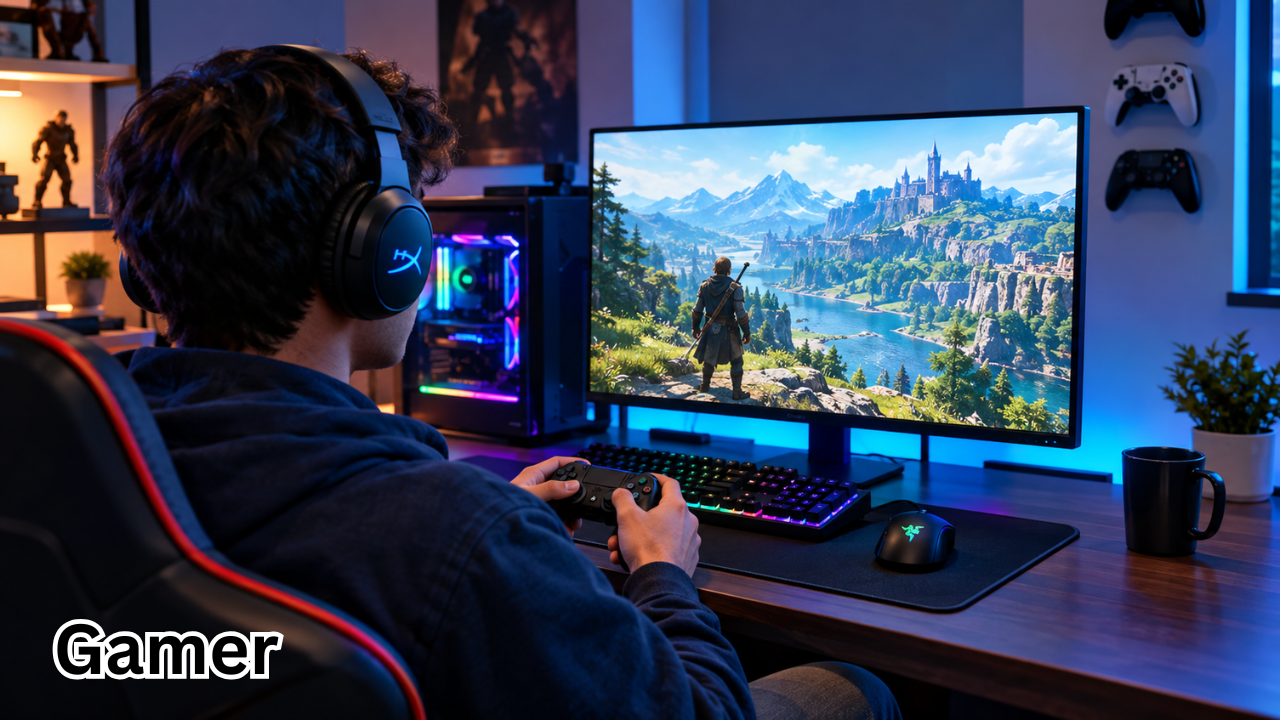
Gaming has grown far beyond a simple way to pass the time. Today, a gamer can be someone who enjoys casual mobile games during a lunch break, a competitive player who spends hours mastering an esports title, or a fan who follows gaming communities, streams, and new releases.
The word “gamer” covers a remarkably broad group of people. Gamers have different interests, platforms, skill levels, and reasons for playing. Some enjoy immersive stories, while others love competition, exploration, strategy, or simply relaxing after a busy day.
As gaming continues to evolve, understanding what it means to be a gamer also means looking at the technology, communities, habits, and experiences that shape modern gaming.
What Is a Gamer?
A gamer is generally a person who plays video games. The term can describe someone who plays occasionally as well as someone who considers gaming a major hobby or passion.
Gamers can play on many different devices, including:
- Gaming PCs
- PlayStation and Xbox consoles
- Nintendo systems
- Smartphones and tablets
- Handheld gaming devices
- Cloud gaming platforms
There is no single type of gamer. One person might prefer relaxing puzzle games, while another may spend years developing skills in competitive multiplayer games.
The variety of gaming experiences is one reason the gaming community has become so diverse.
Different Types of Gamers
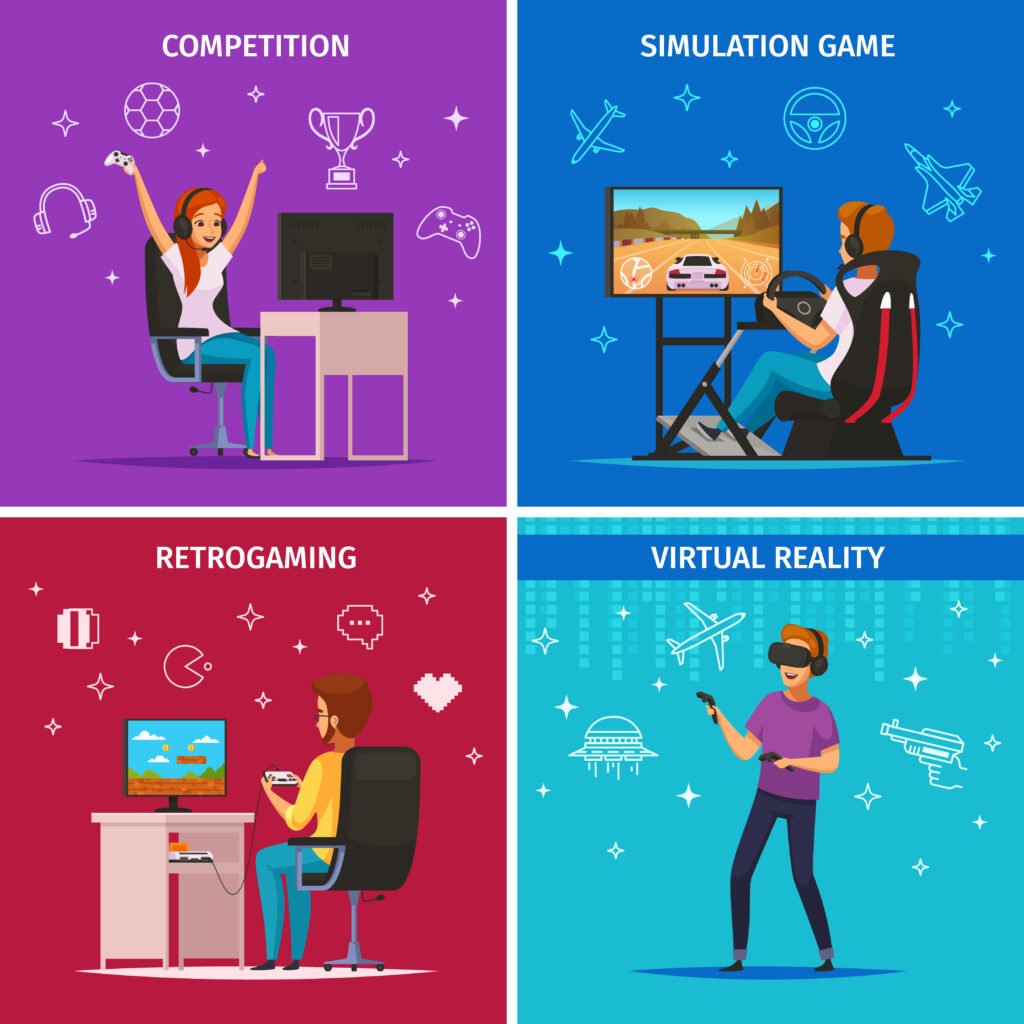
The modern gaming world includes many styles of players. While these categories are not official labels, they help explain the different ways people enjoy games.
Casual Gamers
Casual gamers usually play for relaxation and entertainment. They may not play every day or follow gaming news closely.
Mobile games are particularly popular with casual players because they are easy to access and can often be played in short sessions.
Competitive Gamers
Competitive gamers focus heavily on improving their performance. They may practice specific mechanics, study strategies, and compete against other players.
Competitive gaming can involve titles from genres such as:
- First-person shooters
- Fighting games
- Multiplayer online battle arenas
- Strategy games
- Sports games
- Racing games
For serious competitors, small improvements in reaction time, decision-making, communication, and game knowledge can make a meaningful difference.
Story-Focused Gamers
Some players are primarily interested in storytelling. They enjoy games with memorable characters, detailed worlds, emotional narratives, and meaningful choices.
For these gamers, a game can feel closer to an interactive movie or novel, except that the player directly participates in the experience.
Social Gamers
Social gamers enjoy playing with friends, family members, or online communities.
For them, the social experience can be just as important as the game itself. Multiplayer games provide opportunities to communicate, cooperate, compete, and build friendships.
Hardcore or Dedicated Gamers
Dedicated gamers tend to spend significant amounts of time playing and learning about games. They may invest in specialized hardware, follow industry announcements, watch gaming content, and participate actively in online communities.
However, being a dedicated gamer does not necessarily mean playing constantly. Passion for gaming can also involve collecting games, discussing them, creating content, or following esports.
Popular Gaming Platforms
The platform a gamer chooses often depends on budget, preferred games, portability, performance requirements, and personal preference.
| Platform | Common Strengths | Often Suited For |
|---|---|---|
| Gaming PC | Customization, performance, large game library | Competitive and enthusiast gamers |
| PlayStation | Exclusive titles and console experience | Story and console-focused players |
| Xbox | Console gaming and subscription services | Multiplayer and general gaming |
| Nintendo | Family-friendly and exclusive franchises | Casual and social gamers |
| Mobile | Convenience and accessibility | Casual gaming |
| Handhelds | Portable gaming | Players who want flexibility |
Each platform has its own advantages. There is no universal setup that works for every gamer.
What Makes Someone a Good Gamer?
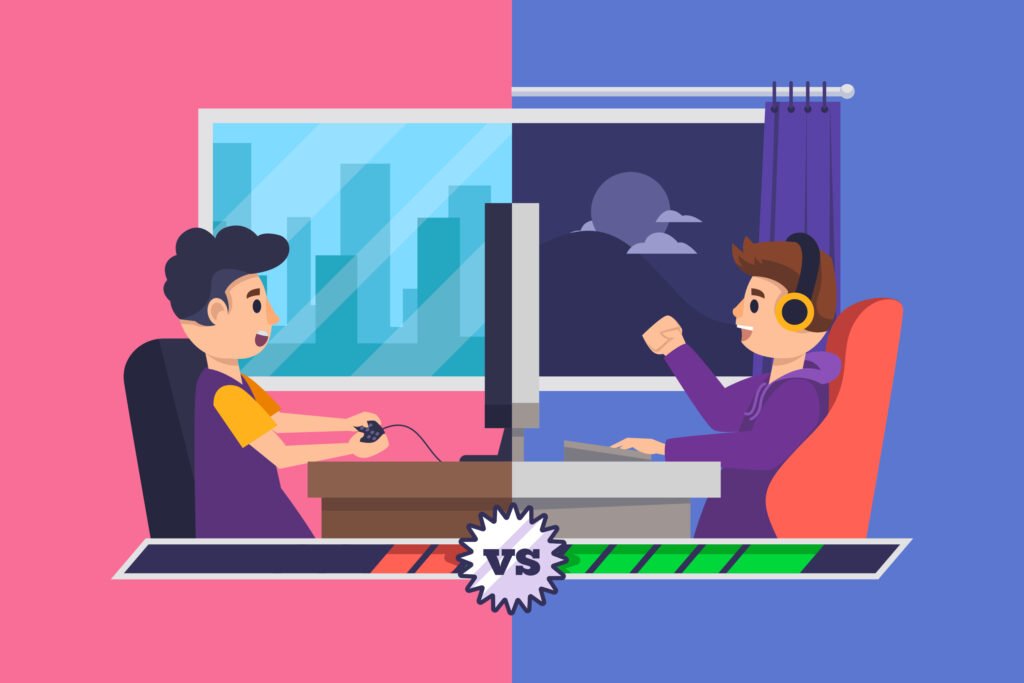
Being good at games is not simply about having fast reflexes. Different genres require different combinations of skills.
A competitive gamer, for example, may need strong hand-eye coordination and quick decision-making. A strategy player may benefit more from planning, resource management, and patience.
Important gaming skills can include:
- Reaction speed
- Strategic thinking
- Problem-solving
- Communication
- Spatial awareness
- Concentration
- Adaptability
- Teamwork
- Patience
One of the most useful qualities is the willingness to learn from mistakes.
Losing a match or failing a difficult level is part of gaming. Players who analyze what went wrong can gradually improve instead of becoming frustrated by every setback.
Building a Comfortable Gaming Setup
A good gaming setup does not have to be expensive. Comfort and reliability often matter more than having the newest equipment.
A basic setup might include a suitable gaming device, comfortable seating, a reliable display, headphones, and a controller or keyboard and mouse.
For PC gamers, other components can become important depending on the type of games being played.
A practical setup should consider:
- Comfortable posture
- Adequate lighting
- Stable internet
- A suitable screen
- Comfortable controls
- Good audio
- Sufficient ventilation
- Organized cables
Gamers who spend extended periods at a desk should also pay attention to ergonomics. Adjusting the chair, monitor height, keyboard position, and desk arrangement can make gaming sessions more comfortable.
Why Gaming Has Become So Social
Gaming used to be associated primarily with playing alone or with people sitting in the same room. Online connectivity has changed that experience dramatically.
Today, gamers can communicate with players from different countries, join communities, watch live streams, and participate in gaming events without leaving home.
Multiplayer gaming can encourage teamwork because players often need to coordinate their actions to achieve a common goal.
Gaming communities can also develop around specific games, genres, creators, or esports teams. Forums, social platforms, voice chats, and streaming services have made it easier for players to share experiences.
Gaming and Content Creation
Gaming is no longer limited to playing games. Many gamers also create content.
Popular forms of gaming content include:
- Live streams
- Game reviews
- Tutorials
- Gameplay videos
- Guides
- Short-form clips
- Gaming podcasts
- News and commentary
Content creation can turn gaming knowledge into an opportunity to build an audience. However, creating successful gaming content usually requires consistency, creativity, communication skills, and an understanding of what viewers want.
A creator does not necessarily need the most expensive equipment to begin. Clear audio, useful content, and an authentic personality can be more valuable than having a complicated setup.
The Importance of Healthy Gaming Habits
Gaming can be an enjoyable hobby, but balance matters.
Long gaming sessions without breaks can lead to discomfort, tiredness, and reduced concentration. A gamer can improve the overall experience by developing healthy habits.
Useful habits include:
- Taking regular breaks
- Staying hydrated
- Maintaining a reasonable sleep schedule
- Adjusting the screen for comfortable viewing
- Moving around between sessions
- Keeping gaming time balanced with other responsibilities
- Using appropriate volume levels
The goal is not to avoid gaming. It is to make gaming fit comfortably into a broader lifestyle.
How to Improve as a Gamer
Improvement usually comes from deliberate practice rather than simply playing for longer.
Instead of repeating the same mistakes, try to identify specific areas that need attention.
For example, a player might focus on improving aiming, movement, map knowledge, resource management, or communication.
A useful improvement routine can include:
- Choose one skill to improve.
- Practice it consistently.
- Review mistakes after matches.
- Learn from experienced players.
- Avoid changing too many things at once.
- Track progress over time.
Patience is important. Skill development rarely happens overnight.
Choosing the Right Games
With thousands of games available, finding something enjoyable can be challenging.
Start by thinking about what type of experience you want.
If you want relaxation, puzzle, simulation, or casual games may be suitable. If you enjoy competition, multiplayer or esports-focused titles could be more appealing.
Players who love exploration might prefer open-world or adventure games, while those who enjoy storytelling may want narrative-driven experiences.
It can also help to consider:
- Your available gaming platform
- Your budget
- How much time you have
- Whether you prefer single-player or multiplayer
- Your preferred genre
- Whether friends play the same games
The best game is ultimately one that fits your interests and circumstances.
The Future of the Gamer Experience
Gaming technology continues to change. Improvements in graphics, artificial intelligence, cloud infrastructure, virtual reality, handheld hardware, and online services are influencing how games are developed and played.
Cloud gaming may make high-quality games more accessible on different devices, while virtual and mixed-reality technologies can create more immersive experiences.
At the same time, gaming communities are likely to remain an important part of the experience. Players increasingly interact with games through social spaces, livestreams, tournaments, and user-generated content.
The definition of a gamer may continue expanding as these technologies become more common.
Frequently Asked Questions About Gamers
What is a gamer?
A gamer is a person who plays video games. The term can describe casual players, competitive players, enthusiasts, and people who participate in gaming communities or content creation.
Do you need an expensive gaming PC to be a gamer?
No. Gaming can take place on smartphones, consoles, handheld systems, and computers. The right platform depends on the games you enjoy and your personal budget.
What skills can gamers develop?
Depending on the game, players can practice skills such as problem-solving, strategic thinking, teamwork, communication, coordination, concentration, and decision-making.
How many hours should a gamer play each day?
There is no single number that applies to everyone. A healthy approach is to balance gaming with sleep, physical activity, work or school, social activities, and other responsibilities. Regular breaks can also make longer sessions more comfortable.
Can gaming become a career?
Yes. Gaming-related careers can include professional esports, game development, streaming, content creation, game testing, journalism, coaching, and other technology or media roles. However, these careers require different skills and levels of commitment.
How can a gamer improve their skills?
Focus on specific weaknesses, practice consistently, learn from experienced players, review mistakes, and remain patient. Improvement usually comes from focused practice rather than simply increasing playtime.
Final Thoughts
Being a gamer means different things to different people. For some, gaming is a quick source of entertainment. For others, it is a competitive pursuit, creative outlet, social activity, or serious hobby.
Modern gaming offers an enormous range of experiences across PCs, consoles, mobile devices, and handheld systems. Players can explore fictional worlds, compete with others, solve complex challenges, experience interactive stories, or simply spend time with friends.
The most important part is finding a style of gaming that fits your interests and lifestyle. With the right balance, gaming can remain an enjoyable and engaging form of entertainment while also providing opportunities to learn, connect, create, and improve.
Also Read : Bookstore Near Me: How to Find the Best Local Bookshop for Your Reading Needs









Leave a Reply