

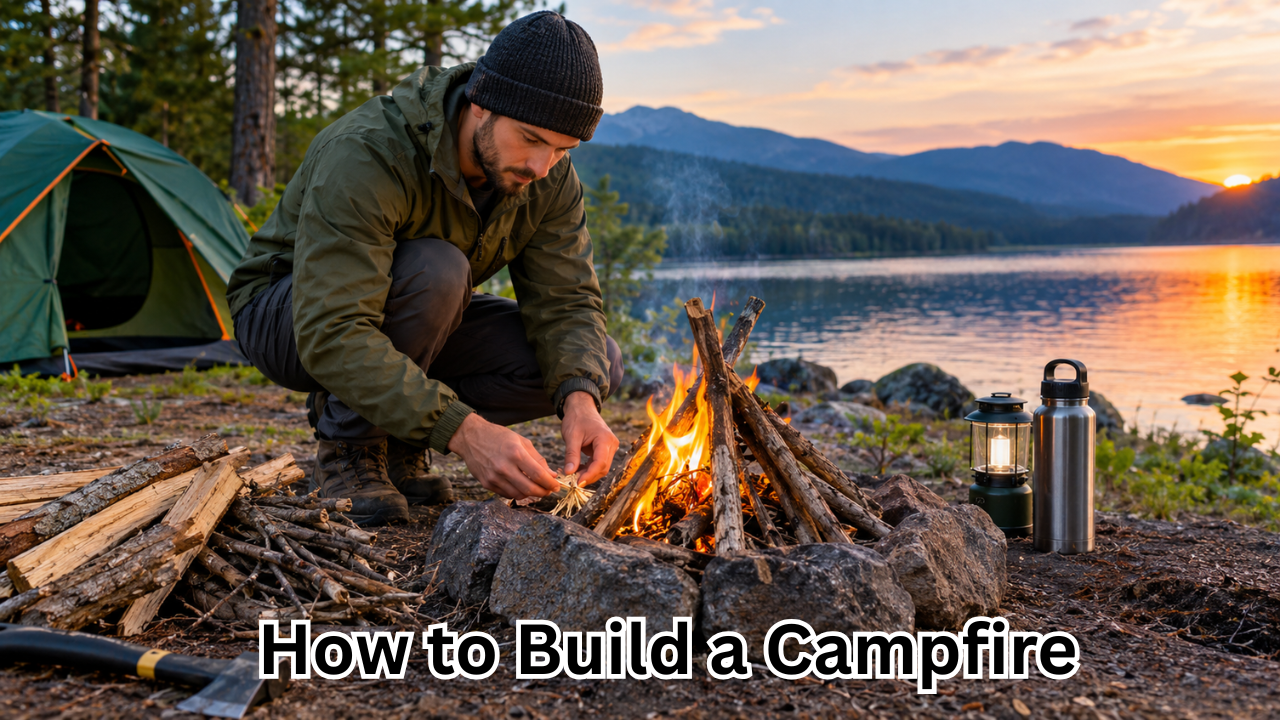
Knowing how to build a campfire is one of the most useful outdoor skills you can learn. A well-built fire can provide warmth, light, and a comfortable place to cook while making a camping trip feel more enjoyable. However, building a campfire is not simply a matter of putting wood into a pile and lighting it.
A successful campfire requires the right location, suitable fuel, good airflow, and careful preparation. Just as importantly, every fire should be built and managed responsibly to reduce the risk of spreading flames or damaging the surrounding environment.
Whether you are preparing for your first camping trip or want to improve your outdoor skills, learning the basics can make the process much easier.
This guide explains how to build a campfire step by step, what materials you need, which fire structures work well, common mistakes to avoid, and how to put a fire out safely.
What You Need to Build a Campfire
Before lighting anything, gather your materials. Having everything ready beforehand makes it easier to control the fire and prevents you from leaving a burning fire unattended while searching for more wood.
The basic materials include:
- Tinder: Small, dry materials that catch fire easily.
- Kindling: Small sticks that burn longer than tinder and help develop the initial flame.
- Firewood: Larger, dry pieces of wood that provide sustained heat.
- Matches or a lighter: A reliable way to start the fire.
- Water: Essential for extinguishing the campfire.
- A shovel or similar tool: Useful for spreading ashes and soil when putting out the fire.
Good tinder can include dry leaves, small pieces of dry bark, untreated paper, or commercially available fire starters. Kindling should generally consist of thin, dry twigs and small sticks.
For firewood, choose dry wood that is permitted at your campsite. In many areas, collecting wood from the surrounding forest is discouraged or prohibited because it can damage the environment. Buying or gathering approved firewood according to local rules is usually the better choice.
Choose the Right Location
The location of your campfire is just as important as the fire itself.
If your campsite already has an established fire ring or fire pit, use it rather than creating a new one. Existing fire areas reduce the impact on the surrounding ground and provide a safer place for containing flames.
If fires are permitted and no established pit exists, choose a clear area away from anything that could easily catch fire.
Keep the fire well away from:
- Tents and camping equipment
- Dry grass and leaves
- Low tree branches
- Bushes and shrubs
- Overhanging vegetation
- Vehicles and other equipment
Avoid building a fire during conditions that make it difficult to control, such as extremely dry or windy weather. Always check local fire restrictions before starting one.
Prepare the Fire Area
Once you have selected an appropriate location, prepare the area before lighting the fire.
Remove loose leaves, grass, pine needles, and other flammable materials around the fire pit. If an established fire ring is available, make sure it is free of excessive debris.
Keep water nearby from the beginning. This is an important habit because you should never wait until the fire is burning strongly before thinking about how you will extinguish it.
A clear area and an accessible water supply give you more control if the fire behaves unexpectedly.
How to Build a Campfire Step by Step
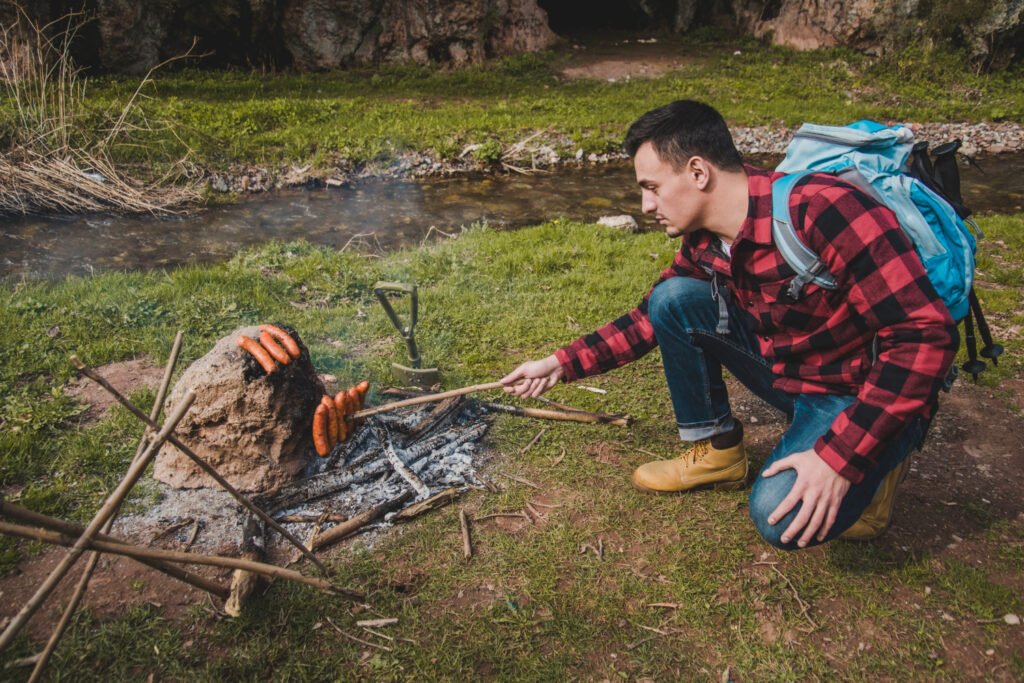
The basic principle behind building a campfire is simple: start small and gradually increase the size of the fuel.
1. Start With Tinder
Place a small amount of dry tinder in the center of the fire pit.
Do not pack it too tightly. A fire needs oxygen to burn, and loosely arranged tinder allows air to circulate.
Make a small pile that is easy to ignite but large enough to help the flame spread to the kindling.
2. Add Kindling
Arrange small, dry sticks over the tinder.
You can place the kindling in a loose structure that allows air to reach the center. Avoid placing large pieces of wood on top at this stage because they can smother a small flame before it becomes established.
The goal is to create a gradual transition from tinder to larger fuel.
3. Light the Tinder
Light the tinder from several accessible points if appropriate, while keeping your hands and clothing away from the flame.
Once the tinder begins burning, watch how the flame moves toward the kindling. Do not immediately add large logs.
Patience is one of the most important parts of learning how to build a campfire.
4. Add Larger Firewood Gradually
When the kindling is burning steadily, begin adding larger pieces of dry firewood.
Leave enough space between the pieces for air to circulate. A common mistake is adding too much wood at once, which can restrict airflow and cause the fire to weaken.
Continue adding wood gradually as the fire develops.
5. Maintain the Fire
Once the fire is established, keep it at a manageable size.
You do not need a huge fire to stay warm or cook. A smaller, controlled fire is generally easier to manage and extinguish.
Add one or two pieces of wood when necessary instead of creating a large pile.
Never leave the campfire unattended, even if it appears to be burning slowly.
Popular Campfire Structures
Different arrangements of wood can be used depending on what you want from your fire.
| Campfire Structure | Best For | Main Advantage |
|---|---|---|
| Teepee | Beginners and quick starts | Good airflow and easy setup |
| Log cabin | Longer-lasting fires | Stable structure and steady burning |
| Lean-to | Wind protection | Simple and practical |
| Cross-stack | Longer burns | Encourages controlled airflow |
| Small mound fire | Basic warmth and cooking | Compact and manageable |
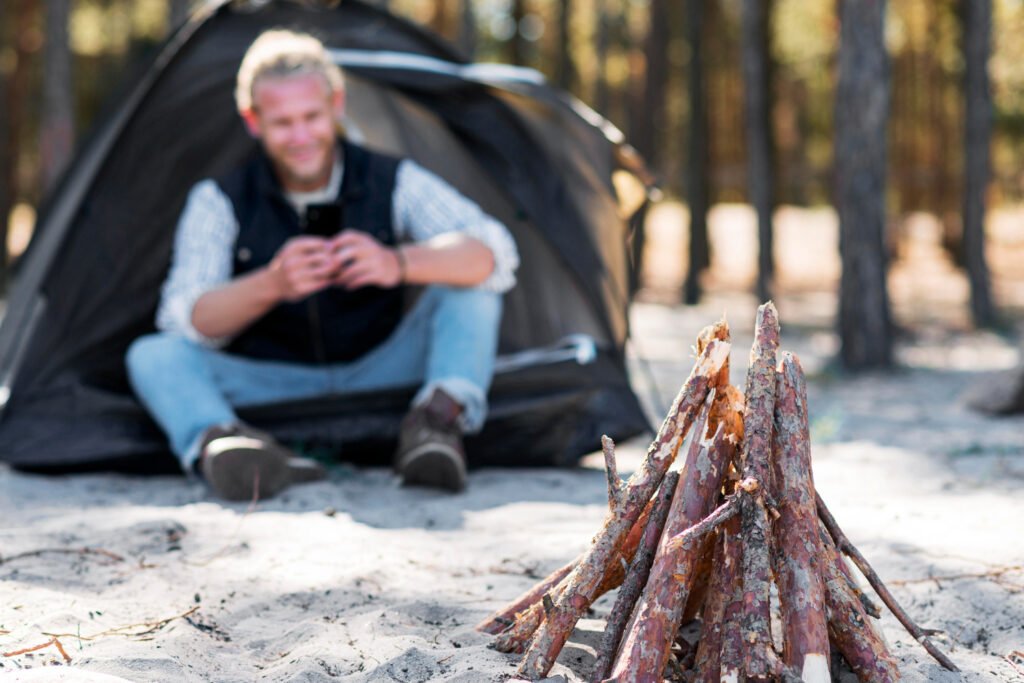
Teepee Fire
The teepee structure is one of the easiest designs for beginners.
Place tinder in the center and arrange small sticks around it, leaning them toward one another at the top. Leave an opening where air can enter and where you can light the tinder.
As the smaller materials catch, the flames spread upward and ignite progressively larger pieces.
Log Cabin Fire
A log cabin arrangement uses larger pieces of wood placed in alternating layers.
The structure creates an open center where tinder and kindling can burn while allowing air to circulate. It can be useful when you want a stable fire that burns for longer periods.
Lean-To Fire
A lean-to arrangement can be useful when you need to account for wind direction.
Place a larger piece of wood on the ground and lean smaller sticks against it, creating a protected space for tinder. As with any fire structure, make sure the surrounding area is clear and that local conditions permit a fire.
How to Keep a Campfire Burning
Once your fire is established, maintaining it is relatively simple.
The three basic ingredients of a fire are fuel, heat, and oxygen. If one is missing, the fire will eventually weaken.
To keep a campfire burning:
- Use dry firewood.
- Add wood gradually.
- Leave space between pieces for airflow.
- Avoid covering a small flame with large logs.
- Rearrange burning wood carefully when necessary.
- Keep enough firewood nearby so you do not need to wander away from the fire.
Wet wood can produce excessive smoke and may be difficult to burn. If possible, protect unused firewood from rain and damp ground.
Common Campfire Mistakes to Avoid
Even experienced campers can make mistakes when managing a fire. Beginners should be particularly careful about the following problems.
Using Too Much Wood
Adding a large amount of wood at once can reduce airflow and smother the flames. Start small and build the fire gradually.
Building a Fire Too Close to Camp Equipment
Heat and sparks can damage tents, clothing, tarps, and other equipment. Always maintain a generous safety distance.
Burning Prohibited Materials
Avoid burning plastic, cans, treated wood, painted materials, or other household waste. These materials can release harmful substances and create dangerous debris.
Leaving the Fire Unattended
A fire that looks harmless can change quickly, especially when wind conditions shift. Someone should always monitor a burning campfire.
Ignoring Weather Conditions
Strong winds can carry sparks beyond the fire area. Dry conditions can also increase the risk of vegetation catching fire.
If conditions are unsafe, do not start a fire.
Campfire Safety Tips
Learning how to build a campfire also means learning how to manage it responsibly.
Keep these safety rules in mind:
- Check local fire regulations before starting a fire.
- Use an established fire ring whenever possible.
- Keep water immediately available.
- Keep children and pets at a safe distance.
- Never leave a fire unattended.
- Avoid building fires during strong winds or extreme dry conditions.
- Keep flammable camping equipment away from flames.
- Never use gasoline or other highly flammable liquids to start a campfire.
- Do not assume a fire is out simply because you cannot see flames.
- Fully extinguish the fire before leaving the campsite or going to sleep.
Responsible fire management protects both people and the environment.
How to Put Out a Campfire Safely
Extinguishing the fire properly is arguably more important than starting it.
Begin the process well before you plan to leave the campsite. A campfire can remain hot underneath the visible ashes long after the flames disappear.
Let the Wood Burn Down
If possible, allow the firewood to burn down into a smaller amount of ash and embers. Avoid adding additional wood once you know it is time to leave.
Add Water
Slowly pour water over the fire and embers. Do not simply splash a small amount onto the flames and assume the fire is out.
Continue adding water until the hissing and steaming decrease significantly.
Stir the Ashes
Use a shovel or suitable tool to mix the ashes and remaining pieces of wood. This helps expose hidden hot spots.
Add more water as necessary.
Check for Heat
Carefully check the fire area for remaining heat. If ashes or partially burned wood are still hot, continue adding water and stirring.
A properly extinguished fire should be cool before you leave it.
Environmentally Responsible Campfire Practices
A campfire affects more than the people sitting around it. Repeated fires can damage soil, vegetation, and natural habitats.
Whenever possible, use an existing fire ring instead of creating a new one. Bring approved firewood rather than removing living branches or damaging trees.
Also consider whether you actually need a fire. In areas experiencing drought or high fire danger, skipping a campfire may be the most responsible option.
Following Leave No Trace principles can help reduce the environmental impact of camping. The goal is to enjoy the outdoors without leaving unnecessary evidence of your visit.
What to Do If a Campfire Spreads
If flames move outside the intended fire area, act quickly.
If it is safe to do so, use water to suppress the fire and alert others nearby. Move people away from danger and contact the appropriate emergency service or campsite authority if the fire cannot be controlled.
Do not put yourself at risk trying to fight a rapidly spreading wildfire.
Wind, dry vegetation, and changing conditions can cause a small fire to become dangerous very quickly.
Frequently Asked Questions
What is the easiest way to build a campfire?
A small teepee-style arrangement is often easy for beginners because it provides a simple structure with space for airflow. Start with dry tinder, add small kindling, and gradually introduce larger pieces of firewood.
What wood is best for a campfire?
Dry, approved firewood is generally the best choice. The exact type depends on the location and purpose of the fire. Follow campsite rules and avoid burning treated, painted, or chemically processed wood.
How much wood do I need for a campfire?
The amount depends on how long you plan to keep the fire burning and how large it needs to be. For a short evening fire, a modest supply of dry wood may be enough. It is better to add wood gradually than to build an unnecessarily large fire.
Can I build a campfire anywhere?
No. Many parks, forests, campsites, and private properties have specific rules about where fires are allowed. Some areas prohibit campfires completely during periods of high fire danger. Always check local regulations before lighting one.
How do I know when a campfire is completely out?
A campfire should be thoroughly soaked with water, stirred, and checked for remaining heat. Do not leave until the ashes, embers, and partially burned wood are cool to the touch.
Is it safe to leave a campfire burning overnight?
No. A campfire should not be left unattended overnight. Extinguish it completely before sleeping or leaving the campsite.
Final Thoughts
Learning how to build a campfire is a practical outdoor skill that becomes much easier with preparation and practice. The process starts before the first flame: choose a safe location, check local regulations, gather appropriate materials, and keep water close by.
Start with tinder and small kindling, build the fire gradually, and maintain enough space for airflow. Keep the fire at a manageable size and never leave it unattended.
Most importantly, know how to extinguish your campfire properly. A responsible camper does not simply stop watching the flames; they make sure the entire fire is cool before leaving.
With the right preparation and a safety-first approach, you can enjoy the warmth and atmosphere of a campfire while minimizing risks to yourself and the surrounding environment.
Also Read : Red Circle: Meaning, Symbolism, Uses, and Why It Stands Out










Leave a Reply