

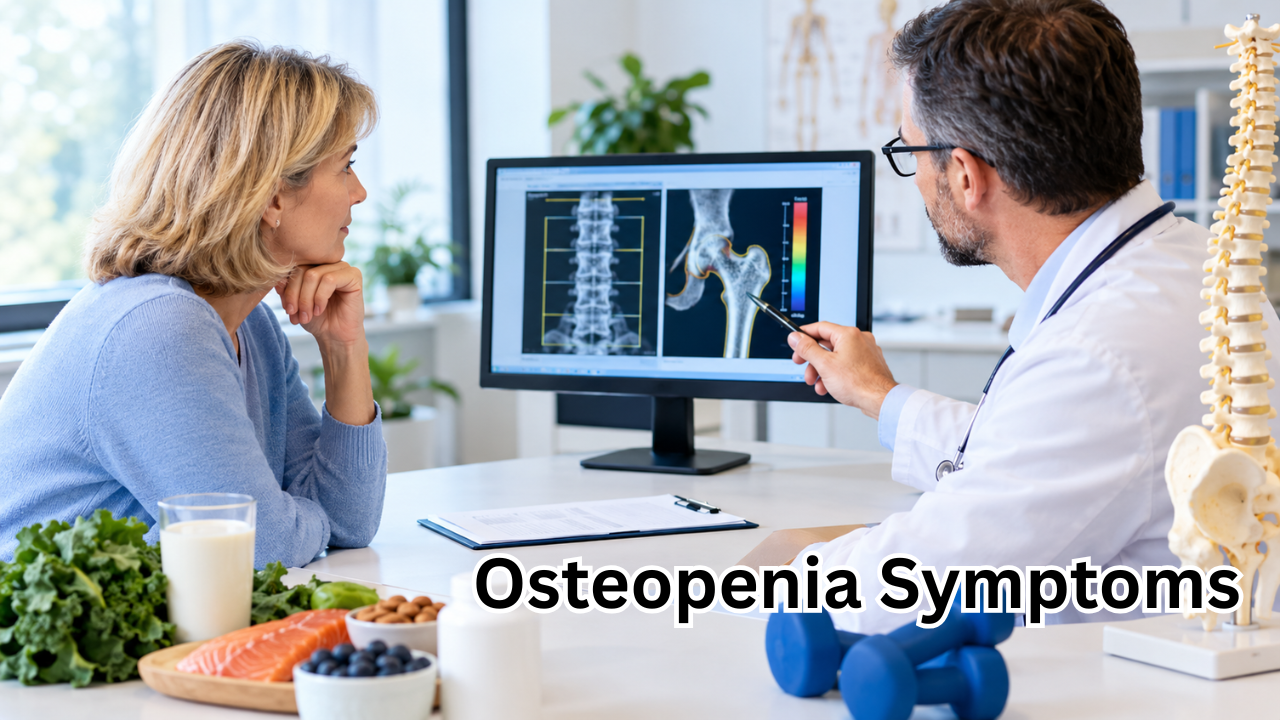
Osteopenia is a condition in which bone mineral density is lower than normal but not low enough to meet the definition of osteoporosis. Because bone loss usually develops gradually, many people with osteopenia do not notice any obvious changes in their bodies.
That makes understanding osteopenia symptoms especially important. In many cases, there are no specific symptoms to recognize in the early stages. A person may only discover reduced bone density after a routine bone density test or following a fracture.
The good news is that identifying low bone density gives you an opportunity to pay closer attention to bone health. Healthy nutrition, appropriate physical activity, avoiding tobacco, moderating alcohol, and addressing medical conditions or medications that contribute to bone loss can all be part of a bone-health plan.
What Is Osteopenia?
Osteopenia means that bone mineral density is below the healthy range but has not reached the level classified as osteoporosis. It is often considered an intermediate stage of bone loss.
Bones are living tissues. Throughout life, old bone is broken down and replaced with new bone. As people age, the balance between bone breakdown and bone formation can change, resulting in a gradual reduction in bone density.
A DXA or DEXA scan is commonly used to measure bone mineral density. For people for whom a T-score is appropriate, a score between -1 and -2.5 is generally classified as osteopenia, while a T-score of -2.5 or lower is in the osteoporosis range.
Importantly, a bone-density result is only one part of understanding fracture risk. Age, previous fractures, medications, health conditions, and other factors can also affect overall risk.
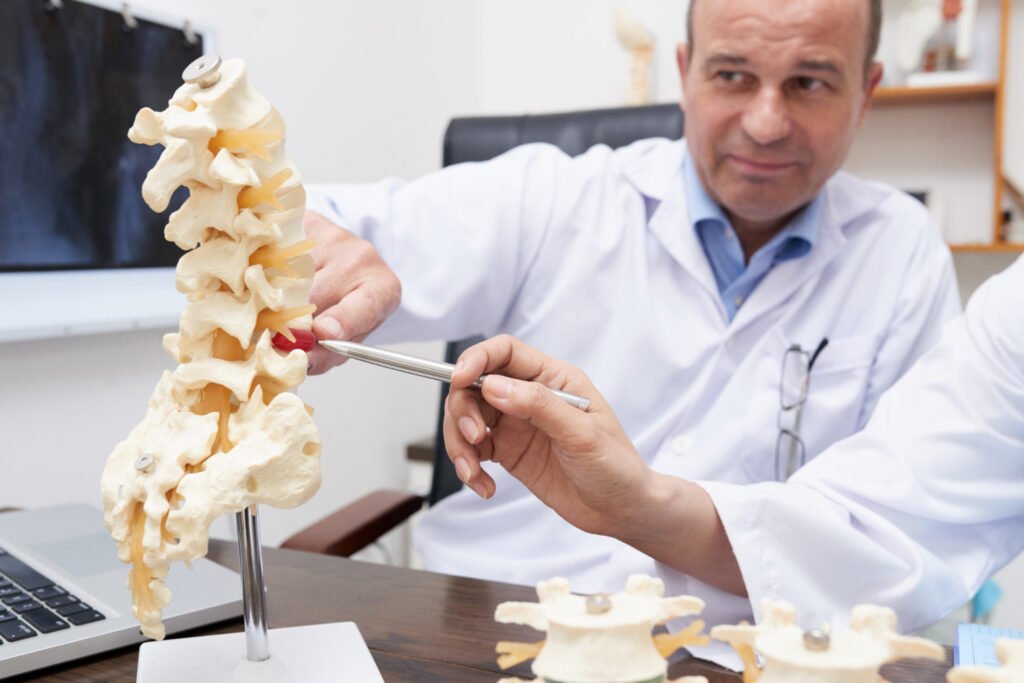
Osteopenia Symptoms: What Should You Look For?
The most important fact about osteopenia symptoms is that osteopenia often has no noticeable symptoms.
Unlike conditions that cause immediate pain, early bone loss can progress quietly. You generally cannot feel your bones becoming less dense. This is why osteopenia may be discovered during a bone density examination performed for screening or because a healthcare professional has identified risk factors.
Still, certain changes can be associated with more advanced bone loss or fractures.
1. No obvious symptoms
Most people with osteopenia do not experience a specific warning sensation such as aching bones or weakness.
You may feel completely healthy while bone mineral density is gradually declining. This is one reason routine medical evaluation can be important for people who have risk factors for low bone density.
2. Fractures after minor trauma
A fracture following a relatively minor fall or everyday activity can be a reason to investigate bone health.
Fragility fractures are generally fractures resulting from relatively low-energy trauma that would not normally break a healthy bone. Osteoporotic fractures commonly involve the hip, spine, wrist, or other bones.
A fracture does not automatically mean that someone has osteoporosis or osteopenia, but it can prompt a healthcare professional to evaluate bone density and other contributing factors.
3. Back pain
Persistent or sudden back pain can sometimes occur when a vertebra in the spine becomes fractured or compressed.
However, back pain has many possible causes. It should not automatically be interpreted as an osteopenia symptom.
When a spinal fracture occurs, healthcare professionals may also look for other changes, such as loss of height or changes in posture.
4. Loss of height over time
A noticeable reduction in height can have several causes. Changes in the spine, including vertebral compression fractures, can contribute to height loss in people with significant bone loss.
Gradual height loss is therefore something worth discussing with a healthcare professional, particularly when it occurs alongside other risk factors for low bone density.
5. A stooped posture
A forward-curved or stooped posture can develop when vertebral bones become weakened or compressed.
This is generally associated with more advanced skeletal changes rather than being a typical early sign of osteopenia.
Why Does Osteopenia Often Have No Symptoms?
Bone density changes do not usually stimulate pain receptors in the same way that an injury to muscles, joints, or other tissues might.
As a result, someone can gradually lose bone mineral density without feeling different.
This explains why the term “silent” is often used when discussing low bone density and osteoporosis. Osteoporosis itself can remain unnoticed until a fracture occurs, and osteopenia can similarly be present without obvious symptoms.
Rather than waiting for symptoms, healthcare professionals may consider bone density testing based on age, sex, medical history, fracture history, medications, and other risk factors.
Common Causes and Risk Factors for Osteopenia
Osteopenia can develop for many different reasons. Aging is an important factor, but it is not the only one.
Potential contributors include:
- Getting older
- Hormonal changes associated with menopause
- Certain medications, including long-term glucocorticoid steroid use
- Smoking
- Excessive alcohol consumption
- Inadequate calcium or vitamin D intake
- Low levels of physical activity
- Certain medical conditions that affect bone metabolism
- A history of fractures
- Family history of osteoporosis or hip fracture
- Having a low amount of bone mass earlier in life
Bone loss can affect both women and men. Although osteoporosis is often discussed in relation to postmenopausal women, men can also experience significant bone loss and fractures.
Osteopenia vs. Osteoporosis
Osteopenia and osteoporosis are related but are not the same diagnosis.
| Feature | Osteopenia | Osteoporosis |
|---|---|---|
| Bone density | Lower than normal | Significantly reduced |
| Typical symptoms | Usually none | Often none until a fracture occurs |
| T-score range* | Between -1 and -2.5 | -2.5 or lower |
| Fracture risk | Increased compared with healthy bone | Higher fracture risk |
| Common evaluation | Bone mineral density testing | Bone mineral density testing and fracture-risk assessment |
| Main concern | Progression of bone loss | Fragility fractures and complications |
*The T-score classification applies to people for whom T-scores are used, and healthcare professionals interpret results in the appropriate clinical context.
Having osteopenia does not necessarily mean that osteoporosis will develop. Bone health can be influenced by many factors, and an individualized assessment is more useful than focusing on the diagnosis alone.
How Is Osteopenia Diagnosed?
Because osteopenia usually does not cause obvious symptoms, testing is an important part of identifying it.
The most commonly used test is a dual-energy X-ray absorptiometry (DXA or DEXA) scan. It measures bone mineral density, usually at areas such as the hip and spine.
A DXA scan is generally quick and noninvasive. It uses a low level of X-ray radiation to assess bone mineral content.
Healthcare professionals may also consider your:
- Age
- Sex
- Previous fractures
- Family history
- Medications
- Lifestyle factors
- Other medical conditions
- Overall fracture risk
Bone density alone does not capture every factor that contributes to fracture risk. Risk assessment tools may be used alongside bone mineral density measurements in appropriate situations.
When Should You Talk to a Healthcare Professional?
You do not need to wait until you develop symptoms to discuss bone health.
Consider speaking with a healthcare professional if you have risk factors for low bone density or have experienced an unexpected fracture.
It is particularly important to seek medical evaluation after:
- A fracture caused by a minor fall or relatively low-impact event
- Unexplained or persistent back pain
- Noticeable loss of height
- A new stooped posture
- Long-term use of medications associated with bone loss
- A history of osteoporosis or hip fracture in a close family member
The appropriate timing of bone density testing varies according to individual risk. For example, current U.S. Preventive Services Task Force recommendations recommend screening women aged 65 and older with DXA, while younger postmenopausal women may be assessed first for risk factors.
Ways to Support Stronger Bones
An osteopenia diagnosis can be a useful opportunity to review everyday habits that support skeletal health.
Focus on nutrition
Calcium and vitamin D are important nutrients for maintaining healthy bones. A balanced diet can provide calcium through foods such as dairy products, fortified alternatives, certain leafy greens, and other calcium-containing foods.
Vitamin D helps the body absorb calcium effectively. Your individual nutritional needs depend on factors such as age, diet, sun exposure, and health status.
If you are considering supplements, discuss them with a healthcare professional rather than assuming that higher doses are always better.
Stay physically active
Weight-bearing physical activity and muscle-strengthening exercises can help support bone and muscle health.
Examples can include:
- Walking
- Climbing stairs
- Dancing
- Resistance exercises
- Other activities recommended according to your fitness level
If you already have substantial bone loss, a history of fractures, or balance problems, ask a healthcare professional about exercises that are appropriate for you.
Avoid smoking
Smoking is associated with poorer bone health and an increased risk of osteoporosis. If you smoke, stopping can benefit your overall health as well as your bones.
Keep alcohol consumption moderate
Excessive alcohol intake can contribute to bone-health problems and increase the risk of falls. Moderation is therefore an important part of a broader bone-health strategy.
Reduce fall risks
Preventing falls is especially important when bones are less dense.
Simple measures can include keeping walkways clear, improving lighting, using handrails where appropriate, and addressing vision or balance problems with professional guidance.
Can Osteopenia Be Reversed?
The answer depends on the individual and the underlying cause.
Bone density can change over time, and the goal of management is often to reduce further bone loss and lower fracture risk. Lifestyle changes, treatment of underlying conditions, and medications when medically appropriate can all play a role.
Not everyone with osteopenia needs prescription medication. Treatment decisions depend on the person’s fracture risk, bone density, age, medical history, and other factors.
A healthcare professional can determine whether monitoring, lifestyle measures, medication, or a combination of approaches is appropriate.
Frequently Asked Questions About Osteopenia Symptoms
1. What are the first symptoms of osteopenia?
There are usually no noticeable first symptoms. Osteopenia commonly develops without pain or other obvious physical signs. It may be discovered through a bone density test performed because of age or other risk factors.
2. Can osteopenia cause pain?
Osteopenia itself generally does not cause pain. Pain may occur if weakened bones eventually contribute to a fracture, particularly in the spine. However, back or bone pain has many possible causes and should be evaluated rather than automatically attributed to osteopenia.
3. How do you know if you have osteopenia?
The most reliable way to identify low bone density is through appropriate bone mineral density testing, commonly a DXA scan. The results can then be interpreted alongside your medical and fracture history.
4. Is osteopenia the same as osteoporosis?
No. Osteopenia indicates lower-than-normal bone density that has not reached the osteoporosis range. Osteoporosis represents more substantial bone loss and is associated with a higher risk of fractures.
5. Can osteopenia turn into osteoporosis?
It can, but it does not necessarily progress to osteoporosis. The likelihood depends on factors such as age, bone density, medications, health conditions, lifestyle, and overall fracture risk.
6. What should you do after an osteopenia diagnosis?
Discuss your results with a healthcare professional. Depending on your circumstances, they may recommend dietary changes, physical activity, fall prevention, follow-up testing, evaluation for underlying causes, or medication if your fracture risk warrants it.
Final Thoughts
The biggest challenge with osteopenia symptoms is that there often aren’t any. Low bone density can develop quietly, which means waiting for pain or another obvious warning sign may not be the best approach.
A bone density test can identify reduced bone mineral density before a person develops osteoporosis. Understanding your risk factors, maintaining a nutritious diet, staying physically active, avoiding smoking, moderating alcohol, and addressing relevant medical issues can all support better bone health.
If you have experienced an unexpected fracture, noticeable height loss, persistent back pain, or have risk factors for bone loss, speak with a healthcare professional. Early evaluation can help you understand your bone health and determine appropriate next steps.
Also Read : UNG Stock: Price, Natural Gas Outlook, Forecast, Risks, and What Investors Should Know











Leave a Reply