

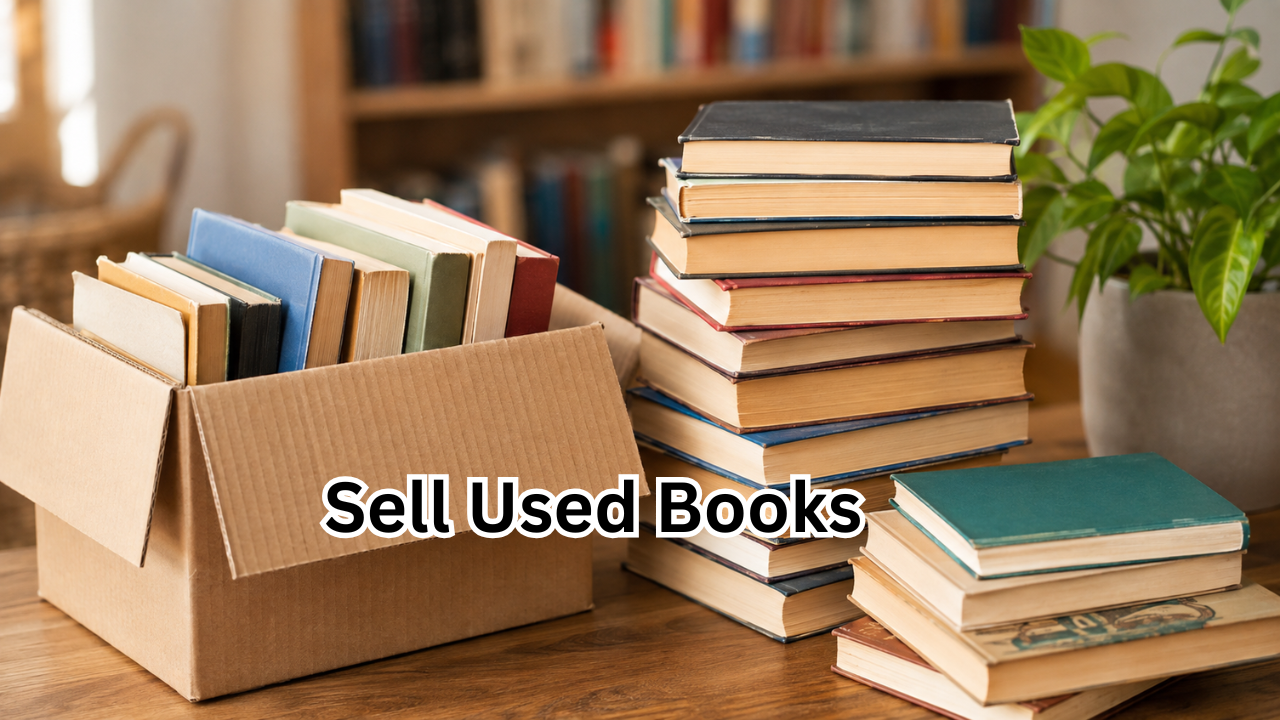
If you have shelves full of books you no longer read, selling them can be a practical way to clear space and make some extra money. From college textbooks and popular novels to vintage editions and collectible titles, many used books still have value in the right market.
The key is knowing where to sell used books, how to determine what they are worth, and how to present them so buyers feel confident purchasing them. A book that seems ordinary may be surprisingly valuable if it is a rare edition, signed copy, or discontinued title.
This guide explains how to sell used books effectively, which factors affect their value, how to prepare them for sale, and how to avoid common mistakes that can reduce your earnings.
Why Sell Used Books?
Books take up considerable space, especially when you have accumulated them over several years. Selling books you no longer need can turn unused items into useful cash while giving them another life with a new reader.
There are several reasons people choose to sell their used books:
- To declutter their home or office
- To recover some of the cost of textbooks
- To make money from rare or collectible editions
- To clear out books after moving
- To give unwanted books to readers who will appreciate them
- To create a small side income from buying and reselling books
The secondhand book market is also appealing because buyers often prefer affordable used copies over expensive new editions.
What Determines the Value of a Used Book?
Not every old book is valuable. In fact, age alone does not necessarily make a book worth more money. Several factors work together to determine its resale value.
Condition
Condition is one of the first things buyers consider. A clean book with intact pages, a good cover, and minimal writing will generally attract more interest than a heavily damaged copy.
Pay attention to:
- Torn or missing pages
- Water damage
- Stains and odors
- Highlighting or writing
- Broken bindings
- Damaged covers
- Missing dust jackets
Be honest about imperfections when creating your listing. Accurate descriptions help prevent disputes and build trust with buyers.
Edition and Publication Date
Two books with the same title may have very different values. First editions, limited editions, special printings, and older editions can sometimes command higher prices.
Check the copyright or publication page to identify the edition. If you are unsure, compare the ISBN, publisher, publication year, and edition information with existing listings.
Author and Title
Books by well-known authors can have strong demand, but popularity alone does not guarantee a high resale price.
A book may be especially desirable if:
- The author has a dedicated following
- The title is out of print
- The book became difficult to find
- It is associated with a major cultural event
- It is part of a popular series
- It has collectible editions
Demand
A book’s current demand is often more important than its original retail price. A recently published book that is no longer required for a course may have limited resale value, while an older out-of-print title may sell quickly.
Before setting a price, look at what similar copies are actually selling for rather than relying only on the original cover price.
Where to Sell Used Books
Choosing the right selling channel can make a significant difference. Different platforms work better for different types of books.
| Selling Option | Best For | Main Advantage | Potential Drawback |
|---|---|---|---|
| Online marketplaces | Popular books and collectibles | Large buyer audience | Fees and shipping |
| Used bookstores | General collections | Convenient and quick | Lower offers are common |
| Local marketplaces | Bulk collections | No complicated shipping | Smaller audience |
| Specialty dealers | Rare books | Expert knowledge | Limited to specific titles |
| Book fairs or community sales | Low-cost books | Simple in-person selling | Prices may be modest |
| Social media groups | Niche titles | Direct communication | Requires buyer coordination |
The best approach may be to use more than one option. For example, rare books can be listed individually online while ordinary paperbacks may be better sold as a local bundle.
How to Sell Used Books Online
Selling online gives you access to a much larger audience, but it also requires more preparation.
Start by identifying the exact book you have. Record the title, author, publisher, publication year, edition, ISBN, and condition.
Next, research comparable listings. Look at both asking prices and completed sales when the platform provides that information. A seller may list a book for a high price, but that does not mean buyers are willing to pay it.
Take Clear Photos
Good photographs can make a major difference.
Take pictures of:
- The front cover
- The back cover
- The spine
- The title page
- The copyright or edition page
- Any notable illustrations
- Damage or writing
Natural lighting usually works well. Avoid using heavily edited images that make the book appear better than it actually is.
Write an Accurate Description
Your listing should answer the questions a buyer is likely to have.
Mention the book’s condition, edition, publication year, ISBN, and any visible defects. If there is highlighting, underlining, a name written inside the cover, or a damaged dust jacket, disclose it.
A detailed and honest description can help your listing stand out from vague advertisements.
How to Price Used Books
Pricing is often the most challenging part of selling used books.
Start with research instead of choosing a number based on emotion. Search for the same title and edition and compare similar copies in similar condition.
Consider these factors:
- Current market demand
- Book condition
- Edition
- Rarity
- Original publication date
- Shipping costs
- Seller fees
- Competition
- Whether the book is signed or otherwise special
Avoid automatically pricing an old book at a premium simply because it is old. Collectors usually care about scarcity, condition, edition, provenance, and demand.
It can also be useful to set a slightly competitive price if your priority is selling quickly. If maximizing the price matters more than speed, you may choose to wait for a buyer willing to pay more.
Which Types of Used Books Often Sell Well?
Some categories tend to attract stronger demand than others, although demand changes over time.
College and Educational Books
Textbooks can have strong resale potential when they are still used in courses. However, newer editions can quickly make older versions less desirable.
Before listing an educational book, check whether students still use that edition.
Rare and Collectible Books
Rare books require more research. Signed copies, first editions, limited printings, unusual bindings, and books with historical significance may interest collectors.
If you believe a book could be particularly valuable, avoid accepting the first offer you receive. Consider getting an assessment from someone familiar with rare books.
Popular Fiction
Best-selling novels and complete book series can sell well, particularly when the books are in excellent condition.
Bundling several books from the same series can also make the purchase more attractive.
Children’s Books
Classic children’s titles can have a strong secondhand audience. Illustrated editions and books from well-known authors may be particularly appealing.
Tips for Selling Used Books Faster
If your goal is to sell your collection rather than hold onto it indefinitely, presentation and pricing matter.
Try these strategies:
- Group related books into bundles.
- Use clear, descriptive listing titles.
- Include the ISBN when available.
- Photograph the actual book rather than using stock images.
- Mention flaws honestly.
- Keep prices competitive.
- Respond to buyer questions quickly.
- Package books securely.
- Review your listings regularly.
- Reduce prices on items that receive views but no serious offers.
Bundles can be especially useful for lower-value books. Instead of spending time listing ten inexpensive paperbacks individually, you might sell them together as a themed collection.
How to Prepare Books Before Selling
A little preparation can improve the appearance of your books.
Remove loose dust and gently wipe suitable covers with a clean, dry cloth. Avoid aggressive cleaning methods, especially on older or collectible books.
Do not attempt repairs on potentially valuable antique or collectible books unless you know what you are doing. Poor restoration can sometimes reduce their value.
Organize your books before listing them. Separate ordinary copies from textbooks, rare editions, signed copies, and books in particularly good condition.
This makes research and pricing much easier.
Common Mistakes to Avoid
Many sellers lose potential earnings because they rush the process.
One common mistake is assuming that every old book is valuable. Another is listing books without identifying the edition.
Other mistakes include:
- Using vague descriptions
- Hiding damage
- Setting unrealistic prices
- Ignoring shipping expenses
- Failing to compare similar listings
- Selling potentially rare books without researching them
- Using poor-quality photographs
- Spending too much time individually listing very low-value books
The goal is not simply to sell a book. It is to sell it through a method that makes sense for its value.
Should You Sell Books Individually or in Bulk?
This depends on the type of collection you have.
High-demand, rare, signed, or collectible books are usually better candidates for individual listings. Buyers searching for a particular title may be willing to pay more when they can purchase exactly what they want.
Ordinary paperbacks, outdated textbooks, and inexpensive titles may be better sold in groups.
For example, instead of listing several mystery novels separately, you could create a “10-book mystery collection.” This reduces listing work and may appeal to buyers who want variety.
How to Make More Money From Your Book Collection
If you want to maximize your results, think of the process as a small resale project.
First, sort the books into categories. Then research the potentially valuable items before doing anything else.
Prioritize:
- Rare or unusual books
- Signed copies
- First or early editions
- Current textbooks
- Popular titles in excellent condition
- Complete series
- Ordinary low-value books
This approach helps you spend your time where it is most likely to produce a worthwhile return.
You should also keep records of purchase costs, selling prices, platform fees, shipping expenses, and other costs if you regularly resell books. Understanding your actual profit is more useful than simply looking at the sale price.
Frequently Asked Questions

Is it worth it to sell used books?
Yes, particularly if you have books that are in good condition, in demand, rare, collectible, or associated with current educational courses. Low-value books may be better sold in bundles to save time.
How do I know if my old books are valuable?
Check the edition, publication date, condition, rarity, author, and current demand. Compare your exact edition with similar books that have recently sold. For potentially rare books, professional advice can be worthwhile.
What is the best way to sell used books?
There is no single best method for every book. Online marketplaces can work well for individual titles, while bookstores and local buyers can be convenient for larger collections. Specialty dealers may be more appropriate for rare books.
Should I clean my books before selling them?
Light dusting can improve their appearance, but avoid harsh cleaning or amateur restoration. Older and collectible books can be delicate, and improper cleaning may cause damage.
How should I price my used books?
Research comparable copies with the same edition and similar condition. Consider demand, rarity, condition, fees, and shipping costs before choosing your price.
Can I sell damaged books?
Yes, but the damage should be clearly described. Severely damaged books may have little resale value unless they are rare or otherwise collectible.
Final Thoughts
Learning how to sell used books effectively is mostly about understanding what you have and matching each book with the right buyer. A shelf full of unwanted books may contain ordinary titles, valuable editions, or a mixture of both.
Take time to identify editions, check condition, research current demand, and compare realistic selling prices. Use individual listings for books that deserve extra attention and bundles for lower-value titles.
Most importantly, be transparent. Clear photographs, accurate descriptions, sensible pricing, and secure packaging can turn a simple decluttering project into a rewarding way to earn extra money while helping your books find new readers
Also Read : Quora Questions: How to Find, Ask, Answer, and Use Them for Better Online Research









Leave a Reply