

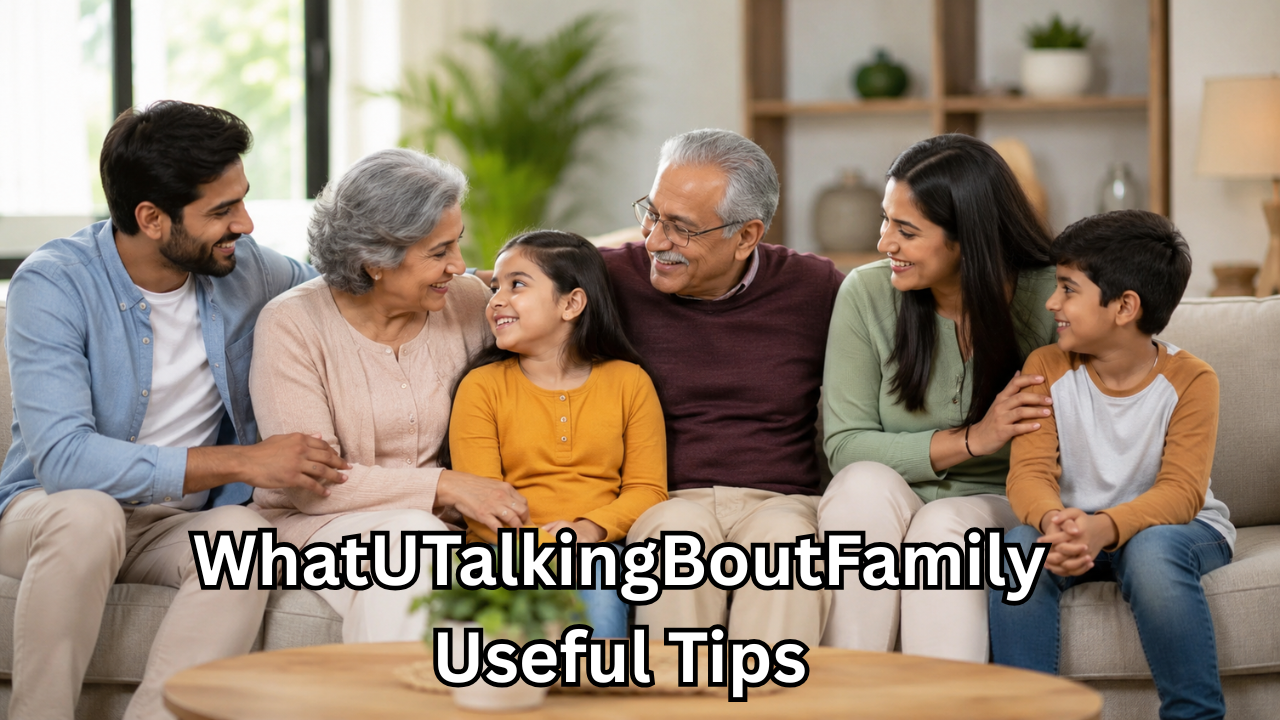
Families come in all shapes and sizes, but one thing remains the same: maintaining healthy relationships takes effort. If you’ve been searching for whatutalkingboutfamily useful tips, you’re likely looking for practical ways to improve communication, create lasting memories, and build a happier home.
The good news is that strong family relationships don’t require expensive vacations or grand gestures. Small, consistent habits often make the biggest difference. From better communication to managing conflicts respectfully, every positive step helps strengthen family bonds.
In this guide, you’ll discover actionable tips that can be applied by parents, children, siblings, grandparents, and extended family members alike.
Why Family Relationships Matter
A supportive family provides emotional security, encouragement, and stability. Healthy family relationships can positively impact mental health, confidence, and overall well-being.
Some key benefits include:
- Better emotional support during difficult times
- Improved communication skills
- Stronger trust between family members
- Reduced stress and misunderstandings
- Positive role models for children
- Lasting memories and traditions
Building these connections doesn’t happen overnight, but consistent effort creates meaningful results over time.
Quick Overview of Family Improvement Tips
| Family Area | Useful Tip | Benefit |
|---|---|---|
| Communication | Listen without interrupting | Builds trust |
| Quality Time | Schedule family activities | Creates stronger bonds |
| Conflict Resolution | Stay calm and respectful | Reduces arguments |
| Technology | Set screen-free hours | Encourages conversation |
| Appreciation | Express gratitude daily | Improves relationships |
| Responsibilities | Share household tasks | Promotes teamwork |
WhatUTalkingBoutFamily Useful Tips for Everyday Life
The following practical strategies can help families become closer while reducing unnecessary conflict.

Make Communication a Daily Habit
Healthy communication is the foundation of every strong family.
Instead of waiting until problems arise, create opportunities for daily conversations. Even 10 to 15 minutes of uninterrupted discussion can make a noticeable difference.
Helpful communication habits include:
- Ask open-ended questions.
- Listen actively without judging.
- Avoid interrupting others.
- Maintain eye contact.
- Encourage everyone to share their opinions.
Simple conversations during dinner or evening walks often become the most meaningful.
Spend Quality Time Together
Many families spend hours in the same house without actually connecting.
Quality time doesn’t have to be complicated. What matters is giving each other your full attention.
Ideas include:
- Family movie nights
- Weekend picnics
- Cooking meals together
- Playing board games
- Going for evening walks
- Reading books together
Consistency matters more than duration.
Create Family Traditions
Traditions help create memories that last for generations.
Examples include:
- Sunday breakfasts together
- Monthly family game nights
- Annual holiday photo sessions
- Birthday traditions
- Volunteer activities as a family
These traditions give everyone something to look forward to throughout the year.
Practice Active Listening
Many disagreements happen because people feel unheard.
Active listening means focusing completely on the speaker rather than planning your response.
Good listeners:
- Avoid distractions
- Let others finish speaking
- Ask follow-up questions
- Show empathy
- Confirm understanding
This simple habit dramatically improves family communication.
Learn Healthy Conflict Resolution
Arguments happen in every family.
The goal isn’t avoiding disagreements but handling them respectfully.
Better Ways to Resolve Conflict
Instead of:
- Yelling
- Blaming
- Bringing up old mistakes
- Giving silent treatment
Try:
- Speaking calmly
- Using “I feel” statements
- Looking for solutions
- Taking breaks when emotions become intense
- Apologizing sincerely when necessary
Respectful disagreements often strengthen relationships rather than weaken them.
Set Healthy Technology Boundaries
Technology offers many benefits, but excessive screen time can reduce meaningful family interaction.
Consider establishing:
- Phone-free dinners
- No devices before bedtime
- Family activity nights without screens
- Limited social media during family gatherings
These small boundaries encourage genuine conversations.
Show Appreciation Regularly
People often assume their family members already know they’re appreciated.
However, expressing gratitude regularly strengthens emotional connections.
Simple examples include:
- Saying thank you
- Writing short appreciation notes
- Complimenting achievements
- Celebrating small successes
- Recognizing daily efforts
Feeling appreciated motivates everyone to contribute positively.
Encourage Teamwork at Home
A family works best when everyone contributes.
Assign age-appropriate responsibilities such as:
- Cleaning bedrooms
- Washing dishes
- Watering plants
- Organizing shared spaces
- Helping prepare meals
Sharing responsibilities teaches accountability while reducing stress on one person.
Support Individual Growth
Although family unity is important, individual development matters too.
Support each family member’s:
- Education
- Career goals
- Personal interests
- Creative hobbies
- Sports activities
- Mental health
Encouragement helps people become more confident while remaining connected to the family.
Build Trust Through Consistency
Trust isn’t built through promises alone.
It grows through consistent actions over time.
Ways to strengthen trust include:
- Keeping promises
- Being honest
- Respecting privacy
- Being dependable
- Following through on commitments
Trust creates emotional safety within the family.
Prioritize Family Meals
Research consistently shows that families who eat together often communicate better.
You don’t need elaborate dinners.
Even a simple meal together can become an opportunity to:
- Discuss everyone’s day
- Share achievements
- Solve small problems
- Laugh together
- Plan upcoming activities
The habit itself matters more than the menu.
Encourage Positive Language
Words have lasting effects.
Replace criticism with encouragement whenever possible.
For example:
Instead of:
- “You never help.”
Try:
- “I’d really appreciate your help.”
Positive communication reduces defensiveness and promotes cooperation.
Respect Personal Space
Healthy families balance togetherness with independence.
Everyone occasionally needs:
- Quiet time
- Personal hobbies
- Privacy
- Time with friends
- Individual goals
Respecting personal boundaries actually strengthens long-term relationships.
Celebrate Small Wins
Many families celebrate birthdays and holidays but overlook everyday achievements.
Celebrate moments like:
- Good grades
- Completing a project
- Learning a new skill
- Personal improvements
- Acts of kindness
These celebrations build confidence and reinforce positive behaviors.
Teach by Example
Children learn more from what adults do than what they say.
Model behaviors such as:
- Kindness
- Honesty
- Patience
- Responsibility
- Respect
- Gratitude
Leading by example creates a positive family culture.
Make Laughter Part of Everyday Life
Humor helps families stay connected.
Share funny stories, play games, watch comedies together, or simply enjoy lighthearted conversations.
Laughter reduces stress and creates joyful memories that last for years.
Practice Forgiveness
Nobody is perfect.
Holding onto resentment can damage even the strongest relationships.
Forgiveness doesn’t mean forgetting mistakes—it means choosing healing over ongoing conflict.
Healthy families acknowledge mistakes, learn from them, and move forward together.
Frequently Asked Questions
What are the most important whatutalkingboutfamily useful tips?
The most valuable tips include improving communication, spending quality time together, expressing appreciation, resolving conflicts respectfully, limiting excessive screen time, and supporting one another’s personal growth.

How can families improve communication?
Practice active listening, ask open-ended questions, avoid interrupting, and schedule regular family conversations where everyone has an opportunity to speak openly.
Why is family time important?
Quality time strengthens emotional bonds, improves trust, creates shared memories, and allows family members to better understand each other’s experiences and challenges.
How do you reduce family conflicts?
Stay calm during disagreements, focus on solving problems rather than assigning blame, listen carefully, and respect different opinions while working toward a fair solution.
Can small daily habits improve family relationships?
Yes. Simple habits like eating meals together, saying thank you, checking in daily, helping with chores, and celebrating small achievements can significantly improve family relationships over time.
Final Thoughts
Applying these whatutalkingboutfamily useful tips doesn’t require dramatic lifestyle changes. The strongest families are often built through small, consistent actions repeated every day.
Prioritize honest communication, spend intentional time together, show appreciation often, and approach challenges with patience and respect. Over time, these habits create stronger relationships, deeper trust, and a happier family environment.
Remember, no family is perfect. The goal isn’t perfection—it’s continuous growth, understanding, and supporting one another through every stage of life.
Also Read: Smart Home Decoradtech: The Complete Guide to Smarter, More Stylish Living











Leave a Reply