

Introduction
Have you ever come across something that feels playful, imaginative, unusual, and full of charm? Perhaps it was a beautifully decorated room, a colorful piece of artwork, a funny story, or an unexpected fashion choice. There is a special word for this kind of delightful creativity: whimsical.
The word whimsical describes something that is imaginative, unusual, playful, or pleasantly unpredictable. It is often associated with creativity, fantasy, humor, and a sense of wonder. Whether used to describe art, fashion, interior design, writing, or someone’s personality, the term brings a feeling of lightheartedness and originality.
In recent years, whimsical has become a popular word in conversations about lifestyle, aesthetics, home decoration, fashion, and creative expression. People use it to describe anything that moves beyond ordinary expectations and introduces a little magic into everyday life.
But what exactly does whimsical mean? How can you recognize a whimsical style, and why do people find it so appealing? This guide explores the meaning, characteristics, examples, and practical uses of the word.
What Does Whimsical Mean?
Whimsical is an adjective used to describe something playful, imaginative, fanciful, or slightly unusual. It generally refers to things that express creativity without following traditional rules or expectations.
Something whimsical might feature unexpected colors, imaginative shapes, humorous details, or unusual combinations. It can be charming, mysterious, funny, or even dreamlike.
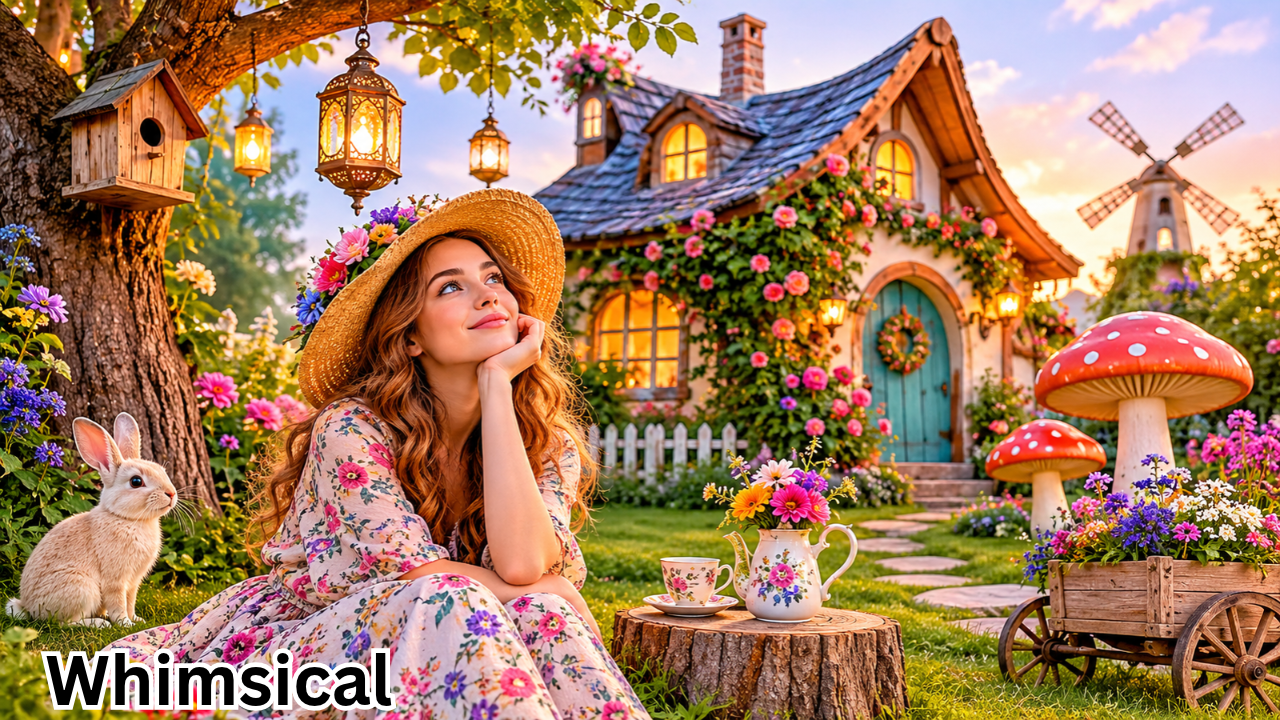
For example, imagine a garden filled with colorful flowers, miniature houses, decorative mushrooms, and unusual sculptures. Such a place could easily be described as whimsical because it creates an imaginative atmosphere that feels different from an ordinary garden.
Similarly, a story featuring talking animals, magical forests, and surprising adventures may have a whimsical quality.
The word can also describe people. Someone with a whimsical personality might enjoy unusual ideas, creative hobbies, spontaneous adventures, and unexpected humor.
The Origin and History of the Word Whimsical
The word whimsical has an interesting linguistic history. It developed from the older English word “whim,” which referred to a sudden idea, unusual desire, or unpredictable notion.
Over time, the word evolved to describe people and things characterized by unusual thoughts, unpredictable behavior, and imaginative qualities.
Its meaning gradually became more closely connected with creativity, playfulness, and fantasy.
Today, whimsical usually carries a positive or affectionate meaning. It often suggests that something is charmingly unconventional rather than simply strange or unreasonable.
The term appears in literature, visual arts, entertainment, fashion, and everyday conversations. Its continued popularity reflects people’s appreciation for originality and creative expression.
Main Characteristics of a Whimsical Style
Although whimsical can describe many different things, several characteristics commonly appear in whimsical designs, experiences, and creative works.
1. Playfulness and Fun
Playfulness is one of the most recognizable features of a whimsical aesthetic. It creates an atmosphere that feels relaxed, cheerful, and enjoyable.
Examples include colorful decorations, cartoon-inspired illustrations, unusual accessories, and unexpected design elements.
2. Imagination and Fantasy
Whimsical creations frequently take inspiration from fantasy worlds, fairy tales, childhood memories, and imaginative storytelling.
Magical creatures, enchanted forests, floating objects, and dreamlike landscapes are common examples.
3. Unusual Combinations
Another important characteristic is the willingness to combine things that would not normally appear together.
For example, a designer might combine vintage furniture with bright contemporary artwork or pair traditional floral patterns with unexpected geometric shapes.
4. Colorful Details
Bright and unusual colors can help create a whimsical atmosphere. Pastel shades, soft pinks, lavender, mint green, yellow, and turquoise are popular choices.
However, whimsical designs do not always need bright colors. Even neutral spaces can feel whimsical when they include unusual objects, creative textures, or imaginative details.
5. Originality and Individuality
Whimsical creativity is not about following every trend. Instead, it encourages people to express their personalities through distinctive ideas.
An unusual painting, handmade decoration, or creatively designed outfit can communicate individuality without needing to follow conventional expectations.
Whimsical in Different Areas of Everyday Life
The word whimsical is versatile. It can describe different styles, objects, experiences, and creative approaches.
Whimsical Interior Design
Whimsical interior design transforms ordinary living spaces into imaginative environments.
Rather than focusing entirely on matching furniture and traditional decorating rules, this style encourages creativity and personality.
Common elements include:
- Colorful cushions and decorative pillows.
- Unusual lamps and artistic lighting.
- Fantasy-inspired wall decorations.
- Vintage furniture with interesting shapes.
- Creative artwork and handmade accessories.
- Playful wallpaper and decorative patterns.
A whimsical living room might feature a pastel-colored sofa, unusual wall art, patterned rugs, and decorative objects collected from different places.
The goal is to create a welcoming space that feels personal, imaginative, and visually interesting.
Whimsical Fashion
Whimsical fashion is about expressing creativity through clothing, accessories, patterns, and unexpected combinations.
It often includes playful designs, unusual silhouettes, colorful fabrics, and imaginative accessories.
Some examples include:
- Dresses featuring artistic floral patterns.
- Colorful socks with playful illustrations.
- Accessories inspired by fantasy characters.
- Unusual handbags and jewelry.
- Vintage-inspired outfits with modern details.
Whimsical fashion allows people to experiment with their appearance while expressing their personalities.
Whimsical Art
Art is one of the most natural places to explore whimsical creativity.
Whimsical artwork often features imaginative characters, unusual environments, playful illustrations, and exaggerated details.
Artists may create magical landscapes, dreamlike portraits, fantasy animals, or colorful scenes that challenge ordinary expectations.
This style can be found in children’s illustrations, digital artwork, paintings, sculptures, and decorative prints.
Whimsical Writing and Storytelling
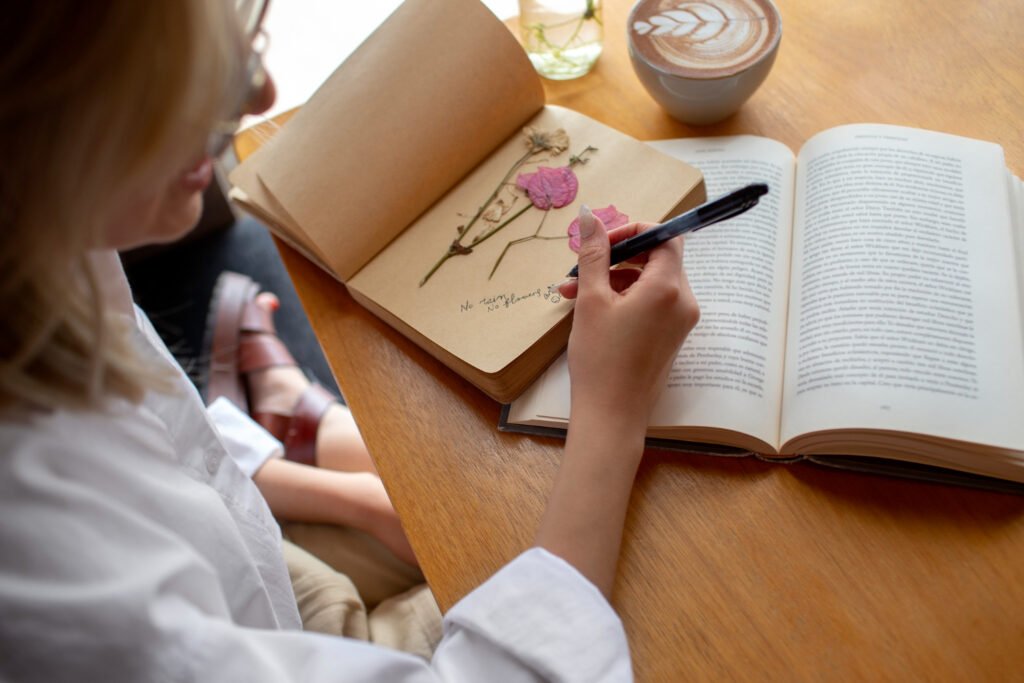
In literature, whimsical writing introduces imagination, unexpected situations, humor, and creative storytelling.
A whimsical story might include talking animals, mysterious adventures, unusual characters, or magical objects.
Writers often use this approach to make their stories memorable and entertaining.
It is particularly common in fantasy literature, children’s books, fairy tales, and humorous fiction.
Whimsical Gardens
A whimsical garden combines natural beauty with imaginative decoration.
Instead of following a perfectly organized landscaping style, it may include winding pathways, colorful flowers, unusual planters, decorative sculptures, and charming outdoor accessories.
Some people also incorporate miniature fairy houses, decorative stones, birdhouses, and creative lighting.
The result is an outdoor environment that feels magical and inviting.
Whimsical vs. Similar Words: Understanding the Difference
Several English words have meanings similar to whimsical, but they are not always interchangeable.
Understanding their differences can help you use the term more accurately.
| Word | Meaning | Main Difference |
|---|---|---|
| Whimsical | Playful, imaginative, and unusual | Combines creativity with charm |
| Quirky | Unusual or unconventional | Focuses more on individuality |
| Fantastical | Related to fantasy or imagination | Often suggests magical or unrealistic elements |
| Eccentric | Unconventional or unusual | Often describes distinctive behavior |
| Playful | Full of fun and lighthearted energy | Focuses mainly on enjoyment |
| Creative | Involving original ideas | Does not necessarily include humor or fantasy |
For instance, an unusual handmade lamp might be described as quirky, while a lamp shaped like a tiny magical mushroom could be considered whimsical.
The difference is subtle, but whimsical often communicates a combination of imagination, charm, and playfulness.
Examples of Whimsical in Everyday Sentences
Learning how to use a word in everyday conversations makes it easier to understand its meaning.
Here are some natural examples:
- “The restaurant has a whimsical interior filled with colorful decorations.”
- “She wore a whimsical dress covered in beautiful floral patterns.”
- “The children’s book tells a whimsical story about animals living in a magical forest.”
- “I love the whimsical decorations in your garden.”
- “His whimsical personality makes every conversation interesting.”
- “The artist created a whimsical painting inspired by childhood dreams.”
- “The little café has a charming and whimsical atmosphere.”
These examples demonstrate how the word can describe people, places, clothing, artwork, and experiences.
Why Is Whimsical So Popular?
The growing interest in whimsical aesthetics reflects a broader appreciation for creativity and personal expression.
Many people spend their days surrounded by repetitive routines, digital screens, and practical responsibilities. Imaginative designs and playful experiences provide a refreshing alternative.
There are several reasons why whimsical ideas appeal to people.
It encourages creativity: Whimsical thinking allows individuals to experiment with unusual concepts and explore new possibilities.
It creates memorable experiences: Unexpected details can make ordinary places and activities feel more interesting.
It expresses individuality: People can use whimsical fashion, art, and decorations to communicate their personalities.
It adds charm to ordinary spaces: Small creative touches can transform an otherwise simple environment.
It inspires imagination: Fantasy-inspired designs and stories encourage people to look beyond everyday expectations.
Whimsical does not necessarily mean expensive or complicated. Sometimes, a handmade decoration, an unusual painting, or a colorful accessory is enough to create the desired effect.
How to Add a Whimsical Touch to Your Lifestyle
You do not need to completely change your surroundings to enjoy a whimsical aesthetic. A few thoughtful additions can introduce creativity into your everyday life.
Here are some simple ideas:
- Decorate creatively: Add colorful artwork, unusual ornaments, or decorative lighting to your living space.
- Experiment with fashion: Try interesting patterns, playful accessories, or unexpected color combinations.
- Explore creative hobbies: Painting, crafting, photography, and creative writing can help develop imaginative thinking.
- Personalize your garden: Introduce decorative planters, colorful flowers, or handmade outdoor ornaments.
- Read imaginative stories: Fantasy books and creative storytelling can introduce new ideas and perspectives.
- Celebrate small details: Find beauty in unusual objects, unexpected experiences, and everyday surprises.
The most important thing is to enjoy the process rather than worrying about following a particular design rule.
Frequently Asked Questions (FAQs)
1. What does whimsical mean in simple words?
Whimsical means playful, imaginative, unusual, or full of creative charm. It describes something that feels different from ordinary things, often because of its originality, humor, or fantasy-inspired details.
2. Is whimsical a positive word?
Yes, whimsical is generally a positive word. It often describes something charming, creative, delightful, or pleasantly unusual. However, its exact meaning can depend on the context in which it is used.
3. What is an example of something whimsical?
A colorful garden featuring miniature fairy houses, unusual sculptures, winding pathways, and imaginative decorations is a good example of something whimsical. A playful illustration or fantasy-inspired outfit can also be described this way.
4. What is a whimsical personality?
A whimsical personality is often associated with imagination, playfulness, originality, and unconventional thinking. People described as whimsical may enjoy creative activities, unusual ideas, spontaneous experiences, and lighthearted humor.
5. What is the difference between whimsical and quirky?
Whimsical usually suggests something imaginative, playful, and charming, while quirky describes something unusual, distinctive, or unconventional. Both words can describe originality, but whimsical often has a stronger connection with fantasy and creativity.
6. How can I create a whimsical aesthetic?
You can create a whimsical aesthetic by combining playful colors, imaginative decorations, unusual patterns, creative accessories, and personal artwork. Focus on elements that express individuality and make your surroundings feel interesting and welcoming.
Final Thoughts
Whimsical is more than just a descriptive word. It represents a creative way of looking at the world, where imagination, individuality, and playful expression are appreciated.
From interior design and fashion to literature, art, and gardening, whimsical ideas can transform ordinary experiences into something memorable. The style encourages people to experiment, embrace unusual combinations, and find beauty in unexpected places.
Whether you want to decorate your home, develop a distinctive fashion sense, create imaginative artwork, or simply understand the meaning of the word, exploring whimsical creativity can open the door to new possibilities.
Ultimately, being whimsical means allowing imagination to become part of everyday life. Sometimes, the smallest unusual detail is what makes something truly special.
Also Read : Houzz Pro Login: How to Sign In, Access Your Account, and Manage Projects











Leave a Reply