

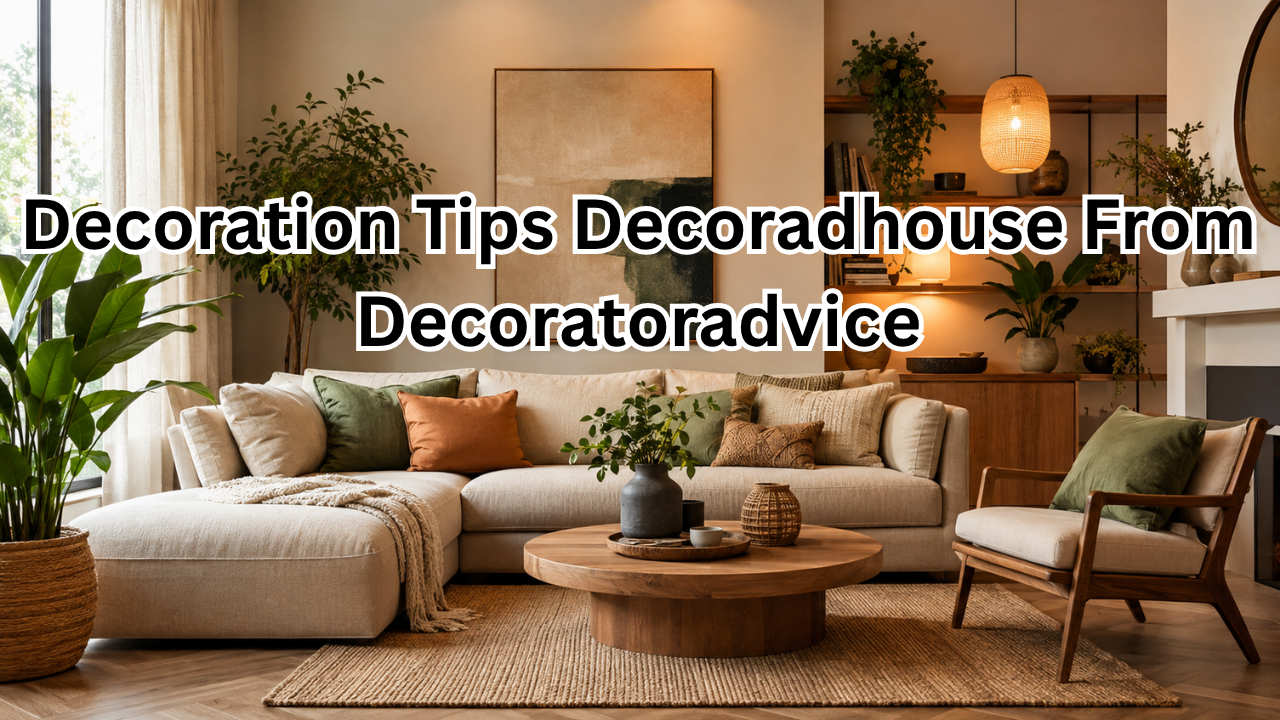
Decorating a home does not have to mean spending a fortune or following every new interior design trend. Often, the most inviting spaces come from thoughtful choices that reflect the people who live there. Whether you are refreshing one room or planning a complete home makeover, the right decoration tips can help you create a space that feels comfortable, balanced, and personal.
The phrase decoration tips decoradhouse from decoratoradvice brings together the idea of practical home decoration with advice that can make decorating easier and more approachable. Instead of focusing only on expensive furniture or complicated design rules, good decorating is about understanding your space and making smart choices.
From selecting the right colors to arranging furniture and adding decorative details, small changes can have a noticeable effect. This guide explores useful ideas that can help you improve your home’s appearance while keeping comfort and functionality in mind.
Start With the Purpose of Each Room
Before buying decorations, think about how you actually use the room. A living room designed for family conversations will need a different arrangement from a formal sitting area. Similarly, a bedroom should encourage relaxation rather than feeling crowded with unnecessary accessories.
Ask yourself a few simple questions:
- What is the main purpose of this room?
- Who uses it most often?
- What activities happen here?
- Does the current arrangement feel comfortable?
- What is missing from the space?
Answering these questions gives you a practical starting point. It also prevents you from purchasing decorations that look attractive but have little value in your home.
Choose a Color Scheme Before Decorating
Color is one of the easiest ways to change the mood of a room. You do not necessarily need to repaint every wall. Sometimes, introducing a coordinated palette through curtains, cushions, rugs, artwork, and accessories is enough.
A simple approach is to select three main color roles:
| Color role | Purpose | Examples |
|---|---|---|
| Main color | Covers the largest area | White, beige, gray, soft blue |
| Secondary color | Adds visual interest | Green, navy, terracotta |
| Accent color | Creates highlights | Gold, black, mustard, coral |
Neutral shades can provide a calm foundation, while stronger colors can be introduced through smaller decorative pieces.
The important thing is consistency. Colors do not need to match perfectly, but they should work together.
Pay Attention to Furniture Placement
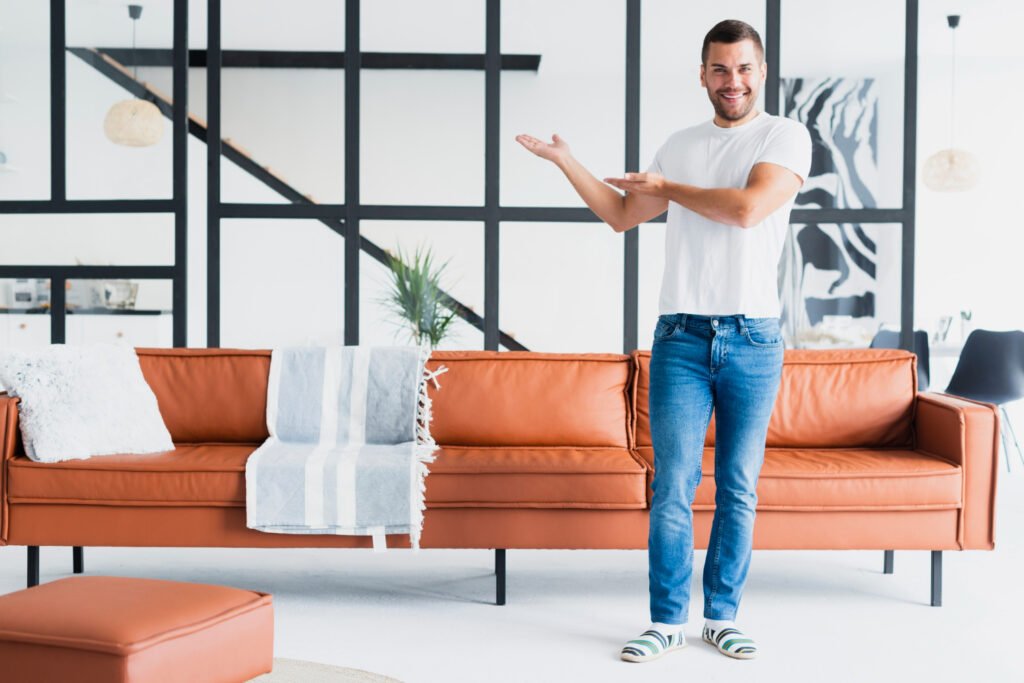
Beautiful furniture can still make a room feel uncomfortable if it is arranged poorly. One of the most useful decoration tips is to consider movement before appearance.
Avoid pushing every piece of furniture against the wall simply because it seems to create more open space. In many rooms, bringing furniture slightly inward can create a more intimate and organized arrangement.
For a living room, for example, seating can be positioned around a central coffee table or conversational area. Leave enough space between furniture pieces so people can walk naturally through the room.
Create a Clear Focal Point
Every room benefits from something that immediately catches attention. This could be:
- A fireplace
- A large piece of artwork
- An attractive bed
- A statement light fixture
- A feature wall
- A collection of plants
- A large window with a good view
Once you identify the focal point, arrange other elements so they support rather than compete with it.
Use Lighting as a Decorative Element
Lighting is frequently overlooked when people think about home decoration. Yet it can completely change how colors, furniture, and accessories appear.
Try combining several types of lighting instead of relying on a single ceiling fixture.
Ambient lighting provides general illumination, while task lighting helps with activities such as reading or working. Accent lighting can highlight artwork, shelves, architectural details, or decorative objects.
Consider using:
- Floor lamps
- Table lamps
- Pendant lights
- Wall lights
- Under-shelf lighting
- Decorative candles
- Warm LED bulbs
The right lighting can make an ordinary room feel much more welcoming, especially in the evening.
Add Texture for More Depth
A room decorated entirely with smooth surfaces can sometimes feel flat. Texture adds depth and makes a space more visually interesting.
You can introduce texture without making major changes. Try combining materials such as:
- Wood
- Glass
- Metal
- Cotton
- Linen
- Wool
- Ceramic
- Natural fibers
For example, a simple sofa can become much more inviting when paired with textured cushions and a soft throw. A wooden coffee table can look more complete when combined with a ceramic vase, a woven basket, or a stack of attractive books.
The goal is balance rather than filling every surface.
Bring Nature Indoors
Plants are one of the simplest decoration ideas for almost any home. They can add color, texture, and a sense of freshness without requiring major renovations.
If you have plenty of natural light, larger plants can become statement pieces. For darker areas, consider plants that are suitable for lower-light environments.
You can also use flowers, branches, dried arrangements, or small tabletop plants. Natural elements work especially well in neutral interiors because they introduce subtle variation without overwhelming the room.
Decorate Walls Without Overcrowding Them
Empty walls can make a room feel unfinished, but covering every available space with artwork can create the opposite problem.
Choose wall decorations thoughtfully. A large artwork can sometimes have more impact than several small pieces scattered around the room.
Popular options include:
- Framed artwork
- Family photographs
- Mirrors
- Decorative plates
- Wall shelves
- Textured wall pieces
- Minimalist prints
When creating a gallery wall, keep some relationship between the frames, colors, or subject matter. This creates a collection that feels intentional rather than random.
Use Mirrors Strategically
Mirrors can be both practical and decorative. They reflect light and can make a room appear more open.
A mirror placed opposite a window can help distribute natural light throughout the room. In a narrow hallway, a well-positioned mirror may also make the space feel less confined.
However, placement matters. Avoid positioning mirrors where they reflect clutter or an unattractive view. Before hanging one, look at what will appear in its reflection.
Avoid Buying Too Many Accessories
One of the easiest decorating mistakes is adding too much.
A shelf filled with decorative objects may initially look interesting, but too many items can make the room feel visually noisy. Instead, choose a smaller number of pieces that have meaning or complement the overall style.
A useful approach is to decorate in layers:
- Start with essential furniture.
- Add lighting.
- Introduce textiles.
- Add artwork or wall decoration.
- Finish with a few personal accessories.
This makes it easier to stop before the room becomes overcrowded.
Make Your Home Personal
A home should not look like a furniture showroom. Personal details are what make a space feel authentic.
Display objects that tell your story, such as travel souvenirs, photographs, books, handmade pieces, or inherited items. These details can create visual interest while making the room feel connected to your life.
You do not need to follow one design style perfectly. Mixing modern furniture with traditional objects, for example, can produce a distinctive interior when the elements share a common color or material.
Decorate on a Realistic Budget
Good decoration does not depend entirely on expensive purchases. A limited budget can encourage more creative solutions.
Before shopping, make a list of what genuinely needs to change. Then divide your budget between essential improvements and optional accessories.
Here are some affordable ideas:
- Rearrange existing furniture.
- Change cushion covers.
- Add a new rug.
- Repaint a small accent wall.
- Update lampshades.
- Use plants as decorative features.
- Frame inexpensive prints.
- Declutter shelves and surfaces.
- Repurpose furniture you already own.
- Replace outdated hardware on cabinets.
Sometimes the biggest improvement comes from removing things rather than buying new ones.
Create Balance Between Style and Function
A beautifully decorated room still needs to work for everyday life. This is particularly important in homes with children, pets, or busy households.
Choose furniture that suits the available space. Keep frequently used objects within easy reach and avoid fragile decorations in areas where they can easily be knocked over.
Storage can also become part of your decoration strategy. Attractive baskets, cabinets, shelves, and storage benches can keep clutter under control while contributing to the room’s appearance.
The best decoration is usually the kind that looks good and makes daily life easier.
Refresh Your Home Seasonally
You do not need a complete makeover every few months. Small seasonal adjustments can keep your home feeling fresh.
During warmer months, lighter fabrics and brighter accents may work well. In colder seasons, you can introduce heavier throws, textured cushions, rugs, and warmer decorative tones.
Seasonal decoration can be as simple as changing:
- Cushion covers
- Table centerpieces
- Throws
- Flowers
- Artwork
- Candles
- Decorative accessories
This approach gives your home variety without requiring major spending.
Common Decorating Mistakes to Avoid
Even with good intentions, certain mistakes can make a room feel less polished.
Choosing Everything From One Store
Buying an entire room from the same collection can make it look predictable. Mixing pieces from different sources often creates more character.
Ignoring Room Proportions
Large furniture in a small room can make the space feel cramped. Tiny furniture in a large room can appear lost. Always consider scale before purchasing.
Using Too Many Colors
A room does not need numerous colors to feel interesting. A controlled palette usually creates a more cohesive appearance.
Forgetting Negative Space
Empty space is not necessarily wasted space. It allows important furniture and decorative pieces to stand out.
Following Trends Too Closely
Trends can be fun, but they change quickly. Choose major furniture pieces based on your preferences and use smaller accessories to experiment with current styles.
A Simple Decoration Plan You Can Follow
If you are unsure where to begin, use this straightforward process.
Step 1: Declutter
Remove objects that no longer serve a purpose or contribute to the room.
Step 2: Rearrange
Experiment with furniture placement before buying anything new.
Step 3: Select a palette
Choose a main color, supporting shade, and accent color.
Step 4: Improve lighting
Add different light sources where necessary.
Step 5: Add texture
Introduce rugs, cushions, throws, curtains, wood, or other materials.
Step 6: Personalize
Display meaningful objects, artwork, photographs, and books.
Step 7: Step back
Look at the entire room rather than focusing on individual items. Remove anything that feels unnecessary.
This method keeps the process manageable and helps you avoid impulsive purchases.
Frequently Asked Questions
What are the most important home decoration tips?
Start by understanding how the room will be used, then focus on furniture placement, color, lighting, texture, and personal details. These elements create the foundation of a comfortable and attractive space.
How can I decorate my home without spending much money?
Begin by rearranging furniture and decluttering. You can then make affordable changes such as updating cushion covers, adding plants, changing lighting, framing artwork, or repurposing existing furniture.
How many colors should I use in one room?
There is no strict rule, but a three-color approach is an easy starting point. Use one dominant color, one secondary shade, and one accent color to maintain visual balance.
How can I make a small room look bigger?
Keep pathways open, avoid oversized furniture, use light colors, and consider strategically placed mirrors. Good lighting can also make a compact room feel more spacious.
Should every room have the same decorating style?
Not necessarily. Your home can contain different styles while still feeling cohesive. Repeating colors, materials, or design elements throughout the home can create a connection between rooms.
What is the biggest decorating mistake to avoid?
Avoid decorating simply for the sake of filling empty space. Too many accessories can create clutter. Choose pieces intentionally and leave enough negative space for the room to breathe.
Final Thoughts
The best decoration tips are not necessarily about following complicated design rules. They are about creating a home that feels comfortable, functional, balanced, and personal.
Whether you are making small changes or planning a larger transformation, start with what you already have. Rearrange the furniture, remove unnecessary clutter, introduce a thoughtful color palette, improve the lighting, and gradually add textures and personal details.
The ideas behind decoration tips decoradhouse from decoratoradvice can be especially useful when you approach decorating as an ongoing process rather than a one-time project. Your home does not have to be perfect. It simply needs to feel like a place where you enjoy spending time.
With thoughtful choices and a little creativity, even modest changes can give a room a completely different atmosphere.
Also Read : 5stars stocks.com: A Complete Guide to the Platform, Features, and What Investors Should Know











Leave a Reply